Author: administrator_cf0312

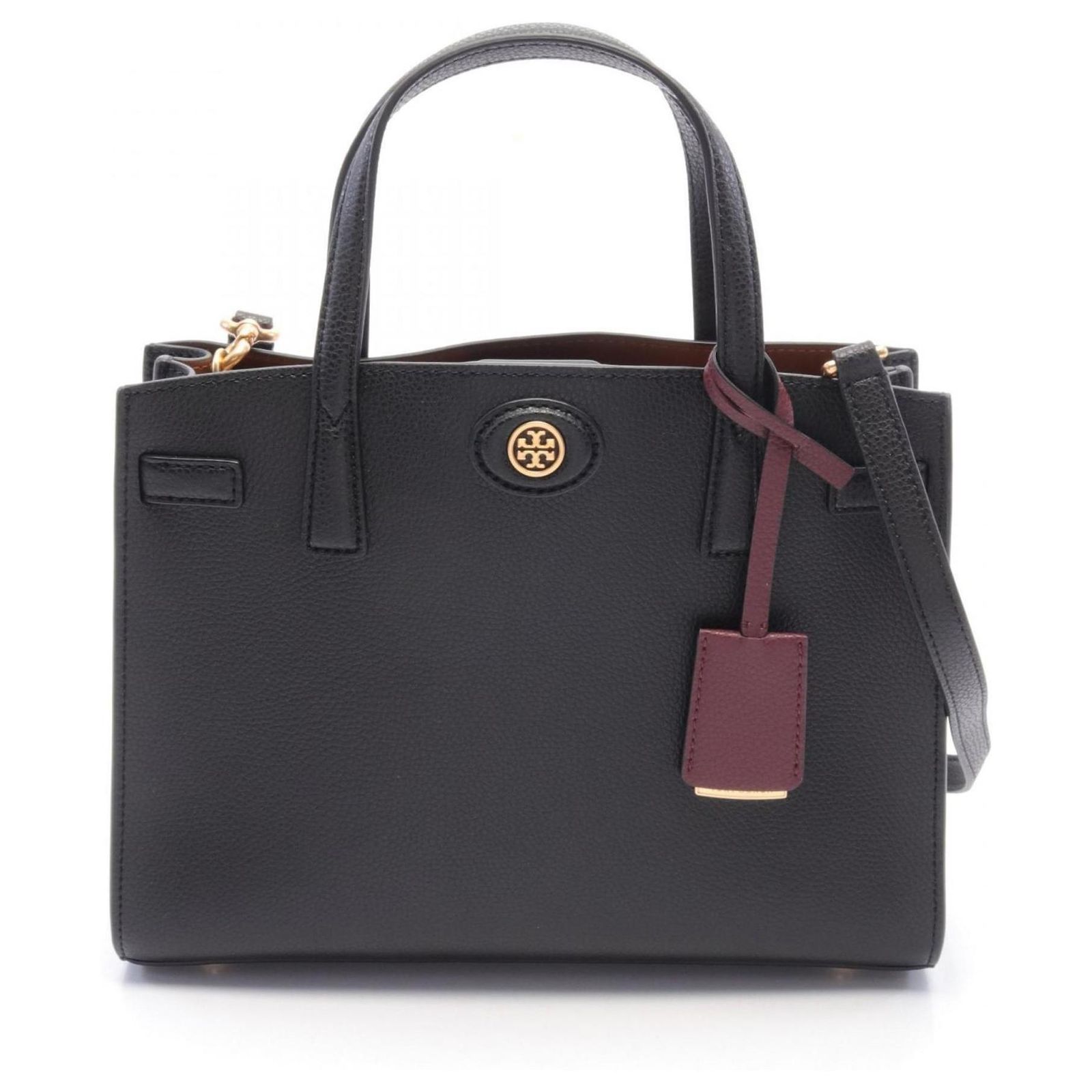
  • Grab Tory Burch Style Tory Burch Robinson Tote

    The Origin of its Tory Burch Logo as well as its Double-T Mark

    Each design house has a symbol that buyers spot before they even see the label, and for Tory Burch this mark is the interlocking Double-T. It has been placed on sandals, tops, bags, and jewelry since Tory Burch’s founding days, quietly working as a design signature as well as a marketing tool. Understanding why this emblem exists, and how it has evolved, gives shoppers a better sense of what they are buying when they choose Tory Burch over other contemporary labels. It’s not simply a logo slapped onto a product for recognition — it embodies a particular design ethos that Tory Burch built her company around. The symbol appears throughout reviews of Tory Burch almost as often as references to fabric or fit, which suggests its importance within the brand identity. This article traces its origins, its meaning, and its practical presence across the current 2026 product lineup.

    Tracing the Double-T’s Roots

    Tory Burch launched her namesake label in February 2004 with a single Manhattan boutique and a small collection of tunics, and the Double-T emblem appeared almost immediately as a way to mark those early pieces as distinct from other contemporary sportswear brands. The two T’s stand for Tory Burch’s initials, mirrored and interlocked so they form a medallion-like shape rather than simple lettering. This decision was deliberate: rather than spelling out the full name across a bag or shoe, Burch wanted a graphic mark that felt more like a piece of jewelry than a corporate stamp. The emblem drew on a mix of influences, including 1970s bohemian design and classic equestrian hardware, both of which show up elsewhere in the brand’s aesthetic. Within the first two years of the company’s existence, the Double-T https://tory-clothing.com/ had migrated from a subtle accent on tunics to a defining feature on the brand’s now-famous Reva ballet flat, released in 2006. That single shoe, with its medallion sitting front and center, is often credited with turning the logo into a recognizable fashion statement worn by millions.

    Our Creative Philosophy Behind the Emblem

    In previous interviews, Tory Burch has remarked about seeking a logo that read as ornamental rather than purely promotional, and the Double-T embodies that instinct. The entwined form, rather than reading as branded lettering, functions much like a decorative accent—similar to a brooch or buckle. Partly for that reason, the symbol tends to appear as hardware instead of printed branding—a metal medallion on a sandal strap, an engraved clasp on a bag, a button detail on tops. The choice to treat the logo as jewelry rather than as branding text also explains why the Double-T works across such a wide range of product categories without feeling repetitive. On tory burch shoes, it often appears as a polished metal accent at the toe or heel. On bags, it often serves as the clasp itself, pulling double service as both form and function. This dual-purpose design is part of why the emblem has stayed fresh over two decades instead of feeling dated as many mid-2000s logos do.

    Two Decades of Change

    The Double-T, since 2004, has evolved rather than stood still. The emblem’s initial versions skewed slightly more ornate, featuring a rounded, almost opulent quality that matched the brand’s initial boho-preppy aesthetic. Over time, particularly after 2015, the logo was streamlined into cleaner, more angular lines to align with a broader turn toward simplicity across the fashion industry. This revised version is the one customers encounter most often in 2026 across tory burch tops, footwear, and accessories. The company has also experimented with color and material variations, offering the emblem in gold-tone, silver-tone, and matte black finishes depending on the collection. Occasionally, limited edition drops reimagine the Double-T in enamel or with embedded stones—though these tend to sell quickly given their limited production runs. If someone is compiling a top 10 tory burch list of iconic products, at least half commonly showcase some version of this emblem, which underscores how central it remains to the brand nearly twenty-two years after launch.
    Today’s Placements of the Emblem

    In 2026, a walk through any Tory Burch collection reveals that the Double-T appears in places that are predictable yet varied. It stands out most prominently on tory sandals, where the logo detail often sits at the front strap as the central feature, a design choice that has remained consistent since the original Reva. When it comes to bags, it typically appears as a turn-lock closure, a understated method of making the hardware practical instead of merely ornamental. Apparel tends to feature the emblem in a more restrained way, often as a button detail, a hem tag, or a small embroidered accent rather than a large graphic. Jewelry items sometimes scale the emblem up into pendant form, transforming the mark into the entire design of a necklace or earring. Because of this variety shoppers can decide how prominent they want the logo to appear, from a large statement medallion to something nearly hidden. This adaptability helps explain why the emblem has continued to resonate across such a wide range of shopper tastes over the years.

    Category Comparison: Where the Logo Lives Most

    If you want to grasp how the Double-T appears in different ways depending on the category you’re browsing, a side-by-side look helps when comparing a few of the label’s main product lines next to one another. The chart that follows summarizes the key traits of the logo appears with the greatest emphasis, based on current 2026 collections.

    Product Type Common Placement of the Emblem Logo Prominence Typical Wear Occasion
    Sandal Styles Medallion on the front strap Very Noticeable Everyday and vacation wear
    Bags Turn-lock hardware detail Medium to High Office bags and crossbody pieces
    Tops Button or hem detail Understated to Noticeable Workwear and everyday layering
    Jewelry Design featured as a pendant or stud Very Prominent Eye-catching accessories

    This kind of comparison is useful when shopping either full-price collections or a Tory Burch sale, since discounted items sometimes come from earlier seasons where the emblem’s styling or location may differ slightly from current stock. Being aware of these differences helps reduce guesswork when browsing older inventory at a tory burch outlet location, where selection often spans multiple past seasons rather than solely current-season pieces.

    Shopping the Emblem Today: Retail, Outlet, and Sale Considerations

    For shoppers hunting for the most attractive deals, the Double-T makes its presence known across each price tier the brand has available, from premium-priced flagship items to clearance items. A tory burch outlet location typically carries past-season styles at lowered prices, and the emblem is generally still visible, though sometimes in a simplified or a touch different finish than the most current seasonal release. During a seasonal tory burch sale, the logo remains a helpful way to check authenticity, since counterfeit products commonly get the proportions or engraving details of the Double-T clearly wrong. In comparing the best of Tory Burch clothing versus footwear for value, tops generally offer a more subtle nod to the logo and can be a more affordable entry point into the brand for first-time shoppers. On the other hand, tory sandals with the medallion prominently placed tend to hold their resale value better, given their status as the brand’s signature product line. Wardrobe-builders building out a wardrobe from nothing frequently start with one splurge item, like a bag or a pair of sandals, before introducing tops and jewelry that carry a smaller, quieter version of the emblem. This layered approach lets people grow a Tory Burch collection bit by bit while still getting recognizable design details at each price point.

    Wrapping Up: the Double-T’s Timeless Appeal

    Well over twenty years after its debut, the Double-T emblem remains one of the more readily recognizable logos in contemporary fashion, chiefly because it was conceived to serve as ornament first and branding second. That distinction has allowed it shift stylistically without losing its core identity, appearing just as naturally on a 2006 Reva flat as it does on tory burch shoes and bags released in 2026. Whether someone is reading a detailed Tory Burch review, comparing options for the best of ToryBurch pieces to own, or simply browsing a sale rack for a good deal, the emblem offers a instant, dependable signal of the brand’s design values. It embodies an origin story built around personal initials transformed into wearable art, and a design philosophy that treated branding as something to be appreciated rather than merely displayed. For long-time fans and new shoppers alike, the Double-T still stands as a uncommon case of a logo that has grown into an icon rather than a relic.
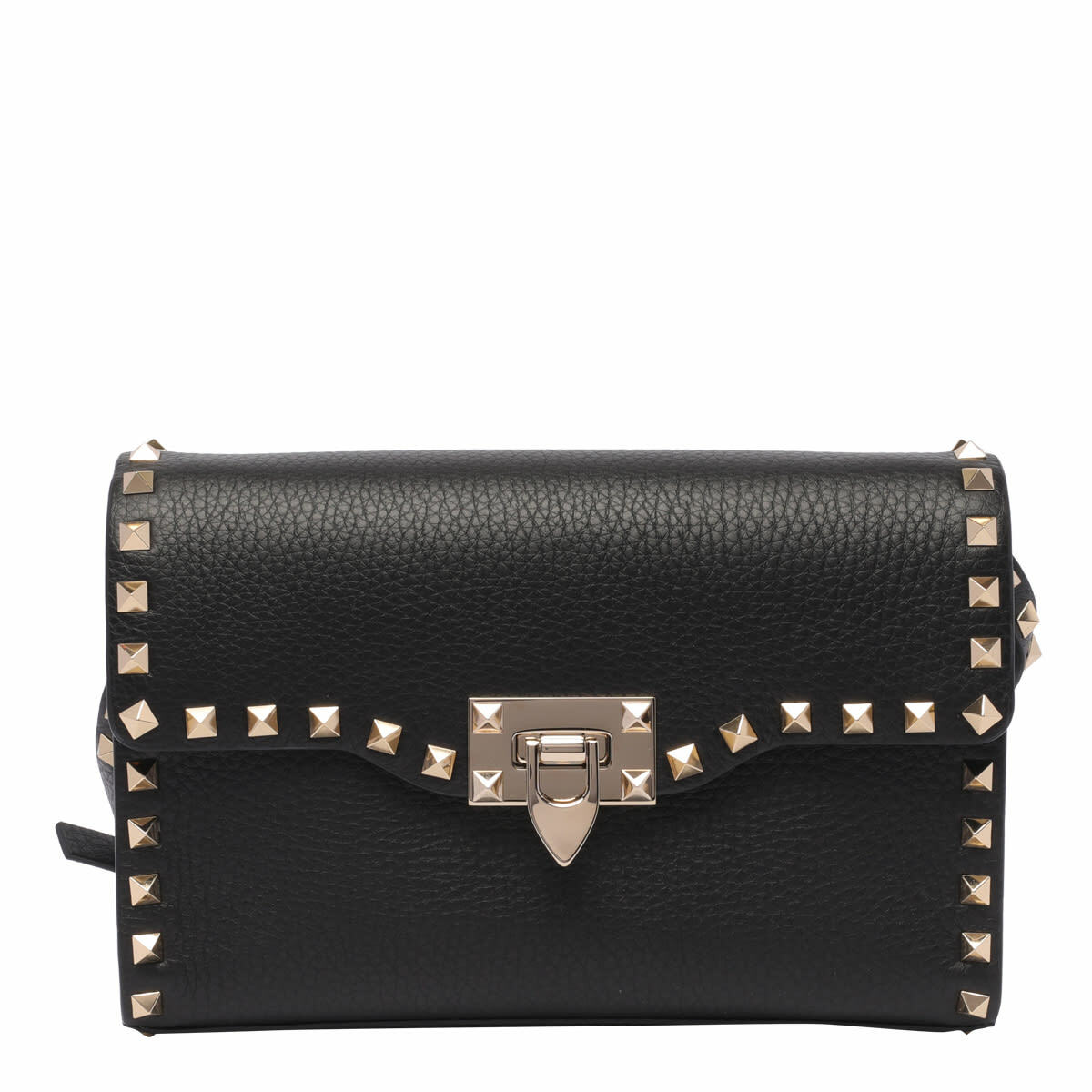

  • Valentino Classic Style Black Leather Finish

    The Rockstud Bag: Origin, Range and Prices

    Set in rows along an edge or strewn across a flap, flat pyramid studs are the most legible signature the house makes. Rockstud is at the same time the broadest and cheapest part of the leather goods collection, with roughly fifty-two pieces live on the brand’s own US site in September 2026. Observed prices go from $1,250 to $2,100, under the evening bags and beneath most of the shoulder lines. That combination is behind why it is usually the first Valentino bag anyone buys. What follows sets out the motif’s origin, the shapes on sale now, the prices observed for each, the ways Rockstud Spike differs, and how the line behaves on resale. Every figure is a market price recorded on the brand’s own webstore rather than an official price list.

    Where the studs began

    The Rockstud motif was introduced in the Fall 2010 collection by Maria Grazia Chiuri and Pierpaolo Piccioli, then co-creative directors, and it appeared first on footwear. The source cited for it is Roman bugnato rustication, the faceted projecting stonework carried by Renaissance palazzo facades in the city where the house was founded in 1960. That accounts for the stud itself: a flat-topped, shallow four-sided pyramid, nearer masonry than punk hardware. The founder, Valentino Garavani, had sold the company in 1998 and retired from design in 2007; he died on 19 January 2026. The motif belongs, then, wholly to the designers who followed him. The often-repeated claim that the Rockstud bag launched in 2016 rests on a single source and should not be treated as established.

    The shapes you will actually meet

    Rockstud is a motif covering a family of shapes, not a single bag. On the product pages, size and function do the naming instead of by model number. It comes down to four: a mini shopping tote, a small crossbody, a small shoulder bag, and wallets and small leather goods. Sizes are quoted as small and mini throughout, so the line skews compact even where the word shopping appears. Most of the gap between two otherwise identical bags is material and hardware finish. Everything here is made in Italy, a point the brand states on its own product pages.

    Mini shopping tote

    The cheapest genuine entry — and the most practical Valentino tote bag at valentino leather shoulder bag this price. It was seen at $1,390 in grainy calfskin or suede, at $1,490 in raffia, at $1,750 in laminated calfskin and at $1,850 in pony-effect calfskin. What drives the spread is finish rather than construction — more money buys a surface, not extra capability. The durable default is grainy calfskin; raffia is seasonal and more delicate; laminated and pony-effect finishes are the ones that scuff. As a mini, it holds a phone, a small wallet and keys — and not a working day’s contents. Anyone needing a full-size shopper should look at VLogo Signature shopping bags, observed between $2,650 and $3,750.

    Crossbody, shoulder and the chain wallet

    Carrying the line is the small crossbody, observed at $1,650 to $1,950 in grainy calfskin and at $1,790 in laminated calfskin. The lowest-cost wearable entry is a laminated calfskin wallet at $1,250, which doubles as a chain wallet. At the top of the standard range is the small shoulder bag: $1,950 in suede, $2,100 in grainy calfskin. One oddity deserves a mention: the brand’s own US site has no crossbody category page at all. Shoulder bags, totes, top handle bags, clutches, wallets and small leather goods constitute the bag navigation, leaving a Valentino crossbody bag to be found under shoulder bags there — though major retailers keep dedicated crossbody pages. Most of these styles ship with a removable, adjustable strap and work either way.

    Rockstud Spike, quilted and dearer

    Rockstud Spike is a separate line rather than a variant, and it costs substantially more. Prices observed run $2,400 for a crossbody clutch up to $3,700 for a medium embroidered nappa piece. What separates it is quilting and a chain, with the studs set into the quilted surface instead of lined along an edge. Material drives the price here as well: $2,550 for small suede, $2,800 for small nappa, $2,950 for medium kidskin, $2,750 to $3,200 for medium suede and $3,500 for medium nappa. It works as an evening bag in a way the standard Rockstud does not, sitting nearer the Locò and VSling families. After the studs with a chain strap and a softer body? This is the line.

    Prices as observed in 2026

    The table gathers the observed prices referenced above into one place. These were seen on the brand’s own US webstore in September 2026 and are a market snapshot, not an official price list. Two patterns are worth flagging. First, standard Rockstud occupies a narrow band from $1,250 to $2,100 and never reaches the house’s top tier, where embroidery, crystals and exotic skins push bags past $7,000. Second, Rockstud Spike begins roughly where standard Rockstud finishes, so the two barely overlap. The house does run official seasonal sales on its own site, and as of September 2026 the US sale page states that the Spring/Summer 2026 sale has ended, so a Valentino bag sale is a periodic event rather than a permanent condition.

    Piece Finish Observed market price, 2026
    Rockstud chain wallet Laminated calfskin $1,250
    Rockstud mini shopping Grainy calfskin or suede Observed at $1,390
    Rockstud mini shopping Raffia Observed at $1,490
    Rockstud small crossbody Grainy calfskin $1,650 to $1,950
    Rockstud mini shopping Pony-effect calfskin Observed at $1,850
    Rockstud small shoulder Grainy calfskin $2,100 observed
    Rockstud Spike medium Embroidered nappa Observed at $3,700

    Materials, hardware, upkeep

    Across the family, nappa, grainy calfskin, laminated grainy calfskin, suede, kidskin and pony-effect calfskin are the leathers observed, with raffia appearing on seasonal pieces. On current stock the hardware finishes recorded are antique brass, light gold and a platinum-toned metallic. Uniform pyramid studs, evenly spaced and firmly seated, engraved rather than printed logos, and squared zip pulls with deep engraving mark a genuine piece. The interior tag carries VALENTINO and GARAVANI in capitals with MADE IN ITALY, sewn on all four sides, and that surname is required by a 1979 coexistence agreement with the unrelated Naples company Mario Valentino. Usually a serial number sits on a tag inside an interior pocket, but not every bag carries one and older pieces may have none at all, so its absence proves nothing — and there is no date-code system to decode. Day-to-day care follows general luxury-leather practice rather than official instruction from the house.

    • Grainy calfskin and nappa: wipe with a dry cloth, feed with nappa cream, blot stains, air dry away from heat.
    • Suede and kidskin: brush dry and spray with protector; water and oils stay off.
    • Laminated and pony-effect finishes: abrasion is the enemy, because the coating fails first.
    • Storage: dust bag, stuffed with tissue, kept cool, dry and out of sunlight.

    What it does on resale

    Rockstud is the part of the collection that resale data rewards, although the numbers describe market behaviour rather than an investment case. On Rebag’s figures, measured in 2023, average retention for Valentino handbags is around 41 per cent, and several Rockstud shapes sit above the average. House-wide, the pattern is consistent, with immediately legible motifs holding value and plain bags falling away. One single-source data point has a medium Rockstud Spike trading around $1,700 against roughly $2,900 new, close to sixty per cent. The pre-owned inventory at one aggregator runs $54 to $6,300, averaging near $817. Fashionphile, The RealReal, Rebag, Vestiaire Collective and 1stDibs all carry it, so checking the tracked retention figures below takes very little time.

    1. Rockstud drawstring bucket: 56 per cent of original price.
    2. Rockstud flip lock flap, likewise 56 per cent.
    3. Rockstud pouch crossbody, 50 per cent of original price.
    4. Valentino handbags overall, measured in 2023, 41 per cent.

    Is it worth it for you?

    The Rockstud makes its case on three practical grounds rather than on prestige. It is the cheapest way into the house’s leather goods in a real bag shape, the most recognisable thing the brand makes, and it resells above the house average. Set against that, the studs date a bag to a specific design era, the mini sizes really are small, and the delicate finishes ask for care. For a single bag in daily use, the sensible choice is the small crossbody or the small shoulder bag in grainy calfskin. Evenings call for Rockstud Spike instead, at roughly a thousand dollars more. Purchase through the house’s own boutiques and webstore, or through named authorised retailers such as Neiman Marcus, Saks Fifth Avenue, Nordstrom or Mytheresa, checking the interior tag first.

  • Ferragamo Premium Handle Bag Ferragamo Official

    Authenticating a Ferragamo Bag

    Begin with the central fact in this checklist: Ferragamo publishes no authentication guide of its own. Nowhere does an official page state where to find a serial number, what a date code looks like, or what an authenticity card should contain. Resale and consignment blogs, not the house, are the source of almost everything you read online about authenticating a Ferragamo bag, and that distinction carries into every step below. The list keeps verified facts and third-party consensus strictly apart, so you always know which kind of evidence you are leaning on. A signal counts as verified when it has been observed on the brand’s own bag pages or stated by the company, and as consensus when sellers and collectors repeat it without the brand ever confirming it. Work through all of it before you buy, since no single item is decisive alone.

    The verified column and the consensus column

    The list of verified facts is short, and learning it should come first. On the brand’s webstore, every current bag page sets out a two-part product code made of a style code plus a variant code, for example 215975 768853 for the Hug XS. What the code identifies is a model and a colourway; it is not unique to an individual bag, and it is not verified that the same digits appear stamped inside the bag. Repair Services are also offered by the company for a selection of authentic products, requested at selected stores with proof of purchase and valid regardless of where the bag was bought. Its only stated authenticity guidance is simply this: buy from its own website or from authorised stores and distributors. Everything else you read about codes, cards and stamped numbers belongs in the consensus column, which the table sorts out.

    The signal Evidence status What it can tell you
    The two-part product code Verified on the brand’s own bag pages Identifies model and colour, not one bag
    Serial number, date code and card Third-party consensus only; no brand guide exists A cross-check at most, and never proof
    Stamping and spelling on the interior tag Community consensus only Catches crude fakes; clean stamping proves little
    Gancini hardware casting ferragamo crossbody bag and weight Consensus among sellers Poor alloy tends to give itself away by hand
    Stitching and leather hand-feel Community consensus Best judged next to a genuine bag
    White dust bag, red drawstring Consensus, nothing more Easily replicated and easily separated
    Repair Services offered at selected stores Verified official programme Nearest brand touchpoint, not a verdict

    1. Deal with the channel before any inspection

    Authentication is really two tasks, and people conflate them constantly. The first is buying safely, and that is solved overwhelmingly by channel rather than by inspection. Second is the bag already in front of you, where the soft signals enter and where certainty is genuinely hard to reach. If your situation is the first, the brand’s own guidance settles it, because buying through its website or an authorised store or distributor means the question never arises. Recommended retail is held by authorised department stores, which makes a current-season price in line with the brand’s observed 2026 market prices a good sign rather than a missed bargain. It is only pre-owned buying, or checking a gift, that renders the rest of this checklist necessary.

    2. Read the two-part product code, and its limits

    The brand actually publishes one number, and this is it, so use it well. On current bag pages the code appears in two blocks, a style code and a variant code, specific to both the model and the colour. One job is what it does well: checking that a listing’s photographs, name, colour and material describe the product the quoted code refers to. A mismatch between the quoted code and the bag pictured is a real warning. The code cannot identify an individual bag, because it is not unit-specific, and it is not verified that identical digits appear stamped anywhere inside the product. Read a matching code as consistency alone, never as proof.

    3. Serial numbers, date codes and cards: third-party claims, not brand facts

    Most guides go wrong at this step, which is why it deserves plain language. It is widely stated online that Ferragamo bags carry serial numbers, that the practice began in the 1980s, that the number sits on an interior leather tag, and that it should match a holographic figure on a card. The brand publishes and confirms none of it; it is third-party consensus assembled by resale sellers over years of handling stock. That does not make it worthless, because experienced sellers see far more bags than any individual buyer ever will. The consequence is that it cannot be cited as a rule, and a missing card or an unfamiliar number format is not proof that a bag is fake. Weigh these claims as informed opinion, and never as brand-published specification.

    4. Inspect the leather tag inside

    Community consensus begins at the interior tag, and that is the first place an experienced eye goes. Crispness of the stamping, evenness of impression depth across the whole word, and consistency of character spacing are what buyers study. Spelling is checked letter by letter, because crude counterfeits still produce misspellings, and the name is often mistyped even in honest listings as feragamo or ferragammo. Brand-published guidance this is not: it is accumulated seller experience, and a good counterfeit defeats it. Its value is negative rather than positive: sloppy stamping strongly suggests a problem, while perfect stamping proves very little. Photograph the tag straight on in daylight if you are assessing a bag remotely.

    5. Put your hands on the Gancini and Gancio hardware

    Hardware is the second consensus signal, and it is the one that repays handling most. First seen publicly in a 1972 trade-press photograph of a Ferragamo bag with a hook-shaped metal closure, the hook motif carries two spellings that are both the brand’s own: current copy describes golden Gancio buckles on the Hug XS and an iconic Gancini closure on the Cara. Clean edges and well-defined curves are what collectors want to see in the casting, and they weigh the fittings in the hand, because cheap alloys often feel light for their size. Finishes on current bags are mostly gold-tone, with silver-tone on selected pieces, and since all plating wears, patina alone tells you nothing. This too is community consensus rather than brand instruction. Deploy it against obvious failures; certifying a bag is beyond it.

    6. Work through the stitching, the leather and the packaging

    Of all the checks, construction is the hardest to describe and the most useful after you have handled a few bags. What sellers look for is constant stitch length along a seam, thread tension that does not pucker the leather, and corners that turn cleanly rather than bunching. Judgement of leather comes down to hand-feel, and the officially listed range runs to calfskin in smooth and grained or hammered finishes, plus suede, python, wicker with silk lining, raffia, canvas and jacquard, while every bag page carries a Made in Italy marking. The weakest signal is packaging: the community associates the white dust bag with a red drawstring with the house, yet dust bags get separated from bags, sold alone, and easily reproduced. Counterfeits arrive in correct dust bags often enough that the pouch should not move your assessment far. Weigh the bag itself, and never let a pristine pouch trump crooked stitching.

    7. Treat Repair Services as the nearest official touchpoint

    No authentication desk exists, but one place does put a Ferragamo bag in front of the company in person. The brand provides Repair Services for a selection of authentic products, requested at selected stores with proof of purchase, and states that it applies regardless of where or how the bag was bought. What that is, is a repair programme rather than an authentication service, and no certificate or opinion will be handed over on request. Even so, nothing comes closer to an official in-person touchpoint, since accepted products must be authentic and trained staff handle the item. Initials personalisation is also offered by the same boutiques in selected locations. Set expectations accordingly: you get a repair assessment, not a verdict.

    The limits of the checklist

    No item in the consensus column proves a bag fake by itself, and none proves it genuine, because these signals only compound. Where doubt persists once the list is done, a better channel resolves it more safely than any sharper inspection. Some context helps as well. Since late September 2022 the label has been styled simply Ferragamo, a custom serif logo having replaced the founder’s script, while the listed company is still Salvatore Ferragamo S.p.A. Because resale platforms never followed the rebrand, a search for a salvatore bag, salvatore bags, or the misspelling feragamo bag returns the same inventory as ferragamo bags. The company documents real counterfeit pressure, reporting for 2022 alone 107 fraudulent websites removed, more than 89,000 counterfeit listings taken down and over 90,000 counterfeit products seized worldwide. No official online outlet exists, which means any site presenting itself as a discounted official Ferragamo shop is structurally not the brand, whatever its photography suggests.

  • Skate Culture Pieces Same Day Ship

    Palm Angels Fashion Gift Ideas for Street Style Aficionados

    Finding the perfect offering for someone who is obsessed with streetwear can feel like wading through a labyrinth of hyped-up product drops, exclusives, and highly subjective taste. Nail it and you turn into the gift-giving hero of their squad. Get it wrong and that carefully chosen gift collects dust in a shelf. Palm Angels holds a particularly giftable place in the luxury streetwear world because it blends recognizable branding with practical design—receivers right away know they are looking at something luxurious, and the products integrate into most pre-built closets. Created in 2015 by Francesco Ragazzi, the house is inspired by Los Angeles skateboarding culture and Milanese fashion expertise to make clothing that connects with everyone from college students to experienced fashion veterans. This resource spans every price range and assists you select Palm Angels products that will really wow the streetwear aficionado in your life heading into 2026.

    Why Palm Angels Makes an Superb Offering

    Not every luxury streetwear brand translates well into present territory. Some are too specialized, others too divisive, and many lack the breadth of budget options necessary for various financial situations. Palm Angels delivers for multiple factors. Name recognition is remarkably high—according to the Lyst Index, the brand has appeared among the top 20 most in-demand brands around the world since 2022, breaking into the top 15 in late 2025. The catalog extends from add-ons under $200 to headline jackets above $2,000, offering buyers meaningful room to maneuver. The design language resonates across niches: skate, hip-hop culture, understated elegance, or bold mix-and-match dressing all locate something in the range. Build quality and Italian construction justify check palmangelspants.com the price, with garments enduring to frequent wear. Before selecting a particular gift, consider what the individual actually gravitates toward. Do they gravitate to eye-catching artwork or discreet tonal branding? Browse their feeds or take note during your interactions—this detective work makes a difference immensely.

    Gift Ideas Under $300

    The under-$300 bracket presents some of the most present-friendly options—goods that feel luxurious without involving a big monetary spend. The Palm Angels logo baseball cap at $195-$245 is one of the brand’s best-selling accessories and is available in numerous current tones, making it an perfect gateway. Phone cases featuring the palm logo or bold text range from $75 to $120, contributing daily-use designer flair. Socks in logo-banded packs of two or three sit around $80-$120 and have evolved into a genuine wave in high-end gifting. Beanies for winter land at $145-$195 with excellent knit build comparable to mainline knitted garments. Mini leather goods like cardholders and keychains cap off this tier, presenting everyday luxury appreciated every solitary day. These goods bypass the largest pitfall in fashion gift-giving—getting the incorrect size—since most are one-size-fits-all.

    Budget-Friendly Choices at a Glance

    Item Price Range (USD) Best For Risk Level
    Logo Baseball Cap $195 – $245 Casual wearers, accessory lovers Low
    Phone Case $75 – $120 Tech-savvy recipients Very Low
    Logo Socks (2-3 pack) $80 – $120 Stocking stuffers, fun add-ons Very Low
    Knit Beanie $145 – $195 Cold-weather dressers Low
    Leather Cardholder $175 – $250 Minimalist wallet users Low

    These function particularly well as birthday gifts, Christmas gifts, or “spontaneous” buys conveying you pay attention to someone’s interests. The minor probability of error level across the board means you are not going to miss the mark on sizing, shade choice, or individual style. Non-clothing items also bypass the largest challenge in fashion gifting—size mismatch risk—since caps are one-size, phone cases are device-specific, and leather goods are one-size. If you are looking to inject additional personalization, match two items from this tier together, such as a cap and a cardholder, for a curated pairing that feels more thoughtful than a solitary product.

    Present Ideas from $300 to $700

    This mid-tier tier is where Palm Angels’ central spirit is on full display and the perfect range for giving to someone who already understands streetwear. The beloved branded t-shirt at $295-$395 is arguably the brand’s most signature product—a tee showcasing the bear logo, palm motif, or rotating art serves as both regular rotation and a collectible preserving trade-in value. Hoodies in the $395-$595 range bring impressive gifting gravitas in the brand’s renowned dense cotton fleece that feels appreciably separate from mass-market options. Sweatpants at $350-$495 finish the home-to-street look. For quiet luxury fans, the tonal logo crewneck at $395-$495 serves up the Palm Angels essence without in-your-face branding. This tier is optimal for special celebrations—relationship milestones, commencements, or meaningful holidays where you desire long-term effect.

    Sizing Advice for Fashion Gifts

    Purchasing clothing always carries size-mismatch risk, and Palm Angels’ Italian sizing can be difficult to navigate. The label mostly runs in line with Italian sizing, feeling somewhat fitted compared to American norms—many wearers size up for a easy streetwear fit. A medium in Balenciaga or Off-White commonly aligns with a medium in Palm Angels. The 2025-2026 ranges have grown a bit roomier echoing the easy proportion direction. When ordering from SSENSE or the Palm Angels website, reference full size charts with chest measurement, body length, and arm measurements. If hesitant, include a return receipt—most designer stores offer 14-30 day refund periods giving receivers room to trade.

    Luxury Offerings Above $700

    When the milestone demands something absolutely memorable, Palm Angels’ prestige items provide the impact. Bomber jackets at $895-$1,400 boast stitched motifs, premium leather finishing, and limited prints. The leather jacket at $1,800-$2,500 constitutes wearable art held for years. Full tracksuit sets totaling $800-$1,200 deliver instant complete looks. Collab pieces like Moncler x Palm Angels offer both aesthetic and collector’s value. At this budget, unboxing experience counts—Palm Angels packages in luxury boxes with premium wrap and branded stickers. Amplify further with a personally written note detailing why you chose that gift, pointing to something the recipient has sported. Some retailers feature premium gift packaging that provides event to the unwrapping. Think about matching the main gift with a petite accessory from the under-$300 tier for thoughtful presentation.

    Where to Browse and Ensure Legitimacy

    Palm Angels’ demand has spawned a shadow knockoff trade, making buying origin extremely important. Always shop from authorized channels: the main Palm Angels website, established department stores like Selfridges or Nordstrom, and reputable platforms like SSENSE, Farfetch, and END Clothing. These ensure genuine product and provide easy returns necessary for gifts. For aftermarket transactions, go with platforms with authentication services—Vestiaire Collective offers dedicated verification, and Grailed has user-based authentication bolstered by AI. Indicators of fakes include prices significantly under market value, sparse transaction history, and fuzzy listings. Original pieces display consistent seams, precisely displayed fonts, and particular internal label design that knockoffs typically get off. If possible, check the product against pictures on the official Palm Angels site before buying from any outside source.

    Gift Timing and Strategic Game Plan

    When you purchase matters almost as much as what you buy. End-of-season sales in January and June-July feature 20-40% discounts on older items that stay completely relevant. New drops appear in February-March for Spring/Summer and September-October for Fall/Winter, ensuring the person you’re gifting get the most current designs. For Christmas gifting, shopping in early November dodges postal slowdowns and sold-out issues—bestselling products in common sizes commonly go out of stock by mid-December. Black Friday offers from third-party stores on occasion extend to Palm Angels. Planning around these cycles guarantees the strongest assortment, strongest price, and confidence that your gift gets there on time. Giving Palm Angels to a urban style lover is one of the most dependable ways to show you appreciate their obsession, and the label’s cultural impact in 2026 ensures whatever you choose will be dressed in, appreciated, and very surely shared within no time of unboxing.

  • Full Zip Hoodie Range New Cut

    From Show to Street: How Rick Owens Fashion Went Mainstream

    Picture, if you will, a less frenzied era, before the oversized hoodie became the unofficial uniform of every artsy neighborhood. For years on end, Rick Owens was a name traded among those in the know, name-checked to signal you grasped where true style resided. By 2026, his imprint are impossible to miss — you can’t move through Paris, Los Angeles, or Seoul without spotting them on a stranger. How, then, did a label steeped in gothic drama, draped jersey, and uncompromising darkness enter the mainstream conversation? This is a genuinely compelling story about taste trickling down, and I would love to unpack it with you. Settle in with a coffee, because the journey from show-stopping shock to sidewalk staple is full of surprises.

    The Early Days Few Remember

    Owens got his start quietly, stitching garments in 1990s Los Angeles long before Paris ever knew who he was. Fans would later dub it “glunge” — that lived-in, grunge-meets-glamour energy that made his first pieces so strange yet so beautiful. The wider industry at last sat up when he won the CFDA Perry Ellis emerging talent award in 2002. He then packed up and moved his entire operation to Paris, where the avant-garde tradition afforded him space to push further. The price tags and the intensity kept the brand firmly in niche territory for ages. You had to seek it out, and that exclusivity Rick Owens EU was half the appeal. Honestly, it was that scarcity that made the eventual crossover feel so seismic.

    The Hoodie That Changed Everything

    The gateway drug for most newcomers was not a 4,000 dollar leather jacket, and this is where it gets interesting. Rather, it was the modest Rick Owens hoodie — namely the heavyweight DRKSHDW versions, approachable yet still radically cut. Next to runway pieces that cost ten times more, a 400 dollar hoodie suddenly looked reasonable. People who could never justify a draped cocoon coat could justify one elevated sweatshirt with that dropped shoulder and lengthened hem. This was the genius of the diffusion line, which Owens launched to let curious shoppers in without diluting the main collection. By the late 2010s, the DRKSHDW hoodie had become a genuine status object on streetwear forums. The floodgates opened from there, in a way nobody quite planned.

    The Figures Behind the Surge

    The growth here is jaw-dropping once you map it out, and I love a good data point. Industry figures suggest the brand’s annual revenue climbed past 200 million USD as the streetwear wave reached its height. Through the early 2020s, the resale market saw Rick Owens listings climbing double-digit percentages annually. Search interest for terms like “rick owens fashion” reportedly increased several times over between 2015 and 2022. Once a cult object, the Geobasket sneaker started routinely reselling above its 1,200 dollar retail. These days, even a well-timed Rick Owens sale at a major retailer triggers genuine online frenzies. These numbers chart the rise of a niche label that quietly became a commercial powerhouse.

    Collaborations That Built the Bridge

    The partnerships that introduced Owens to entirely new audiences deserve real credit in any account of this crossover. The years-long collaboration with a major sportswear giant put his brutalist aesthetic on accessible, widely distributed sneakers and apparel. A teenager who had never heard the name was suddenly wearing his silhouette to school. These collaborations did something clever; they translated his ideas into a vocabulary the mainstream already understood. A bulky, exaggerated sneaker felt familiar even when it carried his unmistakable distortion. Every release sold out quickly and generated the kind of buzz you can’t buy. Bit by bit, these bridges carried his vision from the Paris runway straight onto the sidewalk.

    When the Look Went Global

    What truly sealed the mainstream moment was seeing the aesthetic everywhere, worn by people who put their own spin on it. Musicians, athletes, and actors embraced the dark palette and draped layers, giving it cultural heft well beyond fashion circles. Online, the “goth ninja” and “techwear” communities turned his proportions into both a shared vocabulary and a lifestyle. Images of fans head-to-toe in black, layered and stacked, poured across social platforms and sparked countless imitators. This grassroots momentum meant more than any single celebrity co-sign, because it rang true. His ideas anchored real wardrobes built by real people. The truest mark of a brand that has gone genuinely mainstream is that organic spread.

    Mainstream Prices, Then and Now

    Allow me to frame the accessibility shift in concrete terms, because pricing tells its own story. As the brand scaled, the diffusion line handed newcomers a real entry point while the main line held its luxury position. The table below compares typical entry points across the catalog so you can see where the doors opened. These are approximate 2026 figures and shift with each season and any Rick Owens sale activity. The DRKSHDW line sits at a fraction of the main collection, as you’ll notice. That very gap is the ramp that pulled so many people in.

    Item Line Approx. Price (USD) Accessibility
    DRKSHDW hoodie Diffusion 350 – 590 Entry
    DRKSHDW high-top Diffusion 500 – 700 Entry
    Geobasket sneaker Main 1,100 – 1,400 Mid
    Draped jersey top Main 490 – 950 Mid
    Leather biker jacket Main 2,800 – 4,500 Premium

    What Mainstream Acceptance Did to the Brand

    Going mainstream is a double-edged sword — something the fanbase argues over endlessly. On the one hand, broader reach lets more people experience clothing that really does feel different from everything else out there. Some longtime devotees, conversely, worry that the aura of exclusivity has faded as the look proliferated. Even as commerce booms, Owens has managed it deftly, keeping his runway shows bold and conceptual. The diffusion line meets the demand while the main collection shields the creative heart. It is a balancing act, and so far he has walked the line with real intention. You can dig deeper into his philosophy in coverage at Vogue.

    How Social Media Helped

    Social platforms accelerated everything, so I cannot finish this story without giving them their proper credit. As fit pictures and outfit grids became an everyday online ritual, the layered all-black look came across remarkably well in photos. The powerful silhouettes registered clearly even on a tiny phone screen, which handed the aesthetic a built-in edge. Shopping turned communal as communities formed around sharing styling tips, sourcing advice, and Rick Owens sale alerts. Across the major platforms, hashtags tied to the brand drew hundreds of millions of views. Overnight, a single viral fit picture could send newcomers searching for their first piece. In a very real sense, the algorithm became an unpaid ambassador for the house.

    Where Things Stand in 2026

    So where does all of this leave us today, with the brand now stitched into the cultural fabric? At once a serious avant-garde force and a recognizable street reference, Rick Owens has done something few manage. While a new generation comes to the gateway hoodie, the 2026 collections continue to push silhouette and material. If you’re only now stepping in, ease in, look out for a Rick Owens sale, and let the aesthetic show you the way over time. The writers at Hypebeast stay on top of every release if you want ongoing analysis of how the brand keeps evolving. In the end, the runway-to-street journey is a story about how genuine vision eventually finds its audience. And honestly, that is a story worth telling again and again.

  • Desto Dubb Zip Up Design Just Restocked

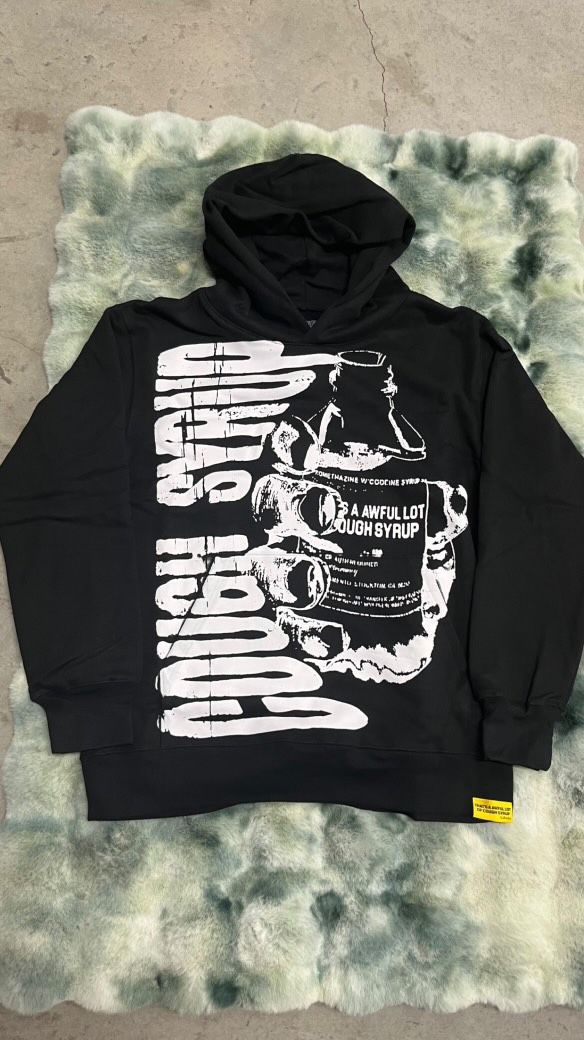
    Awful Lotta Cough Syrup: 2025 Purchase Manual to Launch and Sizing

    This manual provides you the actionable framework to acquire Awful Lotta Cough Syrup in twenty twenty-five while get your measurements correct the first go. It prioritizes how the brand actually drops product and how its measurements function across pullovers, tops, and bottoms.

    alocs sits in that space where bold graphics, skate energy, and edgy comedy meet scarcity. The label leans into exclusive launches that sell quickly and frames silhouettes with boxy shirts, oversized sleeves, and statement prints. Your presence indicates missing your opportunity for a drop stings, plus because refunds regarding limited capsules typically remain restricted or impossible, and this makes size precision essential. The safest way to win both style and comfort is to anchor the choice to concrete dimensions, not lettered sizes, and plan around the manner heavyweight fabrics hang and wash. The handbook merges those realities through a method you can repeat every drop.

    What defines alocs in 2025?

    alocs is a design-led urban brand with a rebellious, underground spirit, communicated through limited drops that create urgency. These cuts lean oversized to boxy, with prints and slogans designed to be visible from across the distance.

    The brand’s appeal blends rarity plus anti-mainstream aesthetics, akin in spirit to labels like Brain Dead, Stussy, and Sp5der, but with its own humor and visual vocabulary. Releases generally focus around hoodies, tees, and add-ons, including occasional seasonal items which riff on nostalgia and subculture cues. Excitement grows through scarcity and the sense that that’s a awful lot of cough syrup shirt each capsule is a small cultural moment instead than a replenished catalog. Among purchasers, it means you choose quickly, you verify sizing before launch, and anticipate when sellouts on trending colors and graphics. Treat the product as wearable artwork featuring utility-level durability and you’ll approach purchases through the right expectations.

    How launches actually work

    Drops are limited in volume, revealed close to release, and often sell through rapidly. This label shares via social channels and storefront updates, and restocks are infrequent against to the first release.

    Actually, each drop window opens, traffic spikes, and sizes with the broadest demand go first. Prepare for time pressure, potential queueing, and rigid basket timers—common protections within urban commerce. Ready your details in beforehand, confirm your target size, and have a backup option colorway if the first gets clipped fast. If a drop uses raffle or queue-based mechanics, stick to your chosen strategy and focus instead of than splitting focus between. If a particular graphic becomes main focus of the drop, expect resale will focus here and plan accordingly if you prefer to avoid second-market markups.

    Measurement approach: begin with measurements, not letters

    The safest way to choose alocs sizes is to measure a garment you already love and match those numbers. Sizes differ across brand and shape, yet tape-measure data cannot lie.

    Position your favorite sweatshirt, shirt, or pair of pants flat and capture key points: chest measurement, torso length, shoulder width, sleeve length for shirts, plus waist, rise, inseam, and thigh on pants. Align those measurements to the item specifications provided on the product page if accessible; when not, use the measurement map below to establish what you might adjust and what stays fixed. Emphasize shoulder dimension and chest dimension across hoodies and tops as they govern mobility and how the piece rests on your physique. With trousers, waist system plus rise dictate comfort far more than tagged measurements exclusively. Should you fall between sizes, decide whether you desire a clean, truer form or a drapier, skate-informed shape, then size accordingly.

    Body Area Your Body Measurement Piece Specification to Compare How to Measure on Clothing Wear Consequence if Off
    Chest Full chest at nipples, relaxed Armpit to armpit Flat, underarm seam to seam Tight measurement constrains breath and print warps; too large billows and loses structure
    Trunk Measurement Torso length preference Top of shoulder to lower seam Start at collar seam directly downward Too short crops unintentionally; too extended destroys boxy proportion
    Shoulders Shoulder point to point across back Shoulder stitching to stitching Level across the back of piece Too narrow pinches; too extended hangs past delts
    Sleeve Limb span bent at right angle Shoulder seam to cuff Follow sleeve seam to conclusion of cuff Brief sleeves exposes wrists; oversized sleeves stacks over palms
    Waist Natural waist at navel Laid-flat waist width Border to edge across waist construction Constricting fit digs when positioned; large loose relies on drawcords
    Rise Vertical rise comfort sitting Crotch construction to top of waist Track upward at front Too low pulls when bending; too high bunches
    Inseam Inside leg to desired break Crotch seam to hem Interior stitching straight to bottom Undersized leg sits high; oversized inseam stacks or trails
    Thigh Maximum thigh circumference Leg width 1″ below crotch Through leg panel, flat Too slim restricts stride; broad leg loses taper

    Sweatshirts plus crews: dialing in the boxy-drip silhouette

    Anticipate a boxy torso featuring roomy sleeves that create volume without feeling unkempt. If you like structure with the graphic sitting flat, align your chest and shoulder dimensions closely.

    For a clean boxy look, aim for a pit-to-pit that spans 5 to 7 percent above your actual chest spec and a shoulder measurement that lands directly on your acromion positions. If you want skate-level drape, expand chest width to roughly 8 to 12 percent over your body and embrace a small shoulder fall so the arm opening breaks lower on the arm. Pay attention to body length since numerous boxy cuts trim the hem slightly for balancing width; if your torso features a longer trunk, confirming adequate length will keep the hoodie from riding up over base garments. Thick fleece retains shape but can feel tighter below the arms on initial use, so those between sizes who plan on layering over tees ought to lean up for movement. Artwork positioned across the chest sit best when cloth isn’t stretched taut, which is another motivation to avoid undersizing.

    Shirts: collar, body length, plus graphic placement

    alocs tees lean into strong graphics, making the goal is front width that won’t warp the print and proper length that lands at mid-fly or slightly over. When the neckline opening is excessively narrow or too broad, the entire proportion looks incorrect—regardless when the trunk aligns.

    Begin by aligning pit-to-pit to your favorite tee within one centimeter range and ensure that body length matches with where you prefer the hem to rest over your pants waistline. Somewhat denser rib on the collar reads vintage while maintaining shape better, which pairs well with angular cuts; size up exclusively when the collar still sits flat and doesn’t flare. When you want a brief, expanded silhouette, keep measurement and reduce length by choosing a boxy fit in your true size rather than sizing up, which can add length you don’t want. Designed garments should be cleaned inside out in cold water to protect graphic quality and prevent minor fading at the graphic borders. If you layer tees under pullovers, ensure sleeve length passes the hoodie cuff without bunching so you don’t stack unintended bulk at the wrist.

    Trousers and shorts: waist mechanics, rise, and stacking

    Focus on the waist system and rise before leg length, since comfort and silhouette start at the waist area. Adjustable or elastic waists accommodate mid-size swings; fixed waistbands need precise measurements.

    Determine your anatomical waist and compare flat measurements to your best-fitting pair, then match rise to how you style your tops. A higher rise pairs well with boxy tees and sweatshirts since it shortens seen torso and balances width; a lower vertical measurement looks more skate and relaxed. Concerning bunching, run an inseam generous enough to fold once on shoes when you want puddling, plus cut to a clean break if you prefer a neater line. Upper leg span determines mobility plus how the leg drapes over sneakers, so maintain the thigh generous when you like a straight drop and reduce slightly if you’re chasing a narrowed look. Shorts should land above the kneecap for a crisper form, or at knee height for a additional casual, 90s-informed profile; align the choice to your tee length so dimensions avoid swallow each other.

    Material density, care, and contraction following the first cleaning

    Heavy cotton fleece and significant knit are common across street fashion, and they influence drape and post-wash response. Raw cotton can tighten marginally during the first wash, while heat accelerates shrinkage.

    To preserve shape and graphics, clean cold, inside out, plus hang or level dry—excessive heat risks two to 5 percent shrinkage in cotton and can crack inks over time. Denser fleece, often in the 400 to 500 gsm range, hangs with additional downward weight and blocks breeze, but it furthermore needs longer to dry; organize your care routine so the fabric avoids staying damp in a pile. If a piece is pre-shrunk, you continue to see minor contraction within the rib and cuffs after hot drying, which affects sleeve and body length perception. Designed tops prefer gentle cycles and low mechanical agitation so the ink coating avoids abrade prematurely at stress points like underarms and side seams. Should you handle heavyweight pieces like jackets—space between wears, localized clean when possible—you’ll keep both color and hand feel intact longer.

    How do returns, exchanges, and resale affect size decisions?

    Limited drops often carry strict return policies, and resale markets penalize odd sizes with slower liquidity. This indicates picking the proper fit up front saves time, money, and frustration.

    Ahead of launch, confirm the terms during checkout for this individual capsule; many streetwear releases label items as definitive sale, and even when exchanges exist, sizes can be gone before your return lands. When you measure for potential aftermarket, the most common dimensions via demand sit within the middle of the spectrum, but your regional market can skew this based on average body types and preferred cuts. Through marketplaces where sellers list piece specifications, buyers respond more rapidly to accurate pit-to-pit plus length numbers than to designations, so keep your tape handy. Should you intend to hold an item, think about how cloth weight and contraction may affect future buyers who expect unworn, unwashed condition. Accuracy assists you avoid moving across listings just for correcting sizing surprises that may have been eliminated.

    Legitimacy inspections and a launch-day strategy

    Legitimacy begins with print quality, material hand, and build specifications that match what this brand is recognized for. Uniformity through marking, labels, and packaging remains your baseline.

    Examine print borders for clarity and uniform saturation; blotchy coverage, shifted layers, or too much plasticity on large designs represent red flags. Feel the fabric for density matching the garment style—pullovers must hold shape near the hem and sleeve end, shirts should not appear overly light relative to design scale. Construction around shoulders, side seams, and pocket installation should be consistent, including clean bar reinforcements where stress is highest. Packaging from limited drops often includes specific stickers or collateral; mismatched or generic packaging in resale postings warrants extra scrutiny. During release day, set your fit selection in beforehand, complete your details, and access a few minutes early—speed and certainty beat scrolling through comments under pressure.

  • Marc Jacobs Small Bag Buyer Guide Hands On Review

    A profile lifted from a camera bag

    A sketch of a handbag is exactly where nearly all handbags start. The line was worked out in a Parisian studio by Marc and his design team, per the brand’s own history page, which also puts its proportions down to the camera bag. The Snapshot started somewhere else completely, as a sketch of something else. Runways prize the largest and least practical object in the room, so the Marc Jacobs runway was an unlikely place to send a small utilitarian box, and that is exactly where the bag made its debut. It was engineered to become a signature in hardly any respect, which might be exactly marc jacobs tote bag mini why it did. The label still calls it a playful take on the classic camera bag silhouette. Ten years later, the marc jacobs snapshot is the thing most people picture when they picture this label at all.

    A small leather box, unpacked

    The published specification fits into a single breath, which is itself a fact about the bag. Per the product page for the reference style in 2026, The Snapshot is Saffiano leather with a faille lining, a dual top zipper, a removable and adjustable webbing strap, one interior slip pocket and one exterior slip pocket, and a dust bag is included. The published measurements come to 7in long by 2in deep by 4in high, roughly 18 by 6 by 11 centimeters. The strap runs 57in with a 27in drop. No flap, no gusset, no feet, no hidden compartment. Two panels, a lid, a strap, a disc, that is the entire object. A specification this bare makes the bag easy to describe, easy to pack and, for some owners, easy to tire of.

    The leather, the lining and dust bag

    The cross-hatched, heat-pressed finish most buyers recognize by touch before they can name it is Saffiano. It does two jobs here: it fends off the scuffs a bag worn at hip height collects, and it holds the panels flat, so the box stays a box. The dust bag is worth a mention: the brand says it is not universal, and each product page states whether one is included. The faille lining feels like a ribbed weave rather than smooth twill, something you notice mainly while hunting for keys one-handed. On The Snapshot’s own page it is listed. Marc Jacobs is also plain about the fact that leather, while durable, is not completely resistant to scratches and scuffs, and that naturally tanned leathers darken over time. Read those admissions as the real boundary of what the brand counts as damage.

    The strap, the dual zip and the logo disc

    The element people argue about is the webbing strap. Wide, flat and sporty, closer to a camera strap than a chain, it is removable and adjustable, so the bag hangs crossbody at its full 27in drop or rides shortened under the arm. Webbing also holds its place on a wool coat, which leather straps do not. Two pulls meeting at the center, so the bag opens from either side: the dual top zipper is the second signature. That matters more than it sounds, because a small bag is nearly always opened one-handed. Riding on the front like a lens cap, the oversized double-J logo disc makes a marc jacobs camera bag legible at forty feet. Whether it reads as an asset or a liability turns on how you feel about being recognized.

    What every variant actually changes, one by one

    A few of them change what the bag is really for. The bulk of the differences remain on the surface: a material swap, a print, a strap change, a tonal treatment. The Snapshot category showed 30 products on the US site in late September 2026, a lot of variation for a shape this fixed. Prices below are what marcjacobs.com showed in the US store as of September 2026, and they differ by country and currency and change without notice. Where the category listing does not repeat a full material spec, the table says so rather than guessing, because the product page is the only place the brand publishes it. That is not pedantry, since material is what the price difference buys and what a counterfeit gets wrong.

    Variant Material US price, September 2026 What it changes
    The Snapshot Saffiano leather and a faille lining about $325 to $328 Colorblocked panels, dual zip, webbing strap and dust bag on the reference version
    The Snapshot DTM Tonal; material spec on the product page only about $328 The DTM tag is the brand’s shorthand for down-to-match, so colorblocking vanishes into one tone
    The Colorblock Chain Snapshot Colorblocked; specification on the product page only listed at about $328 A chain in place of the webbing, so errands rather than evening
    Snapshot in Felted Suede Felted suede about $328 Pressed grain gives way to a napped surface, which marks and wets differently
    Snapshot in Vintage Floral Floral print; specification on the product page only about $358 Colorblocking gives way to pattern, and the price goes up
    Snapshot E/W Shoulder Bag Spec on product page only roughly $358 East-west is what E/W means: a wider, shallower body meant for the shoulder

    What actually fits in seven inches

    Two inches of depth is what settles everything else. A phone, a card case, a key fob and one small tube go in and the zips close without strain. The box stops behaving like a box the moment you add a second tube, sunglasses in a hard case, or a paperback. The exterior slip pocket is the useful one, where a transit card stays within reach without opening the bag. Because the interior has a single slip pocket rather than a zip pocket, anything loose drifts at the bottom. What will not fit, and flatly so, is a water bottle, a notebook, a tablet or a compact umbrella. A snapshot bag is not a small tote but a fixed volume, and either your daily carry fits inside it or no packing discipline will make it.

    How it holds up once the newness is gone

    On any boxy leather design the corners go first, and Saffiano holds off that without stopping it. A structured bag ages differently from a slouchy one, because it has no folds to hide behind. The brand’s position is that scratches and scuffs fall within normal behavior for leather, putting them outside the warranty. The warranty that does exist covers manufacturing defects for one year from purchase, valid only if the bag came from an authorized Marc Jacobs vendor, with proof of purchase required. Repairs can take up to six weeks. Two limits are worth knowing before you need them: the brand does not clean or refurbish handbags, and it does not replace piping. Use the bag and accept the patina rather than expect it back as new, which is the realistic plan.

    The people this bag is wrong for

    Anyone who carries a laptop, a lunch, or a child’s spare everything is not the buyer for it. The brand’s canvas totes started around $150 in the US and its leather totes reached about $598 as of September 2026, and each holds far more. Anyone buying with resale in mind will find it wrong as well. It is wrong for people who want quiet branding, since the logo disc is the design. Nothing verifiable is there to support the idea that this label holds its value, no resale-platform data was available for this piece, and the large outlet network plus regular in-season markdowns point the other way. Buy it because you want to carry it, and let the money go. This is the wrong marc jacobs bag and the wrong category if a bag has to behave like an asset.

    Buying one in 2026

    A single piece of context has changed, which leaves much older writing about this label out of date, because Marc Jacobs is no longer owned by LVMH. WHP Global and G-III Apparel Group completed their acquisition on 1 September 2026, with a joint venture holding the intellectual property and G-III running the business, while Marc Jacobs continues as Founder and Creative Director. As of September 2026 the reference Snapshot sat at about $325 on marcjacobs.com in the US, with most variants near $328, and printed and east-west versions around $358. The practical picture for a bag buyer is, so far, unchanged. Past-season examples do get reduced in the sale section the brand calls MARCDOWN, which in late September 2026 showed The Jelly Snapshot cut from $295 to $159 and The Bi-Color Snapshot from $325 to $159, while current-season core styles were not reduced at all. Check the style number on the interior tag against the product page before buying elsewhere, since the reference style is 2S3HCR500H03, and remember the warranty exists only if the seller was authorized, reason enough to skip replica and unauthorized discount sellers. A final note on spelling: plenty of people type marc jacob when they mean this label, but the name is Marc Jacobs, plural, and that is how it reads on the tag.

  • Righteous Graphic Tee Trends 2026 Trend Report 2026

    Wearing a Righteous Hoodie: Everyday Urban-Style Guidance

    The streetwear scene established its name on comfort with attitude, and the hoodie lands at the heart of that idea.
    It anchors the mood, shapes the line, and lets you build layers without distorting the fit — this is what a properly built hoodie contributes more to a look than almost any other single piece.
    Covering everything from fabric choices to layering techniques, this guide walks through useful approaches to build a great hoodie outfit for everyday wear in 2026, down to the finer points that distinguish a thrown-together look from one that looks genuinely deliberate.

    Grasping why the hoodie has become the cornerstone of contemporary street-style rotations is worth doing before diving into how to put looks together. Staying warm is far from the only point. A hoodie communicates a mood — easygoing, self-assured, unfazed — without sacrificing room for personal expression through fit, colorway, and what you pair it with. It’s precisely that versatility that means brands under the righteous clothing umbrella have leaned into hoodies as an essential category rather than something reserved for one season.

    The Reason Behind the Hoodie Continuing as Streetwear’s Essential Building Block

    Pieces that adapt across different environments without friction have always been favored by the streetwear world. A hoodie works at the gym, on a coffee run, during a commute, or layered under a jacket for a night out. Within the fashion world, most pieces are designed with only one context in mind, which makes that kind of versatility uncommon. The hoodie sticks around because it can adjust.

    Fit counts for more than people expect. A hoodie that’s too oversized swamps a slighter frame, while a version that’s too snug sacrifices the relaxed drape that makes streetwear come across as effortless. How the garment drapes alongside jeans, cargos, or joggers is righteous logo tee shaped by sleeve length, the shoulder seam’s position, and hem length. Small tweaks in construction change the whole feel of an outfit.

    The weight of the fabric is yet another factor that gets overlooked. Weightier cotton mixes keep their shape and fall more elegantly over layers, while thinner fleece works for hotter regions or at-home use. If you’re putting together a rotation of daily staples, keeping a couple of weights available — instead of relying on a single hoodie year-round — makes the closet more versatile. It’s precisely this that explains why a righteous hoodie is frequently used as a foundation layer just as often as a stand-alone piece.

    Choice of hue also matters more than the average shopper acknowledge. Understated hues — black, grey, off-white, olive — blend with more combinations and hold up longer in regular wear without looking outdated. Opting for vivid shades or pattern-driven pieces, you stand out more, though coordinating them demands more planning. If you build a hoodie collection that combines the two, you create more options depending on your mood.

    To close things out, there’s no overlooking the hoodie’s cultural heft. It carries associations with skate culture, hip-hop, and DIY fashion movements that have defined streetwear since the 1990s. Slipping one on today still plugs you into that history, even though the styling around it has become more curated and thoughtful than it was decades ago.

    Putting Together an Everyday Look With a Righteous Hoodie

    An easy way to work a hoodie into daily wear is to position it as the connective piece in your ensemble — neither the outer layer nor the foundation, but the piece that connects both. Begin with a basic close-cut tee underneath, then have the hoodie drape somewhat looser above it. Just this layering technique can make an outfit appear more put-together without adding any extra garments.

    Bottoms should balance the hoodie’s volume. Should the hoodie be oversized, opting for straight-leg or slim denim prevents a sloppy silhouette. If the hoodie has a more tailored cut, cargo pants or joggers with a bit of extra room create more balanced proportions. This styling principle is among the most reliable guidelines in streetwear and holds true whether you go bold with graphics or keep it minimal from a righteous apparel lineup.

    Footwear ties the look together more than people expect. Bulky trainers work well with baggier hoodies and wider-leg pants, while low-profile sneakers or skate shoes suit a more tailored fit. Boots come into their own during colder months and add a slightly rugged edge that plays well with heavier fleece hoodies.

    Outerwear choices are frequently what separate a good daily outfit from a bad one. An open denim jacket or a loose overshirt layered over a hoodie brings depth without adding bulk. During colder months, a wool coat over a hoodie creates a high-low contrast that’s turned into a go-to style in city streetwear over the past few years.

    Keep it simple with accessories: a crossbody bag, simple chain, or beanie completes the outfit without clashing with its shape. Cohesion is what everyday streetwear is really about — each item should look intentional, not like it’s fighting for attention.

    Take a look at this quick guide for three separate daily outfits centered on one hoodie:

    Look Category Lower Half Kicks Outer Layer
    Laid-Back Everyday Straight-fit denim Classic low-cut trainers Nothing, or a lightweight overshirt
    Cold-Weather Layered Cargo pants Rugged boots Wool coat or parka
    Athleisure-Leaning Jogger pants Thick-soled trainers Zip-front windbreaker jacket

    Choosing the Right Righteous Hoodie for Your Wardrobe

    Not all hoodies fit each wardrobe in the same fashion, so it helps to think about what you already possess before expanding your lineup. If your closet leans neutral, a patterned or textured design from a righteous clothing brand can introduce contrast without clashing with the rest of your rotation. Should your closet already include bold statement items, a simpler design keeps things even.

    Before deciding, consider how regularly the piece will actually get worn. When you’re wearing the piece three or four times weekly, it needs to hold up in look and construction over many cycles of wear and wash. That’s where build quality — stitching, fabric weight, colorfastness — becomes more important than trend-driven design choices that might feel dated within a year.

    On top of that the way you intend to combine pieces when deciding on your size. If you intend to wear a hoodie over tees in warmer months and over long sleeves in colder ones, sizing slightly up gives you flexibility across seasons. Should you plan to wear it as a mid-layer beneath outerwear, a closer fit prevents excess bulk.

    Reliable results is typically what many shoppers are looking for when checking out a righteous review or a we are righteous write-up prior to a purchase — does the fit match the size guide, does the fabric hold up, does the graphic or stitching endure wash after wash. These practical details matter more on a daily basis than aesthetics on their own, especially for those putting together a enduring streetwear collection rather than buying for a single season.

    It’s also worth thinking about versatility across your week. A hoodie that only works for one specific outfit formula gets worn less often than one that adapts across three or four different looks. It’s partly why pared-back, quality-crafted items tend to outperform overly niche designs when it comes to lasting wearability.

    When you’re considering your choices, it makes sense to map out your current wardrobe colors and silhouettes before deciding. A five-minute audit of what you already own prevents impulse purchases that don’t integrate well, and it ensures that whatever you choose from we are righteous brand or elsewhere actually earns its place in rotation.

    Enduring Styling Guidance for Daily Wear That Never Goes Out of Style

    How you rotate your pieces is more important than most realize. Owning two or three hoodies in different weights and colors, rather than five in the same tone, gives you more range across temperature changes and outfit needs throughout the year.

    Pay attention to balance around the waistline and hemline. Slightly tucking the front hem of a hoodie into your pants’ waistband — a trick borrowed from tailoring, can sharpen an otherwise relaxed look without altering any other part of the look.

    Proper laundering and upkeep habits stretch out the lifespan of any hoodie substantially. Turning the garment inside out before washing, washing in cool water, and avoiding high heat in the dryer protects both color and fabric structure over dozens of wears.

    A hoodie truly proves its worth as the seasons shift. In spring and fall, wearing a hoodie under a lightweight coat manages temperature swings with more ease than one bulky coat alone. A thin, breathable hoodie works nicely for cooled rooms or crisp nights in summer, all without overheating during the day.

    A simple hoodie outfit is quickly upgraded by mixing textures. Matching a fleece cotton hoodie with nylon trousers, leather details, or a canvas tote generates visual interest by playing materials off one another instead of relying on color or pattern alone.

    Ultimately, day-to-day streetwear centered on a great hoodie comes down to maintaining consistency: stay aware of your proportions, spend on a handful of quality pieces, and create fits centered on balance rather than following fads. Compared to styling for a single moment or a single season, this mindset holds up far better through 2026 and the years after.

  • How to Wear HMDD Hoodie Editor Approved Picks

    The HMDD Customer Feedback Digest: What Customers Are Saying

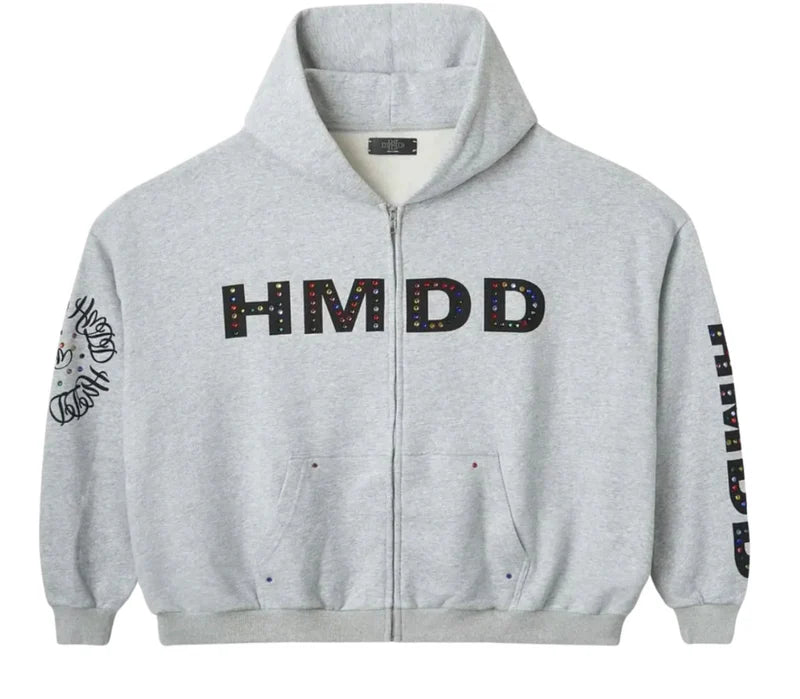
    HMDD, an abbreviation of Happy Memories Don’t Die, has built a loyal audience among streetwear shoppers who gravitate toward pieces that say something quietly. Shoppers chasing restocks often search “happy memories don’t die” and “hmddla” almost interchangeably, and the brand’s name has become a kind of online shorthand as a result. This roundup pulls together patterns from customer feedback across the categories HMDD is known for, focusing on fit, fabric weight, sizing accuracy and the details that keep people coming back for more than one drop. Instead of guessing at what shoppers think, we looked at recurring themes in reviews, comments and community chatter to build an honest picture of where HMDD stands in 2026.

    One thing stands out from the start: HMDD’s customers are far from occasional buyers. Many describe themselves as repeat customers who track releases closely, which says something about retention. Devotion of this kind doesn’t come about randomly; it typically reflects steady construction quality and an identity that goes beyond one trending piece.

    The Sweatpants Category: The Category Getting the Most Attention

    Out of the brand’s full range, it’s the sweatpants that reliably generate the biggest buzz. Reviewers frequently mention the weight of the fabric as a standout, noting that the pants feel substantial rather than thin or see-through, a common complaint with budget streetwear. Some reviewers focus on how the leg drapes, noting they fall properly without looking sloppily oversized. Still others focus on the waistband, describing it snug enough to stay put during everyday use but not so tight that it digs in after several hours.

    Colorways likewise come up frequently in reviews of the sweatpants. Shoppers appreciate that the brand doesn’t overload each release with too many options, which keeps the line feeling curated instead of diluted. This pattern—purchasing the same pair in multiple colorways once fit is confirmed—comes up repeatedly in reviews, hinting that hmmdla.net/hoodies sizing holds steady once a customer nails down their size. The few complaints that surface center on availability, not quality — specifically, popular sizes selling out during early access ahead of general release.

    Care instructions are another recurring theme. Shoppers who stuck closely to the washing instructions reported very little shrinkage after multiple washes, while a smaller group who used high heat in the dryer noted more noticeable tightening. Though not unique to HMDD, this is a common concern across fleece streetwear generally, and it’s worth flagging since it shapes lasting satisfaction more than almost any other single factor.

    A Seasonal Favorite With Consistent Praise: The Shorts Line

    Reviews consistently describe the HMDD shorts line as a warm-weather staple, matching the praise given to the sweatpants — namely solid fabric weight, a pleasing fall, and a considered fit. A number of reviewers characterize the shorts as flexible enough for both workouts and everyday wear, which is a point worth flagging because it widens the practical worth beyond a single use case. The length seems to land in a sweet spot for a lot of body types, based on frequent notes of shorts falling “right above the kneecap” without requiring a size adjustment.

    The depth of the pockets and the quality of the drawstring come up surprisingly often in shorts reviews. Shoppers appear more attentive to minor functional points here than elsewhere, possibly because shorts see use in more high-activity moments — gym time, quick errands, days spent traveling. Customers who brought up the drawstring reported it remained secure across a full day of motion, a modest but significant observation for anyone who has dealt with drawstrings that loosen constantly.

    Just like with the sweatpants, the majority of complaints center on stock issues, not the item itself. A handful of reviewers mentioned wishing for more length options, particularly those on the taller end, but this appears to be a less common view rather than a common problem.

    A Look at How HMDD’s Categories Compare

    To make sense of the review trend across HMDD’s core categories, the table below breaks down the attributes most often cited from customer reviews. It’s not intended as a good-versus-bad ranking — it’s a quick overview of what buyers commonly zero in on when they comment on each product category.

    Product Category Most Praised Attribute Most Frequently Raised Issue Indicator of Repeat Buying
    HMDD Sweatpants Material heft and hang Sizes running out quickly High — the same buyers purchasing several colorways
    HMDD Shorts Versatility across activities Limited length options Moderate to high
    HMDD Tops/Outerwear Print and branding elements Infrequent restocking Moderate

    What stands out looking at this table as a whole is that HMDD’s main difficulty isn’t about how satisfied customers are — it’s production matching the pace of demand. This is a distinctly different issue from quality control, and it often signals a brand outpacing what its production cycle can comfortably handle.

    What “Best HMDD Clothing” Actually Means to Shoppers

    People browsing typing in the top-rated HMDD clothing aren’t usually wondering which product beats every other one outright. Instead, they want to know which piece fits their specific need — daily comfort, a bold layering item, or something that photographs well for content. Going by what reviews suggest, sweatpants tend to dominate the “best for everyday wear” conversation, while shorts practically take the “best for warm weather versatility” title by default, since there’s little internal competition in the brand’s own range.

    Shoppers who say they’ve purchased across several categories — for example, sweatpants paired with shorts — often describe a consistent sizing experience between them. Such uniformity is more important than it seems when buying without trying things on, since uneven sizing within one brand’s lineup is among the quickest ways to erode buyer confidence. HMDD seems to have avoided that trap so far, at least based on the trend seen in existing reviews.

    Another theme worth mentioning: shoppers frequently describe the identity and messaging behind Happy Memories Don’t Die as a factor that keeps them coming back to the label. It isn’t only about construction or fabric quality; there’s an underlying emotional connection that buyers point to in what they write, calling the items meaningful rather than just practical. Creating that sentiment is far harder than perfecting a waistband, and it repeatedly appears in the language people use when they talk about the brand online.

    Fit Guidance Rooted in Frequent Customer Comments

    Because sizing questions dominate so much of the pre-purchase conversation around HMDD, it’s useful to sum up the feedback from reviewers. Across both sweatpants and shorts, the common takeaway is that sizing runs true for most builds, with a slightly relaxed cut rather than a compression-style fit. Buyers after a closer, more tailored fit have at times sized down, while people chasing an oversized fit have sized up with no significant complaints about proportions.

    Also worth pointing out is that reviewers who bought based on a specific past HMDD purchase — instead of starting with a blind guess — noted the greatest satisfaction. This drives home a straightforward idea: after a customer locks in their fit within the HMDD sizing scale, that size generally stays consistent across sweatpants, shorts and other product types. This sort of consistency holds real value, especially in an industry where sizing swings wildly from brand to brand.

    Closing Thoughts Based on the HMDD Customer Review Picture

    Drawing all of this together, the HMDD review landscape in 2026 adds up to a reasonably clear story. Customers consistently praise the quality of the fabric, fit consistency and the sentimental pull tied to the Happy Memories Don’t Die name. Most the gripes circle not on the item itself but on missing out before it sells through, a sign of demand outpacing supply rather than poor design. For anyone weighing HMDD against competing streetwear labels, the thread in customer feedback suggests a brand that has earned loyalty through repeat wearability rather than one-off hype pieces.

    Shoppers considering their first HMDD purchase should keep in mind the sizing patterns outlined previously, track when drops happen since how quickly popular sizes disappear, and expect the kind of fabric weight and build quality that reviewers keep calling a cut above standard streetwear basics. Regardless of whether someone starts with sweatpants, shorts, or some other piece from the lineup, the steadiness of reviews across categories indicates HMDD has created something shoppers really want to return to.

  • Prestige Graphic Tee Fit Guide Spotting Authentic Pieces

    A Customer’s View Examining Whether Prestige Justifies Your Money

    Every season ushers in a new wave of brands promising craftsmanship and good looks, but only a select few are able to retain shopper focus past the first purchase. Prestige counts among those names that keeps surfacing in talk of refreshing one’s closet, and for good reason. Here, we unpack what Prestige actually offers, how it measures up next to the noise around it, and whether the spend is worthwhile for a 2026 shopper. We’ll look at the way the lineup is built, the hoodie line that keeps getting mentioned, and the candid compromises that accompany any clothing purchase. Skipping the hype, this is a grounded look at what your money actually buys.

    What we’re trying to do here isn’t to sell you on the idea that Prestige is perfect. It’s to walk through the practical questions a shopper tends to ask before finalizing an order: does the fit stand up to scrutiny, does the cost correspond to the overall experience, and does the label make good on what its name implies. Once you’ve finished reading, you should have a clearer picture of whether the Prestige lineup earns a place in your rotation.

    Defining Prestige —Precisely

    The brand Prestige styles itself as a current-day clothing brand built around everyday essentials with a slightly elevated edge. This isn’t a high-end house with generations of history, and it doesn’t try to suggest it is. Instead, the label centers on approachable items that read as more deliberate than standard fast fashion, without requiring customers to spend premium pricing. That distinction matters because many shoppers searching “what is Prestige” are trying to figure out where it lands on the spectrum between low-cost staples and upscale names.

    The Prestige store operates primarily online, prestige-outlet.org/t-shirts which keeps overhead lower and allows the brand to update its collection more frequently than a traditional retailer might. Shoppers browsing the prestige store will notice a rotating structure: core pieces stay in stock consistently, while seasonal drops introduce new colorways and silhouettes. This model has become common among direct-to-consumer apparel brands, and Prestige leans into it rather than trying to imitate a legacy fashion house.

    What makes different Prestige from a run-of-the-mill clothing label is the care paid to fabric thickness and construction details in its more well-liked items. Rather than pursue broad appeal, it resists trying to be everything to everyone. The brand has clearly chosen a lane — streetwear-adjacent, comfort-forward, slightly minimal — and it stays in that lane season after season.

    The Prestige Range: What’s Included, In Reality

    From a contemporary clothing label, you’d anticipate a familiar spread of categories, and the Prestige collection covers: outerwear, knitwear, loungewear, and a small but consistent accessories range. Rather than running after every fad, the collection tends to reimagine a limited number of tried-and-tested shapes each cycle. This way of working minimizes the risk of ending up with a purchase that looks outdated after just a year, a frequent gripe among shoppers when it comes to trend-chasing labels.

    Because Prestige garments tend to run true to size more often than they don’t, frustrating returns are minimized — a theme that comes up again and again in customer feedback.
    Right up until you’ve ordered from three different fashion labels in the same month’s time and received three different results, sizing consistency sounds like a small thing.
    Among the less obvious reasons loyal buyers stick around is Prestige’s decision to maintain pattern grading consistent across its collection.

    Per release, the brand’s prestige lineup likewise gains from a restrained range of colors. The brand commonly limits each drop to four or five essential shades, rather than putting out twelve shades of one identical hoodie. Because of this, inventory stays easy to handle, and buyers deal with less decision fatigue. No one has to scroll through dozens of barely distinguishable options in search of the “right” one.

    The Prestige Hoodie: Why It Gets Singled Out

    Wherever the brand gets discussed in reviews, this hoodie is the piece that gets brought up most. The Prestige hoodie has become something of a flagship piece, and it’s worth understanding why it draws so much attention compared to the rest of the lineup. People tend to mention how heavy the fleece feels first — it feels solid rather than lightweight, a shortfall found in plenty of mass-market hoodies at a similar price.

    Manufacturing specifics including reinforced double-stitched edges and a reinforced front pouch pocket show up time and again across customer photos and reviews, indicating these represent more than one-off quality control wins but a benchmark the label upholds. The drawstrings are usually flat rather than round, a subtle touch that keeps them from twisting inside the hood casing with repeated wear — a nagging little issue found in lower-cost hoodies that Prestige seems to have addressed deliberately.

    As it sits in a loose-but-not-baggy cut in silhouette, the hoodie suits a wide range of figures, sparing shoppers several separate fit classifications.
    For shoppers trying to identify the best of Prestige clothing to start with, the hoodie is routinely the piece people suggest starting with, largely because it illustrates the brand’s general design ethos in a single, familiar garment.

    Prestige Compared Next to Comparable Names: An Overview

    Numbers help more than subjective praise when you’re figuring out where to spend. Below is a breakdown comparing Prestige versus two often-mentioned categories of rival brands: low-cost fast-fashion brands and mid-tier streetwear brands. This isn’t about listing precise rival pricing, since prices change all the time, but about structural differences shoppers should factor in.

    Factor Prestige Cheap Fast-Fashion Brands Mid-Range Streetwear
    Weight of the hoodie material Moderately heavy fleece construction Flimsy, sometimes transparent when pulled Heavy, sometimes stiff until broken in
    Fit reliability across sizes Reliable from one release to the next Fluctuates a lot depending on the run Fairly reliable overall
    Collection update frequency Seasonal with core staples year-round Constantly rotating on a weekly basis Scarce drops that rarely get replenished
    Craftsmanship specifics Reinforced double stitching with flat-style drawstrings Single stitching common Reinforced with double stitching
    How easy it is to find older styles Core pieces restocked regularly Almost never replenished Seldom reissued, often marked up on resale

    This table won’t settle the debate on its own, but it makes clear where Prestige lands: more aligned with mid-tier streetwear on craftsmanship, but with the restock dependability that fast fashion offers and streetwear brands often lack. That combination is a notable part of why Prestige comes up so often in “worth it” discussions rather than being brushed aside completely.

    What Buyers Are Reporting in Feedback

    A few recurring themes show up frequently enough to be significant, rather than written off as one-off complaints, once you go over a broad set of Prestige customer feedback. Shipping times get mixed feedback — some shoppers report receiving orders in about a week, while others point to extended delays during especially popular releases. This is a expected tension for a brand that doesn’t hold huge reserves of every item.

    Customer service responsiveness is yet another point of disagreement, with quicker fixes reported for exchange requests than for damaged-item claims. This is fairly typical for expanding DTC labels to have a bit of trouble in this area, and Prestige isn’t unique in that regard, but it’s useful to plan for this going in.

    On a brighter note, repeat purchase behavior is a clear indicator. Buyers who start with one Prestige hoodie tend to return for another item, often in a alternate signature shade, rather than switching brands entirely. This type of repeat behavior is harder to manufacture through marketing alone — it usually reflects genuine satisfaction with how the pieces wear and hold up over many wash cycles, which several long-term reviews explicitly mention.

    Does Prestige 2027 Deserve Attention?

    Turning to what’s next, the Prestige 2027 lineup is already generating initial buzz based on preview glimpses and the brand’s tendency toward gradual refinement rather than a total overhaul. If the trajectory from recent seasons holds, expect polished updates to current top sellers rather than a complete overhaul — a plan that pays off for shoppers who already know which fits work for them.

    For folks who haven’t yet made up their minds, what makes this worthwhile seems most clear-cut for people who prioritize reliable fit, dependable sizing, hard-wearing staples, and a curated set of well-made choices over a sprawling, hard-to-navigate lineup. Prestige clothing steers away from being framed as a traditional luxury investment — it’s pitched as a sensible mid-range purchase that proves sturdier than you’d expect for the money.

    At the end of the day, the case for choosing Prestige is shaped by what you’re shopping for. This brand isn’t built for cheaply made, short-lived items, should that be what you’re after. But if you’re after reliable staples — headlined by a hoodie that keeps earning praise — minus the high-end cost, then Prestige earns its growing reputation. Up to now, the best of Prestige clothing suggest a brand still building — yet growing from a foundation already dependable.