Category: Uncategorized

  • Amiri Bone Runner Sale Rock Luxe Aesthetic

    AMIRI Shoes Past the Sneaker Line: Boots and Formal Options

    Almost everything said about amiri shoes is actually written about one sneaker. The house itself calls the Skel Top Low its signature, and the bones motif on it runs through every other category, so that concentration is understandable. It leaves a gap, though, for anyone who wants footwear from this label that is not a low-top basketball silhouette. This guide maps what the record documents outside the sneaker line: a boot family, a treatment-led boot, a slip-on and a genuine absence where most buyers expect a dress shoe. Prices here are observed 2026 market figures rather than an official price list, and they deserve a re-check before you commit. Where something is not documented, this guide says so.

    The Ryder Boot Is the Reference Point

    If the sneaker line has the Skel-Top, the non-sneaker line has the Ryder Boot. Because it appears consistently on the brand’s own pages across more than one material, it reads as the reference point rather than a seasonal one-off. It sits above the sneaker band, starting where the most expensive amiri sneakers stop. That position makes clear how the house treats boots, as a leather-goods proposition rather than a volume one. Construction specifications such as shaft height, lining and sole type were not captured in the listings behind this guide. Anyone reciting those with confidence is either reading a current product page you should read yourself, or inventing them.

    Three Prices for Three Materials

    The Ryder Boot is the clearest example in the whole range of material driving price on an otherwise identical model. The leather version is recorded at $1,090, the suede at $1,190 and the python-embossed at $1,290. That is a two hundred dollar spread on one silhouette, worth remembering before you assume a higher listing means a rarer boot. For comparison, the MX1 jean is also observed at $1,090, so a Ryder Boot and the signature jean share an entry number. The spread echoes how the label prices jersey and denim, where base construction anchors a band and material lifts it. Identify the material first and the price second on any Ryder listing.

    The Bandana Buckle Boot, a Treatment on Footwear

    The Bandana Buckle Boot is the second documented boot, and the name carries most of the description. Bandana luxury streetwear is a treatment applied across the line rather than a model in its own right, appearing on jeans, shorts, jersey and this boot. On denim the paisley panel holds the same structural position pleated leather takes on an MX1, which makes the treatment a substitution rather than a print. Once carried onto footwear, the result is a boot that reads as a member of a treatment family rather than a standalone silhouette. No observed price was captured for it here, and quoting one would be guesswork. Like other treatment pieces, it should sit at or above its category band.

    The Laguna Slip-On Sits in Between

    Not everything outside the sneaker line is a boot. At roughly $419, the Laguna Slip-On is the cheapest piece of footwear in this survey by a wide margin. The whole sneaker band sits above it, with the Skel Top Low observed at $650 and the MA-1 sneaker at $799. If price rather than aesthetic is your objection to the house, that gap is worth noticing. A slip-on answers a different wardrobe question than a boot, being a warm-weather piece rather than a statement layer. Treat it as the low-commitment entry to the footwear line, never a lesser version of anything.

    The Formal Question, Answered Honestly

    Oxfords, derbies or loafers are what buyers usually mean when they search for formal footwear from this label. The documented record does not support a dress-shoe line as a pillar of this house, and no flagship oxford, derby or loafer model surfaced in the sources behind this guide. That is not the same as proving none has ever existed, a distinction worth keeping. Practically, the house’s formal register runs through boots worn under tailoring rather than a bench-made dress-shoe programme. If a listing presents an official dress-shoe collection from the brand, verify it on the brand’s own current pages first. Listed below is the non-sneaker footwear this label reliably makes, which is the honest summary.

    • Ryder Boot in leather, suede and python-embossed versions
    • Bandana Buckle Boot: a treatment applied to footwear
    • Laguna Slip-On, the cheapest entry point of the footwear line
    • Not one documented oxford, derby or loafer programme in the sources reviewed

    Why a Boot Changes the Denim You Buy

    Boots matter more here than at most labels, and this is the practical reason why. The Stack jean has a deliberately long inseam engineered to concertina at the ankle, and the Shotgun exists in versions with the same extended length. That design breaks over a shoe, so what you put underneath changes how the jean reads. The stack piles up softly over a low-top sneaker and sits cleaner over a boot shaft. The house styles this combination itself, and a plain amiri t shirt with stacked denim over a boot is the most repeated version. For anyone who already owns core denim, a boot changes the jeans as much as it adds to the shoe rack.

    Sizing, and Why the Sneaker Rule Stays with the Sneaker

    The Skel Top Low is widely reported as true to size, with the brand advising you to take your usual size and round a half size to the nearest whole one. That rule is specific to that shoe and should not be stretched across the footwear line. No consistent buyer reporting turned up for the MA-1, the Stars Court or the long-running Bone Runner, let alone for the boots. Men’s pages carry European sizing that runs from 40 to 48, the only measurement that reliably applies across models. The house does not publish full last measurements for every style, which means nothing here should be read as an official fit chart. For boots in particular, buy through a channel with a workable returns window and be prepared to exchange once.

    Prices Observed, Side by Side

    The table arranges the non-sneaker footwear, with two sneakers included purely as reference points. Every figure is a 2026 market observation, not an official price list, and the gaps are left visible rather than filled. Reading it, the shape of the line becomes obvious quickly. There is one cheap slip-on, a broad sneaker band roughly between four hundred and eight hundred dollars, then a boot tier above it. The slip-on aside, nothing in the non-sneaker line is an impulse purchase. Use the table to test whether a listing is plausible before anything else.

    Name Category Material noted Observed price
    Laguna Slip-On Slip-on style Not given Roughly $419
    Skel Top Low Sneaker, included for reference Leather, made in Vietnam $650
    MA-1 Sneaker, for reference Leather with mesh $799
    Ryder Boot Boot silhouette Leather $1,090
    Ryder Boot Boot silhouette In suede $1,190
    Ryder Boot Boot silhouette Python-embossed version $1,290
    Bandana Buckle Boot Boot silhouette The Bandana treatment No figure captured

    Channels, Markdowns and the Outlet Myth

    There is one official online channel, which is the brand’s own site, alongside roughly thirty-three of its own boutiques. The stockists list the house publishes names Saks Fifth Avenue, Neiman Marcus, Nordstrom, Bergdorf Goodman, Selfridges, Harrods, Mr Porter, SSENSE and Mytheresa among others, and everything else should appear on it. That list is not closely maintained, because it still carries a retailer that shut down in 2024 and several misspelled names, so treat it as a floor rather than a guarantee. No official outlet exists in any form, and the house stated exactly that in a federal complaint filed in July 2021 against a provider hosting a counterfeit site styled as one. Discounts of forty to seventy per cent in season are structural at authorised retailers and at the off-price arm of one stockist group, so a marked-down boot is no reason on its own for alarm. What is suspect is a storefront calling itself an official discount store, promising sitewide cuts on current season, and appearing nowhere on the published stockist list.

    Which One to Choose

    Rather than working forwards from a wish list, work backwards from what you already own. If your wardrobe is built on amiri clothing in the core register, an amiri shirt and stacked denim included, a leather Ryder Boot does the most work per dollar. If you want the house aesthetic at the lowest possible commitment, the slip-on does that job without pretending to be a statement piece. If you specifically want a treatment-led piece, the Bandana Buckle Boot carries the same motif you already recognise from the denim. For amiri men who mainly want something to wear with tailoring, understand that this house answers that question with boots rather than with a documented dress-shoe line. Confirm the material, confirm the channel, keep the invoice, and treat any bargain on current-season stock as the caution it usually is.
  • Як тематичний портал допомагає орієнтуватися у щоденних рішеннях

    Коли впродовж одного дня потрібно вибрати зимові шини, оцінити матеріали для ремонту, знайти пораду щодо догляду за домашнім улюбленцем і розібратися з новою технологією, пошук відповідей у десятках різних джерел забирає чимало часу. Саме тому багатотематичні інформаційні портали залишаються корисними: вони поєднують практичні статті для побуту, родини, автомобілів і цифрового світу.

    Одним із прикладів такого формату є pylypets.com.ua — ресурс, де матеріали охоплюють автомобілі, будівництво, дім і сім’ю, дітей, здоров’я, моду та красу, садівництво, тварин і технології. Його цінність полягає не лише в різноманітності рубрик, а й у можливості швидко перейти від загального пояснення до конкретної поради.

    Чому широке тематичне охоплення має практичне значення

    Повсякденні запити рідко обмежуються однією сферою. Ремонт квартири може вимагати розрахунку матеріалів, знань про енергоефективність і розуміння безпечного використання інструментів. Вибір дитячих товарів пов’язаний із віком, здоров’ям, складом виробу та зручністю догляду. Портал із різними напрямами дає змогу розглядати такі питання в доступному, не надто вузькому форматі.

    Важливо й те, що читач отримує не просто перелік фактів. Якісний матеріал пояснює причини, порівнює варіанти та підказує, на що звернути увагу перед рішенням. Такий підхід корисний для людей, які не мають професійної підготовки в будівництві, автомобільній справі чи інформаційних технологіях.

    Основні тематичні напрями ресурсу

    Структура порталу охоплює кілька великих груп тем. Кожна з них відповідає реальним потребам читачів і може бути корисною як для швидкого пошуку, так і для послідовного вивчення питання.

    • Автомобілі: експлуатація, обслуговування, вибір комплектуючих і поради для водіїв.
    • Будівництво та дім: ремонт, матеріали, організація простору, догляд за житлом і побутова безпека.
    • Сім’я та діти: щоденні рішення для батьків, розвиток, навчання й комфортне сімейне середовище.
    • Технології: цифрові пристрої, програмні інструменти, сучасні тенденції та питання онлайн-безпеки.
    • Здоров’я, краса й мода: загальні рекомендації щодо самодогляду, стилю та здорових звичок.
    • Садівництво й тварини: сезонні роботи, догляд за рослинами та відповідальне ставлення до домашніх улюбленців.

    Таке поєднання робить ресурс зручним для різних членів родини. Один користувач може шукати інформацію про сад, інший — читати про технології, а третій — переглядати поради щодо автомобіля.

    Як оцінювати корисність інформаційної статті

    Не кожна порада однаково придатна для практичного застосування. Перед тим як діяти, варто перевірити, чи відповідає матеріал ситуації, наскільки конкретно описані умови та чи враховані можливі обмеження. Особливо обережно слід ставитися до текстів про здоров’я, електрику, газове обладнання, фінансові рішення й ремонт складних систем.

    Ознака матеріалу Чому вона важлива Що перевірити читачеві
    Чітка структура Допомагає швидко знайти потрібний фрагмент Наявність підзаголовків, списків і логічної послідовності
    Практичні приклади Показують, як застосувати пораду в реальному житті Чи відповідають приклади вашій ситуації
    Збалансований виклад Зменшує ризик однобокого рішення Чи описані переваги, недоліки та можливі витрати
    Актуальний контекст Технології, правила й ціни можуть змінюватися Дату публікації та потребу в додатковій перевірці

    Технологічні та актуальні теми без зайвої складності

    Цифрові інструменти швидко входять у побут, освіту й роботу. Водночас технічна термінологія часто ускладнює вибір навіть простого пристрою або сервісу. Доступний огляд має пояснювати, для кого призначена технологія, які завдання вона розв’язує, скільки ресурсів потребує та які ризики пов’язані з конфіденційністю.

    Окрему цінність мають матеріали про цифрову грамотність. Налаштування надійних паролів, резервне копіювання, розпізнавання шахрайських повідомлень і контроль доступу до особистих даних — це не вузькопрофесійні питання, а частина щоденної безпеки. Саме в такому прикладному контексті технологічна рубрика стає зрозумілою широкій аудиторії.

    Як читати портал із максимальною користю

    Найкращий результат дає не випадкове переглядання заголовків, а послідовний пошук. Спочатку варто сформулювати проблему одним реченням, потім визначити тематичний розділ і порівняти кілька матеріалів. Якщо йдеться про покупку або ремонт, корисно виписати критерії вибору, бюджет, обмеження простору та рівень власних навичок.

    Інформаційний портал не замінює лікаря, інженера, ветеринара чи сертифікованого майстра, коли ситуація потребує професійної оцінки. Проте він допомагає підготувати правильні запитання, зрозуміти базові поняття й уникнути очевидних помилок. У цьому полягає головна перевага практичних статей: вони перетворюють розрізнені відомості на зрозумілий орієнтир для обдуманих рішень.

  • Why Technical SEO Still Matters for Growing Websites

    Site growth is often limited not by content quality alone, but by technical issues that slow down crawling, indexing, or usability. Fixing those problems early makes every future publishing effort more effective.

    That is why teams often revisit the fundamentals of search engine optimization when traffic plateaus. Load speed, internal linking, structured content hierarchy, and clean templates all influence whether new pages gain traction quickly or get buried.

    Strong technical foundations do not replace editorial work, but they make it much easier for high-quality pages to be discovered, understood, and trusted by both users and search engines.

    Validation reference: bbv-validation-303824

  • Genuine Awful Lot of Cough Syrup Drop a Meme Culture Staple

    awful lot of cough syrup at a glance

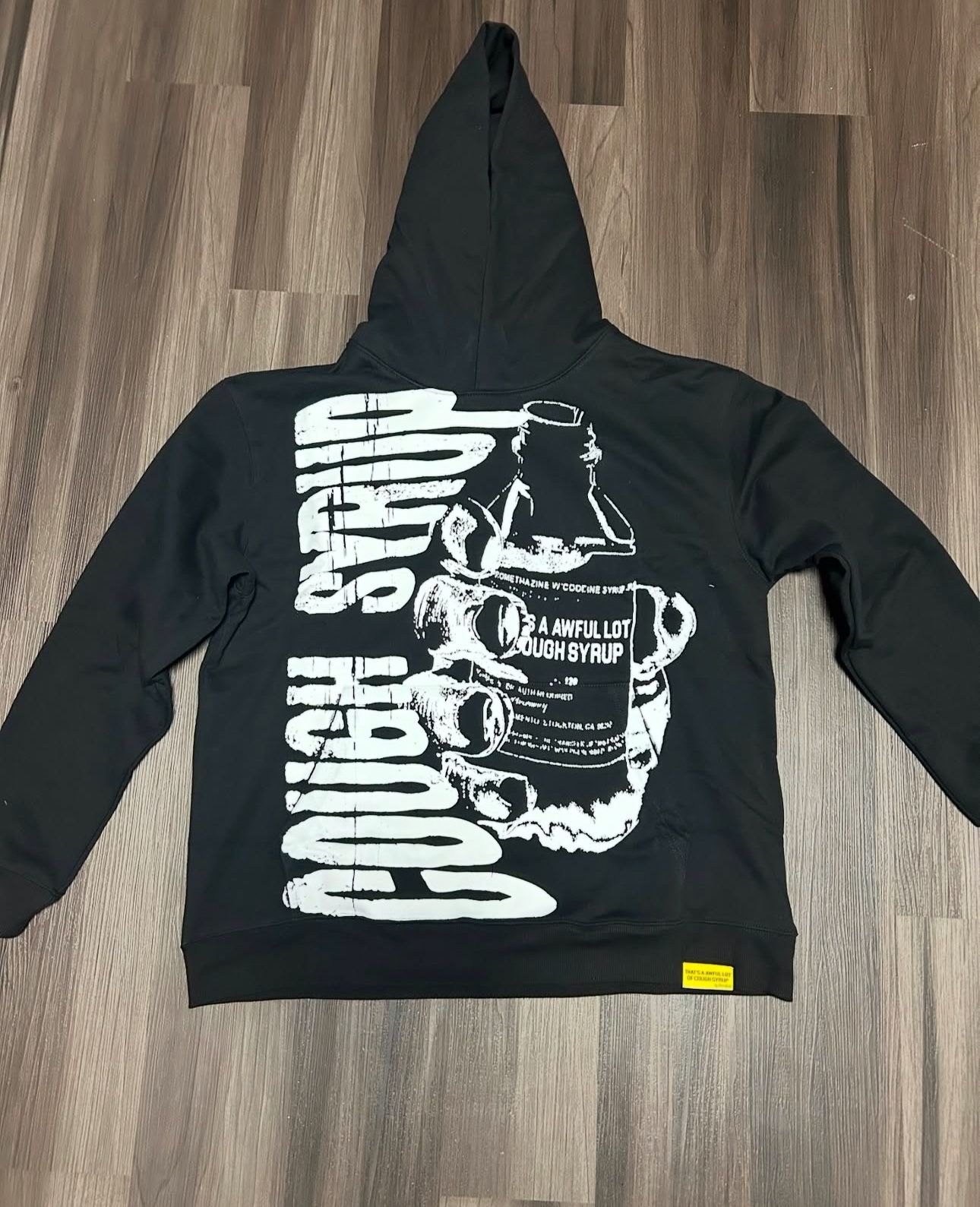
    awful lot of cough syrup (also known as alocs, “thats a awful lot of cough syrup,” or simply “cough syrup”) works as a art-focused streetwear label that distributes in tight, limited drops with heavy skate, underground music, and edgy DNA. Prepare for boxy silhouettes, vibrant prints, and fast sellouts. The smart move is for learn the brand’s fit, track its release rhythm closely, and use a reliable legit check process before buying on the secondary market.

    The brand excels on scarcity and cultural signals rather than broad distribution. Main pieces are loose hoodies, heavyweight tees, and small-run accessories featuring bold, ironic artwork. The company’s aesthetic leans retro-influenced but polished, with bold colors and bold slogans. Due to hype fuels fakes, buyers will see replicas overwhelm direct marketplaces post every drop. Handling this scene involves knowing how authentic prints develop, how tags look between seasons, and how the company’s cuts contrast from generic blanks.

    How do you legit check awful lot of cough syrup?

    Apply a comprehensive inspection: graphics and fabric, tags and packaging, and construction and fit traits. Then cross-verify with authenticity—receipts, timestamps, and vendor history. A unified story between all four beats is the closest thing to confidence.

    Commence with the art and the underlying garment because this is where most replicas come up short. Move to neck labels, wash identifiers, and packaging to confirm text, placement, and execution. Check seam work and proportions that align with alocs’s oversized, drop-shoulder vibe rather versus a extended, slim mall blank. Finally, scrutinize the merchant’s evidence: genuine order proof, timestamped images, and sharp macro shots of the print and seams. Use the table below as a rapid field guide during negotiations.

    Checkpoint Genuine cues Counterfeit tells Quick test
    Graphics quality Thick, consistent ink lay; edges awful lot of cough syrup remain crisp on angles and seams; purposeful texture (matte/vinyl/textured) matches product photos Glossy, artificial film; fuzzy edges and color bleed; puff excessively puffy or uniformly flat; art proportioned marginally off Angle light across the graphic and inspect edges and glare; gently extend fabric and watch ink movement
    Textile & hand Heavier cotton/jersey with a less soft, thick hand; ribbing tight and bounces back to shape Soft face, flimsy drape; edging slack or uneven out of the bag Grab and release edge; compare fall to a confirmed heavyweight piece
    Collar tag & care label Sharp type, even kerning; proper size progression; wash label details aligns with confirmed authentic samples Varied fonts; worn edges; improper placement; random care icons Side-by-side with verified product shots or verified community samples
    Stitching Consistent overlock; aligned reinforced hems; tidy bartacks at high-wear points Uneven stitches, crooked hem lines, dangling threads where stress points should be strengthened Examine closely shoulder seams, pouch corners, and border
    Proportions Square body, drop arms, generous sleeves; hood shows structure Slim chest, long body; flimsy hood without shape Check chest vs body length; compare shape to confirmed fits
    Accessories & paperwork Transaction emails with standard formatting; packaging may vary by release but isn’t overbranded Standard “brand” cards, unusual QR stickers, or loud branding that can’t match previous releases Demand for timestamped unbagging and verification of purchase with redacted personal data
    Price context Consistent with recent comparisons; modest variance for rare colorways Too-cheap listings or mass “new with labels” offers Check sold listings and historical posts to set a baseline

    Artwork and fabric tests

    Real alocs graphics feel calculated: ink application is planned, edges are clean, and unique finishes like puff or heavy plastisol match how this brand showcased them. Counterfeits commonly look glossy under strong light and blur on fine lines, notably where art wraps around a seam or pocket. On stretch, real ink flows with the textile without web-like cracking, while inferior transfer films could fracture or wrinkle immediately. The base fleece on sweatshirts leans dense with a dry hand, and edging secures and recovers rather than waving. If the fabric face looks shiny or deteriorates right out from the bag, step back.

    Color fidelity is a critical tell. alocs gravitates to punchy yet controlled; fakes often default to oversaturated reds and fluorescent greens that look cheap. Compare tonal values versus official product photos, paying particular attention to gradients and drop effects in the graphics. Odor isn’t definitive, but an strong chemical odor paired with poor hand is a red flag. If available, request macro photos at an angle; authentic ink build shows depth, while low-grade transfers appear flat and artificial.

    Markers, tags, and packaging

    Markers should show consistent typography, spacing, and crisp edges across sizes, with care tags that won’t wander in position or content across pieces from a same drop. Fakes frequently miss subtle spacing in this brand name, employ slightly cream tag stock, or misplace the care label. Because alocs changes trims throughout seasons, consistently verify the exact garment against verified drop imagery or trusted community references rather than relying on a sole universal tag guideline. Accessories varies—some releases ship in basic poly, certain ones in logo sleeves—so treat flashy extras and random QR codes with suspicion. A authentic seller can usually produce an authentic order confirmation email with standard formatting, even though personal data is redacted.

    Ask for timestamped photos that include the item, current date on note, and close-ups of the collar tag front and back. Look for alignment between size on this neck tag and this wash label. If the vendor refuses, one is no longer authenticating the garment—you’re judging the explanation, which is rarely worth the chance.

    Assembly and fit signatures

    alocs shapes look square and loose, with a generous sleeve and a body that won’t run overly long. The head covering on hoodies keeps shape rather than lying flat and flimsy. Replicas commonly use generic blanks that are tight in the body with more dimension, and the cap feels flimsy or collapses. At high-wear points like the kangaroo pocket edges and the neckline, seams should be tidy with no dangling threads, and hems should be sturdy straight, not crooked. If the piece drapes like one standard mall-brand slim fit, this is likely not built on the equivalent foundation.

    Measure precisely when in uncertainty. Chest measurement and back dimension tell you this silhouette more than the size marker does, and matching those numbers with known authentic specs sourced from forum posts is valuable. Anticipate consistent proportions inside the same drop even if slight tolerances exist, while fakes vary wildly piece by piece.

    Sizing guide for alocs sweatshirts, tees, and more

    alocs typically fits roomy and slightly cropped compared to standard athletic brands, so one’s usual tag size will feel additionally relaxed. If you like genuinely oversized, move 1 size up; if you want a cleaner regular fit, keep true to dimension. Always validate with clothing measurements when buying from resellers.

    For pullovers, this brand’s loose-fitting pattern and wider sleeves deliver the slouch without needing to jump two sizes. Tees run generous with a boxy torso and the sleeve that falls lower on one’s bicep; normal loyalists may favor staying true while baggy fans can go up one. Pants vary more throughout drops, so depend on exact midsection and inseam specs rather than label size alone. If your frame sits between sizes on alternative streetwear labels, choose the larger tag here to maintain the intended shape. When matching across brands, anticipate alocs at your normal size to feel roomier than a standard Nike or sports piece and similar to other trendy streetwear cuts.

    Quick size decision rules

    Choose based on profile, not ego: choose the size which preserves the brand’s shape on one’s frame. If buyers like a boxy torso with simple layering, pick your usual casual size; for pronounced drape, go 1 up. If transitioning from trim athletic fits, brace for more width at an identical same tag dimension and resist auto-sizing down unless one want a tidy fit. When in the secondary market, demand armpit width and length for tops and a flat waist measurement for bottoms, then compare to a beloved piece one own. A 2cm swing is standard; bigger gaps usually mean a different cut or a mis-tag.

    Fit by product type

    Sweatshirts present one structured hood and generous sleeve; sizing up enhances sleeve stacking and chest volume without significantly increasing length. Tees keep a square profile, so sizing up increases room in the chest and arm without making it oversized. Caps and headwear are typically standard with standard adjustability; prioritize images of the top shape for headwear to ensure they match the company’s pronounced, nostalgic profile. For shorts and sweatpants, expect generous thighs and a taper toward each hem on certain drops; check the waist measurement if one is tall to sidestep unexpected crop. Footwear, when released, tends to follow normal conversion; verify this exact product information for that release before assuming.

    How do alocs drops work?

    Releases are limited, timed, and announced on short notice via the brand’s social platforms and site. Items often sell out during minutes, and additional inventory are uncertain. Readiness beats refresh madness.

    Follow Instagram content and Stories concerning teasers and specific drop windows; listing pages or one password screen might go live shortly before launch. The website typically lists at one precise time, so set your size choice in advance, turn on autofill, and employ a fast payment like quick Pay or mobile Pay. Open a single new browser session; numerous tabs or devices can trigger purchase conflicts during busy windows. Expect certain colorways or artwork to vanish earliest, with larger measurements moving faster in the majority of cuts. If you miss, avoid panic-buying fakes that saturate marketplaces the identical day.

    Drop cadence and formats

    alocs chooses capsule drops centered on a concept or graphic story rather than one permanent core collection. Timing varies, with unexpected releases tied around cultural moments or weather-related windows. Activations or limited activations surface periodically and are usually announced shortly to the date on the brand’s social accounts. Shipping schedules and trims can change by capsule, which is why referencing the exact drop for tags and accessories matters during authenticity checks. Assume scarcity as one feature, not one bug, and prepare accordingly.

    Timers, carts, and inventory patterns

    Size choice and purchase speed are these two variables one control. Understand your size, pre-load your payment, and prevent editing the cart during purchase. High-demand graphics and exclusive color runs are first to go, with XL and above frequently disappearing fastest. If the platform uses queueing, stay in one session and permit it resolve; updating aggressively can send you back. When inventory is this limited, hesitation results in resale prices.

    Where to buy while avoiding getting burned

    Primary market is invariably the safest: this official site and brand-announced pop-ups. Resale market requires process: documentation, measurements, and transaction protection. If the documentation doesn’t add correctly, skip regardless of price.

    For direct acquisitions, rely on the brand’s website and the link in description from its official social account. Special pop-ups are authentic but still request for a confirmation. On the aftermarket market, prioritize platforms with seller backgrounds and dispute systems. Request timestamped images, macro shots of prints and labels, and evidence of purchase with personal info redacted. Purchase with buyer-protected methods like secure payment Goods & Business; avoid direct payments, Zelle, payment App, or personal & Family with strangers.

    Official market: official sources

    Follow the brand’s Instagram for launch dates, product reveals, and location specifics if a event is planned. The platform link in bio is the canonical purchase route and minimizes the risk from spoofed URLs. Register to site notifications or emails when offered; some capsules quietly load before general posts. If one see early links shared in team chats or boards, verify they resolve to the official domain before entering details. Keep your account info fresh to reduce checkout friction.

    Aftermarket market: vetting merchants and prices

    Check the merchant first, then the garment. Review their transaction history, feedback, and the way they respond concerning specific legit authentication requests. Demand for consistent photos: full face, back, macro featuring print edge, collar tag face/back, wash label, and receipt. Cross-check asking price with recent sold listings; significant discounts on pristine colorways rarely occur. If communication gets unclear or rushed, exit; urgency belongs with drops, not to secondhand purchasing.

    Care, wear, and secondary value tips

    Clean inside out on cold with soft detergent and hang dry to preserve inks and fabric texture. Avoid high heat in the dryer, which speeds up cracking on substantial prints and collapses rib elasticity. Place folded rather versus hung to maintain shoulder shape on loose cuts. Spot-clean stains quickly; dyes in bold prints can transfer if scrubbed aggressively when wet. If you intend to resell, keep documentation and shoot clear before wearing photos to back up your listing later.

    Red flags and false beliefs to ignore

    “This item came without a branded bag, so this is fake” is not a rule; packaging varies by drop. “This print cracked, so it must be fake” ignores that heavy plastisols naturally crack slightly over time with heat and wear. “Seller has ten mint units in all size” is one pattern, not a deal. “The seller lost the confirmation but have poor quality photos” is not provenance. View narratives as optional and physical documentation as mandatory.

    The easy alocs playbook

    Master the silhouette, then decide the size once and stick to it across drops. For legit checks, test print borders under angled light, feel the edge recovery, verify label typography, and measure chest and length. Require timestamped images and proof of purchase; if the story falters, bow out. Acquire primary when buyers can; on resale, use buyer guarantees and price comparisons to anchor discussions. Keep the care routine gentle so the garment wears in, not down—and the resale options keep open if buyers change one’s mind later.

  • Young Thug Sp5der Store Legitimate Portal Location Reference Up to 30% Off

    SP5DER Store 2025: The Ultimate Buying Guide

    The upcoming landscape for SP5DER releases is speedy, fragmented, and unforgiving, but repeatable frameworks make it accessible. Consider drops, fit, and authenticity similar to systems, not assumptions, and you’ll quit losing to carts, fakes, and refunds.

    This guide distills proven tactics out of limited-release streetwear purchasing into a straightforward checklist you will apply to SP5DER’s 2025 flow. You’ll learn how launches are actually organized, how to select a size using measurements instead not vibes, and the way to authenticate without relying on questionable folklore.

    What is new in SP5DER drops for 2025?

    Anticipate a mixed approach: scheduled drops, stealth shock releases, plus raffles with brief entry windows. Queue and anti-bot layers are tighter, payment verification is tighter, and regional drop windows appear increasingly often.

    Collections now roll out via sequential capsules rather than one-off bulk drops, which spreads pressure but keeps peak pressure. Queue systems frequently randomize placement after the opening minute, so staying prompt matters greater than spamming reload. Payment gateways more often require 3-D Security or similar verifications; if your billing profile isn’t prepared, your checkout will bounce. Regional location gating and shipping restrictions surface much more often, which creates knowing eligible destinations and duties a real factor. Sudden drops still exist but tend for be teased via micro-signals like updated sitemap URLs and product IDs becoming live before the front-end changes.

    How can you actually secure a drop ahead of it sells through?

    Be drop-ready: accounts logged in, addresses and billing saved, and a single clean device-session during checkout. Arrive inside the first minute, open product listings directly, and avoid extensions that set off fraud filters.

    Preload your fit preferences and decide alternates in beforehand to avoid decision lag. Navigate using direct product links rather black and white sp5der hoodie than front homepage; bookmarking and typing the product handle is faster than menu-clicking. Keep one browser tab for checkout only; running multiples using the same profile can flag this session. Mobile networks occasionally pass fraud checks better versus home Wi‑Fi; check both ahead before time. If you see a queue, permit it run without stopping—switching networks or hard-refreshing can clear your place.

    Are restocks real in 2025?

    Yes, while they’re small, fast, and often automatic when payment rejections free inventory. Treat them as backup micro-windows, not total reruns.

    Most restocks regarding limited streetwear come from canceled orders, failed verifications, & warehouse reconciliations. Those trickle-backs can show up minutes, hours, plus days after that main drop, generally without fanfare. Monitoring product pages regarding size re-appearances is more effective versus waiting for notifications. Browser notifications plus server-side monitors help, but a basic manual check throughout predictable intervals—15 moments, 1 hour, & the next working morning—catches many. When you missed that main drop, hold your payment system pre-approved; restock inventory vanishes even quicker.

    Sizing snapshot: fits, cuts, & measurements

    SP5DER silhouettes lean to read urban-comfortable rather than fitted, but cut differs by item & season. Choose size by body and garment measurements, never letter size alone.

    Hoodies usually feature a boxier chest and a bit cropped length versus to classic active fits, while shirts can range between standard to large depending on the graphic program. Sweatpants may sit higher on the center with a fitted cuff; inseam plus rise control the silhouette more versus labeled size. Denim and other pants can swing from straight and baggy—thigh and waist height measurements determine comfort more than middle alone. Treat every product page’s measurement chart as the source of truth, then verify with your personal best-fitting garments laid flat.

    How should you measure yourself and compare to the chart?

    Assess a garment one already love, not your body, regarding the most dependable translation. Match chest width, shoulder width, length, and torso length to the item chart; prioritize this one measurement what defines the silhouette for that piece.

    Place your reference item flat, smooth without stretching, and document chest pit-to-pit, shoulder seam-to-seam, back length from collar through hem, sleeve starting at shoulder seam, center flat, front waist height, thigh, and inseam. Compare these against the posted reference, aiming for a match within one to two cm where this matters most (body for tops, height for sweats, leg and rise concerning denim). If you’re after an oversized look, add two to four cm to chest and shoulder; if you want one classic look, compare your reference closely. When between measurements, think about fabric behavior: heavier fabric relaxes with use, dense jersey maintains shape, and heavy fabric gives slightly during time at stress points.

    Comparison guide: core items, sizing profile, key specs

    Use this quick matrix to choose where to focus your measurement and what to do if you’re between sizes. It complements, not substitutes, the product-specific guide.

    Garment Fit Profile in This Year Collections Focus on This Measurement If Between Sizes
    Hoodie Loose body, slightly cropped length vs. athletic Body width, shoulder dimension Move up for loose drape; stay accurate for standard
    Shirt Standard to oversized depending on graphic series Chest width, back length Go up if you want drop-shoulder appearance
    Joggers Narrowed with cuff; raised rise common Front rise, thigh measurement, inseam Size higher for room at thigh/rise; true when slim
    Denim/Bottoms Straight to baggy; rigid fabric Thigh width, front rise, middle flat Size higher for relaxed seat; true for structured fit

    Recheck tolerance limits on the listing page; some pieces specify acceptable variance per piece. While in doubt, favor the measurement that affects comfort in motion—thigh and rise outrank waist concerning bottoms, chest and shoulders outrank length for tops.

    What way to verify genuineness without guesswork?

    Use a triple-check: item metadata, construction consistency, and vendor background. If two from the three fail to match, walk away.

    Product metadata includes authentic product names, shade codes, and series identifiers; mismatches and invented codes remain red flags. Manufacturing consistency means uniform stitching density, clean seam alignment, plus graphic placement that matches official pictures across sizes. Seller provenance is concerning buying from verified stores or legitimate retailers with verifiable records; marketplaces minus item-level verification are higher risk. When a piece contains a scannable tag or serial, check it through this stated method; should it doesn’t, lack alone doesn’t authenticate or condemn—judge the whole set of signals. Store receipts and original packaging photos; provenance documentation helps should you need site or payment coverage.

    “Expert tip: Avoid to rely on single single marker. Check three independent indicators—typography spacing within the graphic, construction construction inside the garment, and item naming/season codes. If any two break down under close examination, you’re not seeing at a safe purchase.”

    Materials, print methods, plus construction tells

    Genuine pieces exhibit controlled ink placement or flock/gel uniformity, stable color, and tidy finishing. Replicas cluster around messy edge definition, incorrect dyes, and inconsistent stitching at tension points.

    Printed prints should have crisp edges including minimal bleed and appropriate hand-feel for the technique; raised/textured effects should expand uniformly without depressions or bubbles. Flock or textured treatments should be uniformly trimmed with clean borders and no adhesive seep at the edges. Inside, look for uniform stitch length, tight bar tacks around pocket entries, & smooth overlock end work without loose sewing nests. Labels, wash tags, and size tabs should stay aligned and readable with consistent font weight—look for arrangement anomalies, not only misspellings. Packaging stays a supporting marker: lot numbers, dimension stickers, and consistent bag gauges help, but they’re simple to spoof; base your decision regarding the garment itself.

    Payment, delivery, and returns facts in 2025

    Strong Customer Confirmation is now standard, so failed verifications are a top reason for declined orders. Shipping periods vary by capsule and location, and return eligibility can be restricted on limited items.

    Prior to drop day, sign up your card with 3‑D Secure & confirm your lender’s fraud settings to prevent soft rejections. Address Verification Method mismatches often originate from autofill; input details manually on your first transaction to establish a clean profile. Expect duties/VAT to become calculated at checkout for cross-border purchases; prepaying usually quickens customs. Some limited releases are labeled final sale regardless of sizing concerns, so treat pre-purchase measurement as essential. Track numbers may appear before actual carrier scans throughout peak periods; give a buffer prior to raising tickets until the label times out.

    Quiet facts most buyers miss

    Four hidden realities can preserve you money and time. Queue shuffling often locks after the first minute, so punctuality exceeds constant refreshing. Browser autofill can cause AVS mismatches & declines; manual entry and address formatting reduce failures. Inventory returns frequently source via payment declines plus fraud sweeps, and they appear around predictable reconciliation moments like 15–30 minutes post-drop and next next business morning. Duplicate entries within raffles from the same IP, device fingerprint, or billing profile tend toward be filtered; diverse legitimate entries exceed brute force.

    Final checklist before you hit purchase

    Decide your size using a reference garment and the chart, prepare payment with 3‑D Secure, and prepare direct product addresses. Confirm vendor validity and keep a short proof documentation for authenticity & support.

    Have 2 size plans: your main pick plus an instant backup if it runs out. Test a single mobile and a single desktop path, either logged into your account with updated addresses and this clean cart. Maintain your network steady and your web browser lean—no promotional extensions, no large ad blockers regarding checkout domains. Confirm the product naming and construction versus official imagery one has saved locally; verify post-purchase to document authenticity. Store receipts, order confirmations, packaging photos, and unchanged garment shots; they’re your safety net if anything goes sideways.

  • Why Bottega Outfits Is Popular First Impressions

    The Story Driving Bottega Desires: Beginnings and Character

    Behind every brand sits an origin point — a justification that goes past just moving apparel — and Bottega Desires follows suit. The name alone prompts intrigue, echoing closely enough a certain storied Italian maison that customers can’t help but question before they ask about fit or fabric. That curiosity is fair. Any shopper who types “what is bottega desires” into a search bar is owed a clear response, not vague marketing language. The following piece explores where the brand sits in the current fashion landscape, what it really provides, and how it compares to the name it echoes.

    Understanding a clothing label means looking past the logo and into the product line itself: shorts, shirts, hoodies, jorts, and the everyday pieces that make up a wardrobe. It also means staying truthful regarding what someone is purchasing and for what reason. Here, we unpack the brand identity of Bottega Desires one element at a time, without overstating anything or inventing details that don’t belong to the brand.

    Where the Name Comes From

    Bottega Desires situates itself in the streetwear-meets-casual-luxury space that has expanded consistently since 2020. The name leans on recognizability, echoing the rhythm of established Italian fashion houses while building its own separate identity around comfort-driven basics. This is a common strategy in today’s fashion branding: borrow a familiar-sounding name structure, then fill it with a distinct product philosophy.

    The brand’s core identity is rooted in laid-back, casual wear rather than dressy tailoring or high-fashion runway pieces. Shoppers searching for bottega desires clothes are typically looking for relaxed layering items, not formalwear or tailored suits. That distinction matters because it sets expectations before a single item ever reaches a cart.

    Brand backstories in this industry are rarely static, and brands adjust their identity to changing demand — Bottega Desires is no exception, expanding from a narrow selection into a broader catalog spanning multiple categories. The move from a small specialty label to a wider lifestyle brand didn’t happen in a single leap; it happened through step-by-step additions to the range, collection bottegaoutlet.org after collection.

    The Range: Shorts, Shirts, Hoodies, Jorts

    Any apparel label’s core lies in its range, and it’s around four core categories that Bottega Desires builds its brand identity. Bottega desires shorts function as a summer-ready basic, made for casual outings instead of workout use. Bottega desires shirt choices complete the upper-body wardrobe, typically graphic-forward or subtly branded based on the drop. Bottega desires hoodie pieces hold the label’s cold-weather identity, often the top-searched piece in the range per typical streetwear demand data. Bottega desires jorts — the denim-short hybrid — complete the warm-season selection and generally pull in attention largely because the denim-short cut has resurged widely across casualwear since 2022.

    Instead of pursuing every fleeting trend simultaneously, every product line is designed to serve a distinct styling purpose. This focus deserves attention: a brand that stretches itself across every taste usually dilutes its own brand identity. Bottega Desires, in contrast, looks to focus on a limited number of recurring cuts and rework them across seasons.

    • Shorts — laid-back everyday fit intended for warm-weather rotation
    • Shirts — bold and subtle prints for everyday use
    • Hoodies — layering garment positioned as a year-round anchor
    • Jort-style pieces — denim-short crossover echoing present-day casual fashion demand

    Among direct-to-consumer apparel brands built after 2018, this kind of focused catalog structure is typical — a period when the DTC model reached maturity and smaller labels realized that tight, repeatable ranges often convert better than overwhelming ones.

    Reading a Bottega Desires Feedback Piece With a Clear Eye

    With the same scrutiny applied to any DTC apparel brand, any bottega desires review appearing online in 2026 ought to be viewed carefully: consistency across multiple sources matters far more than a single testimonial. Reviews for casual clothing brands tend to cluster around three themes— sizing accuracy, fabric weight, and shipping experience. Those three factors matter more to repeat buyers than marketing copy ever will.

    A single five-star post says not much on its own — a recurring trend across dozens of reviews reveals far more, which is why buyers ought to treat single reviews as data points, not verdicts. When digging into bottega desires review content, it helps to pay close attention to remarks about size guides, since casual apparel labels commonly run either accurate-to-size or a touch roomy, and the difference changes how a hoodie or pair of shorts truly sits on the body.

    The amount of feedback accumulates over time — this is worth remembering. A label around for several years will naturally gather more feedback than one still establishing its buyer base, and while this doesn’t invalidate initial feedback, it does suggest that sample size governs how reliable any overview can be.

    Bottega Desires vs Bottega Veneta: Separating Two Identities

    Stacking up bottega desires vs bottega veneta pops up all the time, and it warrants a plain and accurate answer rather than a dodge. Bottega Veneta stands as a premium Italian label established in Vicenza in 1966, internationally recognized for leather goods, the intrecciato weave, and cost levels that often reach the thousands of dollars for handbags and accessories. Bottega Desires occupies a wholly distinct price and category tier, centered on casual streetwear — shorts, shirts, hoodies, jorts — at price points aimed at everyday apparel shoppers rather than luxury accessory buyers.

    No relationship links the two, and shoppers looking up bottega veneta desires as a combined phrase are often trying to determine exactly that: whether the two names are connected between the two names. No such link exists, based on the category, pricing tier, and intended shopper each brand serves. While Bottega Veneta is rooted in runway-driven luxury and leatherwork, Bottega Desires is grounded in casual, everyday-rotation apparel.

    The chart that follows outlines the real-world distinctions shoppers should keep in mind.

    Category Bottega Desires Bottega Veneta
    Segment Everyday streetwear pieces (shorts, shirts, hoodies, jorts) High-end leather goods and designer apparel
    Founded Recent streetwear-era label Vicenza, Italy — 1966
    Standard Pricing Level Accessible, everyday pricing Premium pricing that regularly hits four figures
    Core Customer Everyday streetwear buyers High-end fashion and accessory shoppers
    Ownership Independent brand Owned by Kering group

    This side-by-side makes the distinction clear: two brands with a similar-sounding name but occupying wholly distinct niches of the fashion market. Customers who grasp this early on can make more informed buying choices instead of assuming a shared pedigree that doesn’t exist.

    What This Distinction Means for Buyers in 2026

    For a customer browsing in 2026, the bottom line is simple: Bottega Desires is a casualwear brand building its own identity around shorts, shirts, hoodies, and jorts, not a sub-line of an Italian luxury house. This distinction is important when setting expectations for fabric, pricing, and general brand positioning before checkout.

    Buyers looking for streetwear basics — a hoodie for layering, a shirt for daily rotation, shorts or jorts for warmer months — are precisely the customer base this label targets. Shoppers looking for structured leather goods or formal luxury pieces are simply in the wrong market segment, and that’s not a criticism of either brand; it just comes down to differing market segments.

    As 2026 progresses and the casualwear space keeps growing, labels like Bottega Desires are likely to focus on refining their existing lineup rather than chasing a luxury identity that was never their aim. Understanding this from the outset helps shoppers set realistic expectations and make a purchase decision based on facts rather than assumptions drawn from a coincidentally similar brand name.

  • Discover Micro Drama Episodes Hot New Releases

    How a Machine Ended Up in the Vertical Drama Business, Three Ways

    Three different replies come back when you ask people who work in vertical drama about artificial intelligence in 2026, and which one you get depends on which end of the business they sit in. The first faction sees a cost line inside an existing app, applied quietly to a portion of the slate. Entire series that no camera ever touched have come from a second faction, posted directly into social feeds. The third camp argues about what the first two are doing to micro drama the trade. The three run in parallel, inside a form already engineered for pace. Short dramas are vertical series of 60 to 100 second episodes, usually 50 to 100 of them, and Western producers have documented budgets of roughly $150,000 to $300,000 for a shoot of eight to ten days. That is the yardstick against which any automated workflow gets judged.

    Inside the Apps: AI as a Budget Line

    The commercially important version of this plot is also the least noticeable one. Generative tools inside the largest apps are used the way any other cost-saving tooling is used, on part of the catalogue rather than all of it, and rarely with a notice announcing it. The enthusiasm is explained by the cost structure. Chinese producer Jiuzhou Culture told state media that a 70-episode series cost $100,000 to $150,000 to make. Set against numbers like those, any process that cuts out a shooting week is worth piloting. The prize is large enough to justify the test run, with Sensor Tower putting 2025 in-app revenue across short drama apps at about $2.8 billion to $3 billion, more than double the year before. Two current instances give the range of what the apps are actually releasing.

    DramaWave and the Eighty Percent Catalogue

    No company shows it more clearly than DramaWave, which regards generated output as the production line rather than a garnish. The app is released by SKYWORK AI PTE LTD, part of Kunlun Tech’s Skywork business, and it debuted in September 2024. 36Kr reported that by the second quarter of 2026, more than 80 percent of DramaWave’s newly released material was AI-generated, with annualized revenue past $700 million. For context, an industry report put the same annualized figure at roughly $120 million in March 2025, with more than 10 million monthly users. Media Partners Asia estimates DramaWave commands about 13 percent of the microdrama market outside China. More than 30,000 dramas in 18 languages is the listing’s own claim, and Google Play shows 100 million-plus installs. A weekly pass runs about $7.99 to $19.99 in the US App Store as of September 2026, with a monthly tier near $36.99, and those prices differ by market and change without much notice.

    ReelShort and the Motion Comic Route

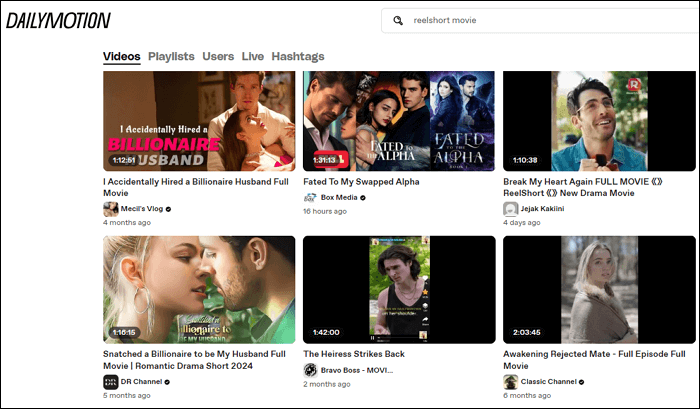
    ReelShort went tighter, setting animated titles beside its live-action library. Shattered Vows, a 2026 ReelShort series running 52 episodes, gets billed as an AI-generated animated motion comic. Its story tracks heiress Vanessa Windsor, who learns that her husband and her best friend helped her sister’s killer escape, and its page lists no cast at all, which is the practical tell for this kind of production. There is a second ReelShort title as well, The Lost Heir, which runs 58 episodes and is likewise an animated motion comic rather than live action. The lead is Arthur Lancaster, who loses his memory saving his brother, grows up on a farm under the name Johnny, and eventually unmasks the foster sister who spent years framing him. Anyone running a search should know that a separate ShortMax series also called Shattered Vows is an entirely different show with a different plot. Neither ReelShort title counts as a token experiment, because both run at full series length.

    Away From the Apps: When the Whole Show Is Generated

    The second movement skipped the app stores entirely. Fruit Love Island is an AI-made vertical micro-drama that parodies the reality dating show Love Island, with anthropomorphic fruit contestants moving into a villa, coupling up and recoupling, complete with a spoof of the Casa Amor twist. Visuals, voice-overs and scripts all came from generative tools, episodes run about two to four minutes, and Forbes compared the look to a children’s CGI-animated film. Viewers voted on contestant choices through Google Forms, a participatory hook none of the commercial apps has equalled. A wider flood of ai fruits snippets had been going around since February 2026, tracked by Know Your Meme to a TikTok account that posted a strawberry’s affair with her eggplant boss, so it did not arrive from nowhere. The growth curve rattled people in the sector, since episode one went up on March 13 or 14, 2026, and by March 22 the account had topped 3 million followers and 300 million views. TODAY documented total views of 214 million by April 6, with episodes averaging more than 10 million each. That show has its own full guide elsewhere in this collection, so the point worth keeping here is tighter: one anonymous account reached app-scale attention with no camera, no cast and no budget anybody can name.

    The Backlash, Taken Apart

    Criticism arrived almost as quickly as the views, and reviewers commonly called the series AI slop. That phrase is doing several tasks at once, and it helps to pull them apart. The first objection is aesthetic, aimed at work that is cheap to churn out and effortless to scroll past. The second is about credit, and comedy creator and voice actor Joy Ofodu told TODAY that the series was likely inspired by her own talking-fruit videos, which points at the awkward fact that generative tools can replicate a style without ever naming the person who invented it. The documented record itself is the third complaint. The original Ai Cinema account has an anonymous and unconfirmed creator, several online names have claimed authorship without evidence, no website has been verified as the show’s official home although several present themselves that way, and copycat accounts began posting copycat episodes within a matter of weeks. Even the chronology has soft edges, because the date of the Season 2 first episode is inferred from the video rather than made public by anyone. Not every reaction was hostile, because Love Island USA’s JaNa Craig and Kaylor Martin engaged with the series and remade clips with human actors, while Season 7 winner Amaya Espinal said she would never watch it.

    Where AI Shows Up, and What Is Actually Verified

    Separating the confirmed from the assumed is most of the work in covering this subject. Below, the table divides the places generated material turns up from the claims pinned to them. People still type ai fruit love island into search boxes months after the villa closed, which tells you how much of the discussion is powered by one show rather than by the apps quietly releasing generated episodes every week. Every line lists only what a named source actually proved.

    Where AI appears Case What is verified
    Most of an app’s new library DramaWave 36Kr reports over 80 percent of newly released output AI-generated, with annualized revenue past $700 million by the second quarter of 2026
    Animated titles within a live-action catalog ReelShort’s Shattered Vows, 52 episodes Described as an AI-generated animated motion comic, with no cast listed
    Animation without a stated AI credit ReelShort’s The Lost Heir, 58 episodes Flagged as an animated motion comic rather than live action
    An entire series made outside the apps Fruit Love Island AI handling the visuals, voice-overs and scripts, with episodes of about two to four minutes
    Authorship of a viral AI series The Ai Cinema account Anonymous and unconfirmed, with several unproven claims of authorship
    Sites claiming to be the official home Fruit Love Island fan and search-optimized sites None verified as official, and knock-off accounts exist
    Publication dates for generated content Fruit Love Island Season 2, episode one Date taken from the video itself, never made public by the creator

    None of this settles whether generated vertical drama is good, and that debate will survive the fruit. The public record does show this much: the form’s cost structure incentivized automation before viewers asked for it, and the apps moved first. The practical guidance for viewers is unglamorous: look at the account handle before you believe an upload, treat fan sites and inferred dates as tentative, and never install an unofficial app or a modified build promising free episodes or unlimited coins. Having spent 2026 proving it can produce attention at scale, the genre leaves an open question for 2027: whether anyone can tell the difference on a phone screen.

  • Righteous Sweats Outfit Ideas A Detailed Overview

    We Are Righteous’s Roadmap for Sizing: Landing on Your True Fit

    There’s no need for guesswork in finding the right size, yet that’s exactly what occurs when shoppers order online lacking a reliable reference point. We Are Righteous built this guide because sizing questions come up all the time, whether a shopper is buying their first righteous hoodie or topping up a wardrobe of righteous clothing staples. Fit affects everything from how a garment drapes to how long it stays in rotation. A shirt that’s too tight under the arms gets pushed to the back of the closet within weeks. A hoodie swimming at the shoulders reads as messy, regardless of how strong the design happens to be. This guide walks through how the brand’s garments are cut, how to measure yourself precisely, and how to compare across categories so you order once and get it right.

    Sizing inconsistency across brands is one of the most common frustrations in online shopping. A medium in one label might fit like a small in another. That’s why we’re addressing it directly rather than presuming customers are already familiar with how righteous apparel runs. If you’re new to the brand, or you’ve already skimmed a righteous review or two before buying, this article still gives you the useful details for choosing confidently the first time around.

    Why Fit Differs Throughout the Righteous Clothing Line

    Not every garment in a collection is cut the same way, and that’s true for most apparel brands, not just this one. While a fitted tee is cut closer to the body for a clean sit on the frame, a relaxed hoodie requires extra room through the chest and sleeves to deliver that oversized silhouette. When you’re shopping the righteous clothing brand catalog, consider thinking about sizing in terms of garment category rather than a single universal chart.

    Heavyweight fleece, for instance, behaves differently than lightweight cotton jersey. Fleece has less stretch, so a https://righteous-clothing.org/shorts-sweatpants/ size that feels snug in a cotton tee might feel restrictive in a heavyweight hoodie made from a similar size label. That’s why the brand provides category-specific measurements rather than one blanket size chart for everything. Depending on if you’re looking at outerwear, tops, or bottoms, these key measurements all shift.

    Shrinkage is another factor worth mentioning. Cotton-heavy fabrics can shrink slightly after the first few washes if not cared for properly, typically in the range of 2-4% depending on fabric composition and wash temperature. The original fit is preserved longer when you wash in cold water and avoid high-heat drying. This is a small detail, but it matters when you’re trying to maintain the exact fit you selected at checkout.

    How to Measure Yourself Before Ordering

    Taking hold of a flexible measuring tape and recording three key measurements solves most sizing headaches at the source. These three areas—chest, waist, and hip serve as the foundation for any well-informed sizing call, and they take less than five minutes to note. Stand naturally, don’t suck in your stomach, and keep the tape close but not constricting against the skin.

    For chest measurement, run the tape around the fullest part of your chest, usually right at nipple level, and keep it even with the ground. The waist is measured at the tightest part of your torso, generally an inch or two above the belly button. Hip measurement wraps around the widest part of your lower body, generally six to eight inches below the waistline.

    Once you have these three numbers, compare them against the individual item’s size chart instead of trusting memory of what size you wear elsewhere. Sizing varies widely from brand to brand, and even within the same brand, cuts vary based on fabric and style. Nothing works better to reduce return rates and get a garment that fits as intended on the first try.

    Understanding Fit Types: Regular, Relaxed, and Oversized Cuts

    Terms describing fit are often applied loosely across the industry, so it helps to clarify what each term means within the We Are Righteous catalog. A regular fit traces the natural contour of the body with a slight ease through the chest and waist, creating a clean silhouette while staying comfortable. Relaxed styles bring extra room throughout, most notably through the body and sleeves, resulting in a more generous drape that still holds its shape.

    The oversized fit—common throughout the righteous hoodie lineup—is purposely sized larger than typical proportions. Shoulder seams sit lower on the arm, sleeves are longer, and the body length extends past the hip. The look is intentional, not a mistake in sizing, so if you order an oversized hoodie hoping for a snug fit, you’ll likely be let down. Checking the product description together with the size chart tells you which fit category you’re dealing with.

    Bottoms follow similar logic. Joggers and sweatpants described as relaxed will have a more generous leg opening and looser seat, while slim-cut styles narrow toward the ankle. Matching your expectation to the actual fit type prevents the most common complaint we see in customer feedback and in any honest we are righteous review: garments that fit differently than the buyer expected because they didn’t check the fit description first.

    Comparing Size Ranges Across Product Categories

    Given that top layers, hoodies, and bottoms are constructed in distinct ways, it makes sense to see how fit tends to change across categories alongside one another. The table below summarizes typical sizing tendencies for the three core garment categories in the existing collection, based on conventional adult sizing from XS through XXL.

    Product Type General Fit Style Chest/Waist Ease Length Behavior
    T-shirts True-to-size 2-3 inches of room at the chest area Standard hip-length hem
    Hoodie styles Roomy 4-6 inches of room at chest Drops 2-3 inches beyond the hip
    Jogger pants Loose 1-2 inches of room at waist Full length with an elasticized cuff

    Seeing it laid out this way makes it simpler to see why a size-medium hoodie might feel looser than a medium tee, despite the fact that both are tagged the same size. Construction and the planned silhouette aren’t the same, and the variation is intentional, not a flaw. If you’re ordering from several categories at once, checking each product’s individual chart still matters, but this comparison offers a starting point before you dive into specifics.

    Frequent Fit Queries From We Are Righteous Customers

    A frequently asked question is whether to size up or size down for a shorter, cropped silhouette on hoodies. If you want the loose-fitting cut to sit shorter on the body, going one size smaller typically does the trick without sacrificing the proportions of the shoulders and sleeves too drastically. Dropping two or more sizes, however, tends to distort the intended drape of the garment, so it’s something we’d advise against.

    A second common query involves layering. Customers who plan to wear a hoodie over a t-shirt or long-sleeve base layer sometimes size up to make room for the extra bulk. This holds up with loose and roomy fits but can look excessive with standard-fit tops, since those are already cut closer to the body. If you intend to layer, account for it when comparing measurements before ordering.

    Shoppers also frequently ask about return and exchange terms, and while full policy details are provided at checkout and in the FAQ section of the site, the core recommendation stands: when in doubt between two sizes, check the specific garment’s finished measurements against your own body measurements rather than falling back on your go-to size. This single habit eliminates the bulk of fit doubt before an order is even placed.

    Last Fit Tips for 2026 Shoppers

    Sizing shouldn’t be a barrier between you and a piece you actually want to wear. A quick self-measurement, a look at the fit description, and a check against the relevant chart clears away most of the uncertainty that causes returns. While the lineup expands with fresh silhouettes throughout 2026, these core ideas still apply regardless of the specific garment.

    Whether you’re creating a complete rotation around we are righteous brand garments or grabbing a solo hoodie to try out the quality and fit, the process is the same: take your measurements first, check against the chart, and consider the designed silhouette before finalizing your size. Fewer returns, better wear over time, and clothes that see real use rather than staying folded up in a drawer — this is what fit confidence leads to.

    Because good sizing guidance turns a one-time purchase into a repeat customer relationship, detailed charts and fit breakdowns are offered instead of general general sizing. Check twice, order once, and the fit will follow.

  • Eric Emanuel Fit and Comfort Guide Camo Shorts Style

    A Look at Where to Score Genuine Eric Emanuel Shorts Online

    Within today’s streetwear, EE shorts have reached highly recognizable status, and this surge in popularity has resulted in a marketplace packed with both legitimate retailers and sketchy sellers alike. The label’s mesh basketball shorts, fitted with a substantial drawstring waistband and trademark embroidered branding, have traveled far beyond the hardwood into daily wear for people who want a designer short with substantial cultural weight. Because demand exceeds availability on a good number of releases, shoppers looking for ee shorts or eric emanuel shorts often find themselves browsing resale sites, unauthorized shops, or marketplaces where there’s no guarantee of authenticity. Knowing where the label really offers its product, and how to spot the difference between a real pair from a knockoff, matters more in 2026 than it ever has.

    This overview walks through the authorized channels for shopping for eric emanuel shorts, what separates men’s ee shorts from kids and youth sizing, and how partnership releases like the eric emanuel bape shorts or eric emanuel yankees shorts fit into the larger EE catalog. We’ll also go over pricing expectations, popular colorways, and the warning signs that indicate a fake ee short before you hand over your money.

    The Eric Emanuel Official Website: Your First Stop

    The most secure starting point for anyone after real ee shorts is the eric emanuel official website. Purchasing straight from the source takes away the guesswork of dealing with third-party sellers, and it’s the only channel where you can be confident every stitch, tag, and drawstring matches what left the factory. The official site generally holds limited drops, meaning in-demand colorways like black ee shorts, white eric emanuel shorts, or the eric emanuel white skyline design can erics shorts sell out within minutes of restocking. Signing up for release notifications is not optional if you’re committed to catching a specific drop rather than making do with whatever is left on secondary markets.

    Aside from the shorts, the official site also offers the ee sweatsuit line, which shares the same heavyweight fleece and embroidered logo treatment as the shorts, making it a natural pairing piece. Browsing the official site first also enables you to gauge real pricing, since resellers often raise costs by 40-60% once a drop sells out. If a third-party listing seems significantly cheaper than the official retail price, that’s usually the first sign there’s an issue, not a lucky discount.

    Official Retailers and Boutiques

    Aside from its main outlet, the label partners with a limited set of approved streetwear shops and multi-brand retailers, both physical and online. These stockists generally stock core colorways rather than the most limited joint releases, but they’re a reliable choice when the official site is sold out. Watch for retailers that plainly show “Eric Emanuel” as a confirmed brand partner rather than merely leveraging the name as a keyword to pull in visitors. Legitimate shops will display sharp, accurate images, precise measurement charts, and exchange terms that a counterfeit seller would refuse to include.

    A frequent error shoppers make is assuming that any major-site listing is safe simply because the platform itself is widely recognized. Searching eric emanuel shorts amazon, for instance, surfaces a mix of listings, a portion from genuine third-party sellers and plenty from operations selling unlicensed reproductions. Unlike a dedicated boutique, Amazon doesn’t verify streetwear authenticity, so treat any purchase there as higher risk unless the seller is a storefront you can confirm on your own as an authorized EE brand partner.

    Making Sense of Sizing: Adult, Kids, and Youth Ranges

    The brand produces different size scales for adult and child wearers, and mixing these up is among the top errors shoppers make. The adult EE short fit consistent with a loose basketball-shorts fit, typically sized S through XXL depending on the drop, with the mesh fabric allowing freedom of movement rather than a snug fit. The kids’ and youth versions employ a scaled-down version of the same silhouette, built for younger frames rather than simply being a smaller adult cut, so reviewing the specific kids’ size chart ahead of ordering is critical.

    Shoppers looking at eric emanuel shorts youth sizing should also plan for a reduced inseam length and a a bit tighter waistband shaping compared to the adult version, since the youth line is proportioned differently rather than just shrunk. As kids and youth drops come in lower volumes than men’s, they disappear from stock quicker and show up less often when restocked, so frequent, patient monitoring of the official site’s kids’ section is often necessary. Don’t assume a kids’ size EE short found on a discount site is legitimate just because the price appears justified for a smaller garment, since knockoff makers also focus on youth sizing.

    Colorways and Collaborations That Stand Out

    One reason behind what keeps ee shorts relevant within streetwear culture is the ongoing rotation of colorways and co-branded releases. Black ee shorts and white ee shorts remain the brand’s core, most reliably restocked options, while combination pieces like black and white eric emanuel shorts or eric emanuel shorts black and red disappear from stock sooner due to their attention-grabbing look. Blue eric emanuel shorts have also become a recurring seasonal favorite, often released in varying navy tones according to the release cycle. Camo ee shorts stand as one of the brand’s more print-heavy releases, attracting buyers who want something visually distinct from the standard solid colorways.

    Collaborative releases bring an extra layer of appeal and intricacy overall. The eric emanuel bape shorts, born from a partnership between EE and the Japanese streetwear label, blend Bape’s signature camo motifs with Emanuel’s basketball short construction, making bape ee shorts among the most in-demand and widely faked items in the entire catalog. Sports-licensed drops like the eric emanuel yankees shorts and pieces referencing the eric emanuel knicks partnership link the brand straight to pro sports fan culture, giving them crossover appeal beyond typical streetwear shoppers. Such licensed pieces tend to fetch higher resale value precisely because they merge two fanbases, sneakerhead-adjacent streetwear collectors and sports jersey collectors, into a unified pool of buyer demand.

    Recognizing Fake EE Shorts

    Given how the brand’s popularity draws in counterfeit sellers, learning to identify real ee shorts before purchasing safeguards your money as well as your resale options down the line. Genuine pairs use a specific embroidered logo placement, consistent stitching density along the waistband, and a mesh fabric weight that feels substantial rather than thin or flimsy. Searches for erik emmanuel, erica emanuel, edward emanuel shorts, or eric manuel clothing tend to bring up fake listings that deliberately use misspelled versions of the brand name to evade trademark enforcement and search algorithms, so view any misspelled listing as a clear red flag right away.

    Authentic eric emanuel shorts true to the original factory specs will likewise feature consistent interior tagging, a drawstring of the correct cord thickness, and color saturation matching official product photography instead of appearing washed out or too bright. If you’re ever unsure whether a specific pair marketed as an “ee eric emanuel shorts” listing is genuine, comparing it side-by-side against official site photography, particularly around logo embroidery and hem stitching, is the fastest verification method available to an average buyer without professional authentication tools.

    How EE Shorts Measure Up Among Purchase Channels

    Where to Buy Trust Level for Genuine Goods Cost Against Retail Selection of Colorways
    Eric Emanuel Official Website Greatest possible Standard retail Complete latest drop, limited restocks
    Certified Authorized Boutiques Solid Standard to slightly above retail Essential colorways, scarce exclusive releases
    Large Online Marketplaces Variable, seller-dependent Often inflated or suspiciously low Uneven stock, tainted with counterfeits
    Resale and Reseller Platforms Moderate, verify listing history Markup of 30-100%+ Broad, covering no-longer-available drops

    Buying Tips to Close Out for 2026

    In 2026, the smartest strategy remains the same whether you’re after a classic pair of basketball shorts eric emanuel devotees have worn for years, or a particular collaboration such as the bape ee shorts: begin at the official website, turn to verified authorized retailers as needed, and treat any dramatically discounted listing with caution. Designer shorts at this price point and cultural profile will always attract counterfeiters, so slowing down to check stitching, tagging, and the seller’s authenticity before purchasing spares you both money and disappointment.

    In the end, the ee brand has forged its name on quality construction and cultural relevance, from the ee short silhouette itself to standout releases like the eric emanuel yankees and eric emanuel knicks collaborations. Buyers who take the extra few minutes to verify their source, be it for men’s ee shorts, eric emanuel shorts kids, or a specific colorway like camo or blue, end up with a product that genuinely represents the craftsmanship the brand is known for, rather than a copy that wears out after a few wears.

  • Discover Short Dramas TV Everything to Know

    Eight Queries, Three Sorts of Answer

    In a genre whose apps are all named after the same three words, it is unfortunate that search in the app stores stays rigid about spelling and forgiving about everything else. One wrong letter carries you somewhere else entirely, since half the names in vertical drama amount to a compound of short, reel, drama and TV. The format is microdrama in industry coverage and short drama in store listings for the most part, which is Not the Bride He Wanted short drama why generic two-word queries wander so far. Three groups account for the queries below. One finds a crowd, some find nothing at all because the name was never real, and some find a real app that is not the one you meant. All of them are fixable in about thirty seconds.

    Searches That Land on a Real, Unrelated App

    The most confusing group is this one, because the search appears to succeed. There appears something with roughly the right name, with a store page, installs and screenshots. Nothing in the listing flags that you have landed in the wrong place. The developer field is the only reliable tell, and almost no one reads it, though it cannot be copied casually. Install counts are helpful as well, because the leaders in this category are in the tens or hundreds of millions. Regularly, three queries land here, and each has a genuinely existing app at the end.

    “reel box” and “reelbox tv”

    These two are the reason this article exists. A real Android app from CAIHONG TECH LIMITED in Hong Kong, ReelBox shows more than 50,000 recorded installs on its listing. That is respectable for a small independent release and little more than a rounding error next to the category leaders. It has no connection to ReelShort, and no connection to DramaBox either, whatever the name suggests. There is a minor comic twist in the listing as well, since the app’s own description refers to itself as Real Box. So a search built on a half-remembered brand reaches an app that partly misremembers itself, when the target was ReelShort.

    “daily short”

    This query is different, because DailyShort genuinely exists and is genuinely what some people want. Imagemap Exploration is the publisher, and the listing shows upwards of 100,000 Android installs. The iOS side is the more revealing one, showing only about 31 ratings in total on its App Store page. Such a small count means few people have spent long enough with it to form an opinion, which is worth knowing before you pay. The phrase, written as two words, is also a generic description of any app serving one short episode a day. If you saw the name somewhere specific it is probably the real DailyShort; if you invented it, you were describing the category.

    “goldshort”

    Here the search engine is technically right and practically unhelpful. The search returns exactly one match, an Android TV app called GoldShort TV from GOLDBRID LLC. It carries upwards of 10,000 installs and was last updated in September 2025, one of the smallest names in the category. Nothing is wrong with it, but the chances that a given searcher meant it are very low. Far more likely, the query is a mistyping of GoodShort, an app with tens of millions of installs. One letter separates gold from good, and it is not a letter anyone looks at twice.

    Searches That Find Nothing At All

    The second group resolves more easily, although it frustrates people more in the moment. What you have here are names that were never attached to any app, since they are how a real brand sounds rather than how it is spelled. A search returns unrelated results or a scatter of loose matches, and the natural conclusion is that the app was pulled. It was not. The app never had that name, and hearing it out loud has quietly rewritten the spelling in memory. Three of these turn up again and again, and each has a single right answer hiding behind it.

    “realshort” and “real short”

    No app by the name Real Short exists, in either spacing. The intended target is ReelShort, one word, from Crazy Maple Studio in Sunnyvale, California. The mix-up is completely understandable, because reel and real are indistinguishable by ear in most American accents. Having heard the name recommended rather than read it, a person has no way to guess which spelling is correct. The fix is the spelling alone, because everything else about the search is already right. Getting it right matters, because misspelled searches are exactly where copycat pages like to place themselves.

    “dreamwave” and “dream wave”

    This is a plain substitution of one familiar word for another. No app named DreamWave came back from store searches, and so the query has no legitimate target to land on. What is meant is DramaWave, published by Skywork AI Pte. Ltd. and launched in September 2024. Three letters and a rhythm are shared by drama and dream, and dream is the far more common English word, so both memory and autocorrect push the same way. If a result does come back calling itself DreamWave, check the listing for Skywork AI before you trust it.

    “good shot”

    The last of the phantom searches is nothing but autocorrect. Good Shot is nothing in this genre, and a phone that has never met the word GoodShort will cheerfully supply one it knows. The app meant here is GoodShort, whose App Store seller is Singapore New Reading Technology Pte. Ltd. and whose Google Play developer name is listed as GoodNovel. Its Google Play listing shows more than 50 million recorded installs, which puts it in the upper tier of the category. Typed as two words, the query mostly returns results about photography and sports, which is a reasonable sign that you have wandered off.

    The Search That Returns Too Much

    The opposite problem is the final category. Instead of one wrong result or none, you get a queue of apps carrying nearly identical names, all real, all from different companies. Nothing in that is illegal, as a generic pairing of common words is hard to protect in store search. As a result the developer field stops being a detail and becomes the whole means of identification. Install counts thin the crowd fast, because the established app of the pair sits far above the rest. The pile-up comes from one query every time.

    “short max”

    Written as two words, this reaches ShortMax, which is what most people searching want. The complication is a cluster of unrelated look-alikes trading under the ShortTV name, which shares a family resemblance and, often, a shared results page. ShortTV: Watch Drama Shorts comes from HUNG LAM INVESTMENT AND CONSTRUCTION JSC with more than one million Android installs, enough to look convincing. Short TV – Drama & Shorts comes from BullFX, while on iOS a separate app called Shortv comes from Instant Shadow Limited. None of the three has any connection to ShortMax. Before tapping install, read the developer line, because the icons and titles will not tell you apart.

    Typed, Found, Actually Wanted

    The table pulls every query in this article into one view. The left column is what people actually type into a store or a search bar. The middle column reports what genuinely exists under that name, from store listings checked in 2026. What they were almost certainly hunting for appears in the right column. Install counts appear where they help, and where the middle column says nothing exists, that is a result rather than a gap in the research.

    What gets typed What actually exists What they probably meant
    “reel box”, “reelbox tv” ReelBox, published by CAIHONG TECH LIMITED, Hong Kong, 50K+ installs, unrelated ReelShort
    “daily short” DailyShort from Imagemap Exploration, 100K+ installs, about 31 iOS ratings DailyShort itself, or any app in the short drama genre
    “goldshort” GoldShort TV from GOLDBRID LLC, Android TV, 10K+ installs, updated September 2025 GoodShort
    “realshort”, “real short” Nothing exists under that name ReelShort
    “dreamwave”, “dream wave” No app under that name DramaWave
    “good shot” Nothing in this genre, and mostly unrelated results GoodShort
    “short max” ShortMax, plus unrelated ShortTV-named apps from HUNG LAM, BullFX and Instant Shadow Limited ShortMax

    The Thirty-Second Check That Ends This

    Each mix-up above survives only until someone reads the two lines on a store page. Line one is the developer or seller field, and it is the one part that has to be accurate. Line two is the install count, and it separates a hundred-million-install brand from a namesake holding ten thousand. Together those two lines resolve all eight queries here with no further research. Nothing here suggests the small apps are bad, because a modest install count means a modest audience, not a fault. The real cost of a wrong search is paying for a subscription you never intended to find.