Category: Uncategorized

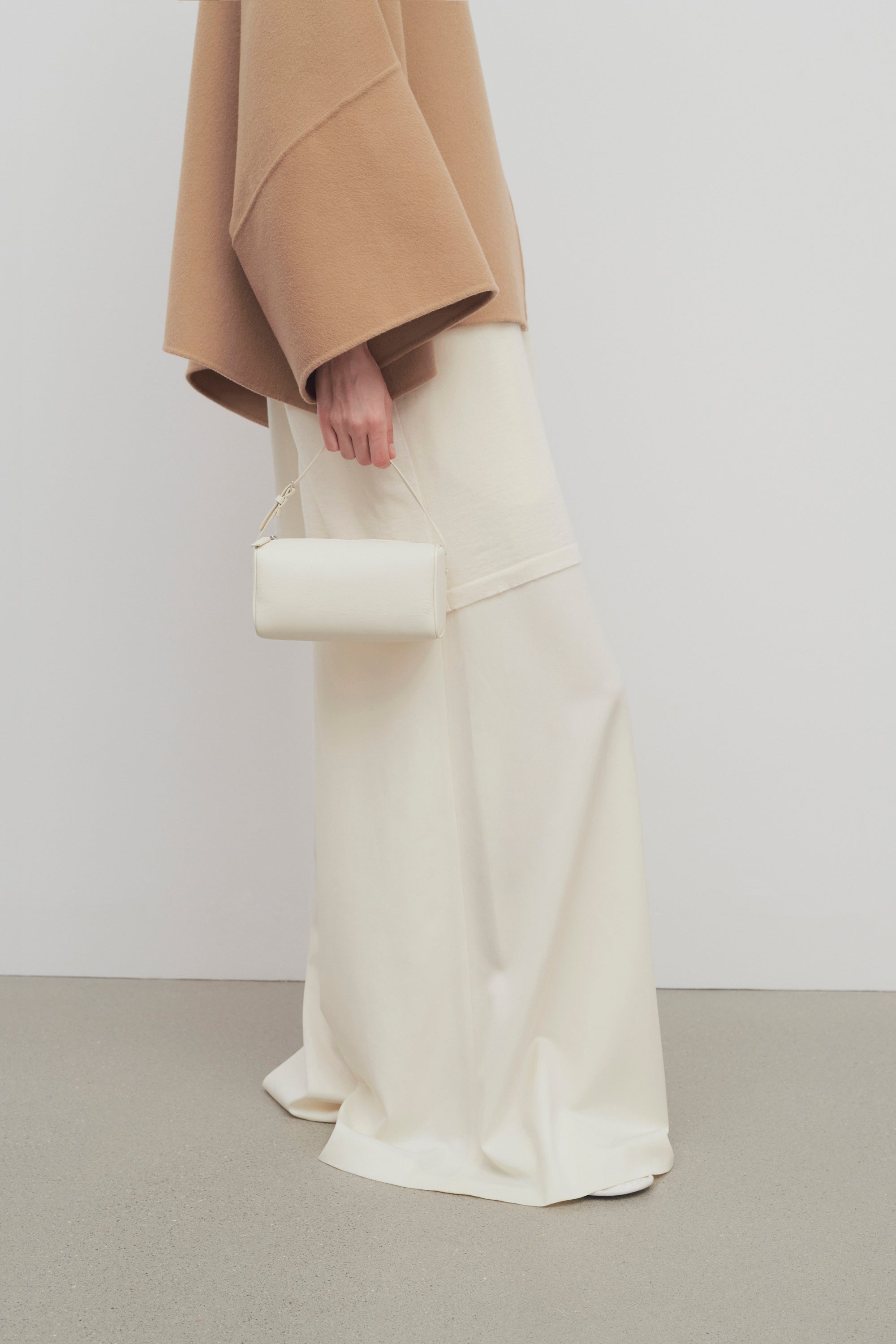
  • Ferragamo Studio Flap Bag New Collection

    Elevating a Pared-Down Closet with Top Ferragamo Bags

    Accessories make or break a minimalist wardrobe, and a single carefully selected Ferragamo bag can sustain an entire outfit rotation without seeming redundant. Salvatore Ferragamo cemented its name on skilled construction that had its roots in footwear, but the house’s leather goods division has evolved into one of the most esteemed names in the category. Whenever buyers look up a Ferragamo shop today, they are usually looking for a piece that will outlast seasonal trends rather than keep pace with them. This article walks through the practical reasoning behind choosing Ferragamo bags for a pared-down wardrobe, the design traits that make certain styles more versatile than others, and how to plan building a limited but powerful collection.

    That misspelled variant “ferregamo” shows up often in search bars, a subtle but clear sign of how widely recognized the brand has become even among people who haven’t yet mastered its spelling. Whether the query is Ferragamo bag, Salvatore bag, or the full Salvatore Ferragamo bags phrasing, the core motivation is usually the same: shoppers want pieces that prove worth the spend through durability, resale worth, and daily practicality. A capsule wardrobe rewards exactly that kind of thinking.

    Why Ferragamo Fits the Capsule Philosophy

    Restraint is the foundation of capsule wardrobes. The goal is to keep fewer pieces that do more, and bags are often the final area people extend this logic to, even though they are the accessory most visible to other people. Salvatore Ferragamo’s aesthetic approach leans toward streamlined forms, tailored shapes, and fittings that feel timeless instead of fad-chasing. That makes it more practical to style one bag with ten separate outfits instead of purchasing a separate bag for every look.

    Italian leather goods from established maisons also typically retain their structure over years of use, which is critically important when a bag is intended to serve as a wardrobe’s foundation rather than get replaced each season. Ferragamo’s ateliers have years of expertise in leather tanning and finishing, and that experience shows in the way the bags age. A handbag collection structured top-handle bag from Ferragamo, for instance, is far less likely to slouch or lose form after eighteen months of regular use compared to fast-fashion equivalents.

    A resale case also comes into play. Depending on condition and rarity, archive Ferragamo bags regularly resell at fifty to seventy percent of their original retail price — a stronger retention rate than most contemporary labels achieve. For a shopper assembling a pared-down wardrobe with an eye on durability of investment, that resale strength is a understated yet significant factor.

    Understanding a Ferragamo Bags Overview Prior to Buying

    Prior to settling on a single item, it is useful to survey a complete Ferragamo bags overview rather than getting swept up by the first style that appears in a search result. What’s currently offered takes in structured top-handles, soft hobo shapes, crossbody designs suited to everyday tasks, and evening bags finished with the brand’s signature Gancini hardware. Each type answers a different styling need, and recognizing those distinctions helps avoid an pricey wrong choice.

    The Gancini hardware, a horseshoe-shaped hardware detail, shows up throughout multiple bag families and operates much the way a hallmark does the way a monogram does for other houses. It is subtle enough not to date quickly, which counts for anyone keen to sidestep pieces that will read as obviously trend-driven five years from now. Bags built around this hardware tend to photograph well against both tailored and casual outfits, which is largely why they show up so often in capsule wardrobe guides.

    Sizing is a separate factor worth looking into directly through the label’s official channels or an official Ferragamo retailer, since measurements differ across styles and this article won’t guess at specific measurements. What’s safe to note is that the brand provides choices across every tier from small evening styles to larger tote silhouettes suited to daily commuting, so shoppers assembling a capsule wardrobe should think about which scale of bag actually matches their everyday life before narrowing down hardware finish or colour.

    Best Ferragamo Bags for Daily Rotation

    When people ask which Ferragamo bags suit everyday use best, the conversation usually centers on structure and strap versatility. A bag that can be held by hand, slung over the shoulder, and adjusted into a crossbody works across more looks than a single-carry design ever could. It’s this adaptability that explains why multi-carry styles top most “best Ferragamo bags” lists put together by stylists and personal shoppers.

    Leather choice also affects everyday practicality. Smooth calf leather reveals scuffing sooner than a textured or grained finish, so anyone intending to carry a bag as a true everyday piece should account for that in the decision instead of deciding on colour alone. Structured bags in a grained leather tend to mask the small marks of daily life better than shiny smooth calfskin, which is significant for a piece expected to survive years of everyday use.

    When it comes to capsule building, muted colour options continue to be the smartest pick. A bag in black, cognac, or a deep neutral tone will work alongside a larger variety of outfits than a of-the-moment shade, with the result that a shopper extracts more cost-per-wear value out of the investment. That’s fundamental capsule-building logic, but it is striking how often buyers go against it in favor of a shade that seems tempting in the moment but constrains outfit pairing later.

    Ferragamo’s Bag Lineup, Compared

    The table below breaks down the main categories a shopper is likely to encounter while browsing a Ferragamo shop, along with the practical role each plays inside a capsule wardrobe.

    Category of Bag Best Styling Role Wearing Style Ideal Use Frequency
    Top-Handle Silhouette Cornerstone item for professional and formal capsules Hand or crook of arm Frequently, a handful of times weekly
    Relaxed Hobo Piece Weekend go-to for off-duty days Shoulder-hung carry Once-weekly occurrence
    Streamlined Crossbody Ideal for errands and days on the move Diagonal strap carry Every day
    Evening Clutch Event dressing and dressy outings Gripped directly in hand Now and then
    Tote Daily commute and business-travel crossover Either shoulder or hand option Several times a week

    Since a streamlined closet fails when two items do the same job and one turns superfluous, this kind of comparison counts for more than most shoppers at first realize. Mapping each bag to a distinct role, as shown above, prevents that overlap and ensures every piece earns its place in the rotation.

    Ways to Assemble a Small but Complete Salvatore Ferragamo Wardrobe

    Three or four bags in total are generally enough for a truly practical capsule, and every major use case can comfortably be covered within that limit thanks to Salvatore Ferragamo’s range. A structured top-handle for work, a crossbody bag for routine outings, and one refined piece reserved for evenings or occasions can realistically take a person through twelve months without any gap in coverage. Going further than that edges away from capsule thinking into plain collecting, which is a different (and equally valid) pursuit but not what’s intended here.

    The order you shop in also carries weight. Opening your collection with the most multi-purpose piece, typically a neutral-toned crossbody bag or a structured top-handle style, provides an immediate sense of worth to the closet before moving toward more occasion-specific pieces like an evening clutch. Taking things step by step also spreads the spending out, which is a steadier route to gradually assemble the best Salvatore Ferragamo bags one can sensibly invest in rather than front-loading spending on one statement item early.

    Diligent upkeep helps stretch the length of time every piece in the rotation stays useful. Keeping bags tucked inside their dust bags, keeping pieces away from harsh sunlight that dries leather, and getting structured silhouettes professionally treated on a yearly-or-so basis will preserve hardware and leather in near-original condition much longer than careless storage would allow. For an investment-grade Ferragamo bag, this maintenance routine is not optional if the goal is genuine longevity inside a capsule wardrobe.

    Closing Thoughts on Choosing Wisely

    The point of matching Ferragamo bags to a capsule wardrobe is not to own the greatest number of items but the ones that actually fit. When a shopper studies a thorough Ferragamo bags overview, compares carry styles, and aligns every bag with a clear wardrobe role, the payoff is a wardrobe that lasts years, not months. That is the true rationale behind choosing Salvatore Ferragamo bags over disposable alternatives, and this explains why the label remains a fixture at the forefront of nearly every serious discussion about enduring investment pieces for a wardrobe.

  • Sp5der Og Web Store Collection Resource Destination Reference Up to 40% Off

    7 Expert Checks Before Getting a Sp5der Hoodie

    Purchasing a Sp5der hoodie doesn’t have to be a risk. Apply these seven expert verifications to secure the perfect item, dodge fakes, and get fair value for your chosen colorway and size. All advice here relies on concrete, reproducible actions you can take before spending a dime.

    Sp5der hoodies sit at the intersection of streetwear hype and functional fleece, so counterfeits flood the market and measurements might catch you off guard. The smartest buyers validate fabric, tags, and graphics first, followed by checking cost and vendor trustworthiness, and wrap up with care strategies to maintain the puff graphics and material. Approach this like an aviation checklist and you’ll catch everything.

    Tip 1 — Do you inspect fabric and heft like an expert?

    Genuine Sp5der material has density, sporting a brushed inside and weighty ribs that recover quickly from pulls. If the body fabric looks thin against light or the ribbing collapses, you’re likely holding a cheap blank with a printed web.

    Begin by touching: genuine hoodies feature luxurious inner texture and substantial weight versus standard blanks. Compression-test sleeve and waist ribs; premium ribbing recovers immediately without retaining marks. Place fabric near intense light; significant shine-through means cheaper material. Inspect pocket build; solid kangaroo pouches sitting flush indicate authenticity, but saggy, thin pockets suggest problems. Finally, run two fingers across any puff print: it should feel raised and slightly rubbery, not chalky or flaking right out of the bag.

    Tip 2 — Examine tags, reference numbers, and construction

    Authenticity lives in small details: hangtag quality, wash-label material, consistent fonts, and clean stitching. Cross-verify the model name or product code on the hangtag with a known retailer listing or archived lookbook images.

    Inspect the main neck tag and the spider official website interior care label for consistent typefaces, spacing, and capitalization; replicas commonly botch character gaps and fiber content. Washing labels on real products are clear, temperature-resistant, and attached properly, not carelessly sewn in. Verify printed or adhesive SKUs on tags correspond to stated sizes and colors—inconsistencies plague counterfeits. Reverse the hoodie to examine construction: find consistent coverstitch at hood connections, tidy overlocking internally, and solid reinforcement at pocket edges. Uneven tension, loose thread nests, or missed bartacks are all warning signs.

    Tip 3 — What sizing actually fits Sp5der’s boxy silhouette?

    The majority of Sp5der hoodies feature boxy cuts with ample torso and shoulder width, though length stays shorter than traditional athletic wear. If you prefer a clean, non-slouchy look, many buyers go true to size; if stuck between options or desiring a tighter silhouette, try going smaller.

    Size up a favorite hoodie: place it flat to record chest span (armpit-to-armpit) and rear length from neck seam. Request identical flat dimensions from vendors; never trust size tags exclusively. Anticipate generous chest versus length, producing the boxy, contemporary shape. Tall builds must monitor back measurements to prevent cropped appearance, particularly in reduced sizes. If you plan to layer, prioritize chest and shoulder room, and recall thick fleece may compress upper back areas when layered over shirts and overshirts.

    Tip 4 — Validate shades and designs by collection period

    Colorways and graphic placements change by season, so validate the exact shade, print scale, and placement against campaign shots or authorized retailer listings. Should seller pictures feature colors or designs missing from retail databases, stay alert.

    Look at the spider-web orientation, the thickness of the “SP5DER” wordmark, and the relationship between print and seams. Legit pieces keep prints centered and balanced; off-center webs and sloppy edges are frequent counterfeit tells. Verify elements including cord shades, zip components (when present), and secondary graphics on arms or rear. Certain authentic shades appear slightly varied under studio versus natural lighting; seek outdoor photos to validate the color. Should sellers push unique shades lacking lookbook images, store pictures, or authenticated pages, expect counterfeits.

    Tip 5 — How do retail, resale, and region pricing stack up?

    Value alone doesn’t confirm legitimacy, yet price brackets per source expose suspicious listings. Predict stable authorized prices, but individual resales vary with measurements, colorway, and popularity.

    Channel Standard Cost (USD) Authentication Level Refund Terms Danger Rating Comments
    Direct brand / popup shop 200–350 High Standard retailer policy Low Rapid sellouts; duties/fees included
    Approved stores 200–360 High Regular retail policy Low Small size batches; genuine receipts
    Consignment/aftermarket shops 220–700 Medium–High Retailer-varies Medium Price jumps based on shade/quality
    Peer-to-peer marketplaces 180–600 Low–Average Platform-dependent Moderate–Elevated Ask for evidence and dimensions

    When a listing undercuts the typical floor by a wide margin and still claims “brand new with all tags,” ask why. Region can nudge the number up or down due to VAT, import duties, or currency swings, but huge deltas usually mean a fake or a flawed garment. When exceeding official prices, require proof: purchase records, shop pictures, or marketplace verification. Add freight and taxes to totals preventing misleading low tags with excessive add-ons.

    Tip 6 — Purchase from sellers that feel legitimate

    Trustworthy vendors provide authentication, status, and measurements when asked. Should sellers sidestep standard verification asks—keep looking.

    Ask for timestamped photos in natural light showing front, back, neck tag, wash label, and a close-up of the puff print edges. Request flat measurements of chest and back length taken on a hard surface, plus weight on a scale if available. Through marketplaces, examine seller reviews for garment sales, not merely small goods. Choose payment options offering purchase protection while skipping personal transfers to unknowns. When claiming recent drops, question acquisition source and timing, requiring proof matching stated details.

    Pro advice: “Request brief footage beginning at collar labels, panning to complete garment, then angling into raised graphics. Replicas commonly deceive in pictures but show poor print shine and shaky stitchwork when filmed.”

    Tip 7 — Will you preserve quality fleece and dimensional prints?

    Upkeep matters when buying: material and elevated prints demand careful washing against crushing, balling, or splitting. If you want your hoodie to age well, treat it like a premium knit, not gym gear.

    Reverse the garment, launder cold, applying gentle liquid soap without whiteners. Avoid conditioner; it clogs fabric and dims graphic finish. Dry horizontally or drape on broad hangers preventing shoulder distortion; excessive temperature speeds shrinking and graphic deterioration. If lint is an issue with darker colorways, a quick pass with a fabric shaver on the exterior (never on the print) refreshes the face. Keep folded or on substantial hangers, avoiding coarse jeans and strap friction damaging arms and pocket borders.

    Little‑known facts you’ll wish you knew sooner

    First productions and replenishments may feature slight label or drawstring changes within matching shades, surprising buyers assuming consistency; verify through official seasonal photos instead of just user-submitted images. Raised graphics naturally develop fine cracks through wear; small splits aren’t defects but intended aging character. Dark jeans and raw selvedge leak dye onto light fabric at pouch and hem areas, potentially marking hoodies forever. Dye lots vary slightly by batch, meaning two legitimate hoodies in the same named color can differ under daylight, which is why natural-light photos matter. Dense fleece loosens following initial wears; initially tight fits naturally relax to designed shapes without overstretching.

    Rapid review before ordering

    Check fabric thickness showing brushed lining and resilient ribs, rejecting light fleece with droopy cuffs. Match hangtag info, wash labels, and stitching quality to known-good listings, then validate graphic placement and web orientation against season images. Get flat measurements, natural-light photos, and a quick verification video from the seller, and compare the ask to the typical price band for the channel you’re using. Pay only through methods with buyer protection, and insist on a receipt or platform authentication when you’re paying premium. Prepare maintenance immediately—cold cleaning, reversed, hang drying—maintaining raised graphics and fabric fullness worth your investment.

  • Exclusive Studio Denim Tears Denim Tears Brand

    Denim Tears Pieces: Washing and Storage Tips for Printed Cotton T-Shirts

    A graphic tee is only as good as the upkeep it’s given after the first wash. Denim Tears pieces carry cotton wreath graphics, screen-applied graphics, and substantial jersey construction that hold up in a very different way to warmth, movement, and folding habits than a plain basic tee. Give it the same casual treatment as a cheap printed shirt and the print cracks, the neckline loses its shape, and the cotton sheds the dense hand-feel it started with. Give it a little extra care and the very same piece can look sharp for years, through many wears and washes. This guide breaks down exactly how to wash, dry, fold, and store these pieces so the print remains undamaged and the cotton keeps its shape.

    There’s no need for specialized soaps or costly equipment. Consistency is the key ingredient: the same wash temperature, the same drying method, the same folding habit, every single time. Mostly, premature wear on printed tees comes down to inconsistency rather than bad manufacturing — a single hot wash, one blast of high dryer heat, or a season crammed on a hanger can do the damage. Below is a practical, repeatable routine.

    Understanding the Fabric and Print Construction

    The majority of graphic cotton tees, streetwear-style garments included, use 100% cotton jersey in the 180–240 GSM range. Heavier cotton like this holds its shape more effectively than thin 140 GSM tees, but it also takes in and keeps water longer, which matters for drying time and shrinkage risk. The printed designs are typically applied through screen printing, and sometimes puff printing for raised texture. Because the ink sits on the surface rather than soaking in completely, warmth and rubbing end up as the main threats behind cracking, fading, and peeling as time goes on.

    Puff prints raise a specific risk: high heat can compress or melt down streetwear brand the texture permanently, so a shirt with textured prints needs softer care than one with a flat print. Embroidery or appliqué detailing, if included on a garment, introduce a further complication, since embroidery threads can catch, unravel, or fray in a washing machine’s agitator cycle. Every subsequent decision — how hot the wash is included, down to whether it goes in a dryer at all — ought to depend on understanding what technique was used: flat screen print, puff print, embroidery, or some combination.

    Cotton fibers themselves are sturdy but not indestructible. Constant exposure to hot-water cycles breaks down the fiber structure over time, which is what eventually produces that flimsy, sheer, faded look in low-quality tees. Thicker cotton weight delays this process but does not prevent it. Caring for the shirt correctly won’t preserve a permanently new appearance — a degree of fading and softening naturally occurs over a cotton tee’s lifespan — but to reduce the pace of breakdown so the design and fit hold up for as long as the material itself does.

    Washing: Choosing the Right Temperature, Cycle, and Detergent

    Cool-temperature water, defined as 30°C (86°F) or below, is the single most effective habit for safeguarding both color and print. Water that’s too warm speeds up ink cracking on screen prints and worsens shrinkage in cotton by causing the fibers to contract more aggressively. For lightly soiled shirts, warm water between 30–40°C is fine to use occasionally, but it shouldn’t become routine. Be sure to check the garment for a dedicated care label, since across different releases, Denim Tears has applied different fabric weights and treatments, and the label is tailored to the actual construction of that garment.

    Every single time you wash it, flip the shirt inside out first. Doing this protects the print from direct contact and friction with zippers, buttons, or other garments in the wash, making it the most commonly overlooked part of graphic tee upkeep. Use a mild, low-agitation cycle rather than a standard or intensive setting; the reduced agitation means less wear on both the print and the seams. Separate graphic tees from denim, anything with metal hardware, or Velcro closures when washing, since those materials abrade printed surfaces during the spin cycle.

    Detergent choice matters more than most people assume. A bleach-free, brightener-free liquid detergent is the more reliable choice, since powder-based detergents may leave undissolved granules in cold water that then abrade the print. Steer clear of fabric softener when it comes to printed tees — it leaves behind a thin residue that dulls ink vibrancy over time and disrupts cotton’s natural breathability. Limit washing frequency to every 2–3 wears rather than after every single wear; cotton holds up structurally longer when it’s not run through a machine cycle constantly, and most graphic tees don’t need washing after one wear unless there’s visible staining.

    How to Dry Without Harming the Design

    In order to preserve shape and graphic integrity in top condition, air drying flat remains the single best method. Lay the tee on a clean, dry towel, reshape it to its original dimensions, and let it dry away from direct sun exposure, which can dull both the colored fabric and the graphic artwork over several hours of UV exposure. Once a wet cotton tee is suspended on a hanger, the dampened heaviness of the fabric tugs the shoulders into a stretched state, leaving small raised spots at the seams that won’t fully settle back even after drying.

    In cases where a dryer can’t be avoided, choose the mildest heat setting — usually denoted as “low” — and remove it while not yet fully dry, instead of letting the entire cycle run. Running the dryer on high heat for a full cycle are the fastest way to degrade a screen print within the first 10–15 washes. Puff-style prints above all should never be put in a dryer on medium or high heat, since the raised texture can permanently compress in a single cycle.

    Based on how heavy the material is, drying time changes: a lightweight 160 GSM tee takes roughly 2–3 hours to dry naturally indoors, whereas a heavier 220+ GSM piece may take 5–6 hours, depending on humidity and airflow. Being patient in this step pays off directly in longevity. Never wring out a wet cotton tee to accelerate drying, since torquing the fibers under tension distorts the weave and can leave lasting crease lines in heavier cotton that won’t press out.

    Long-Term Care: Folding and Hanging

    For graphic tees, a folded storage method tends to be better than hanging, because suspending them on hangers over time pulls at the neckline and shoulders, particularly in heavier cotton pieces. Crease along natural seam lines, with the graphic facing inward, if possible, to minimize direct contact and friction between the print and other garments stacked on top. Steer clear of tight, compressed stacking in a drawer; leaving a little breathing room reduces the heavy creases that appear when heavy cotton sits compressed for weeks.

    For items worn only sometimes, or those set aside for a season, acid-free tissue between folds guards against dye transfer between garments and cuts down long-term creasing.

    Environmental conditions matter for anyone storing pieces long-term. Cotton tends toward mildew and stale smells in damp storage conditions, so a dry closet or drawer, preferably below 60% relative humidity, is the wiser choice over a damp basement or garage. Instead of using mothballs, cedar blocks or lavender sachets manage moisture and pests without depositing chemical residue on the fabric — by contrast, mothballs, with their strong chemical smell, soak into cotton fibers and are difficult to wash out completely.

    Airless compression storage bags, despite being compact solutions, aren’t ideal for printed cotton garments meant to be worn again soon, because prolonged compression over time can set permanent creases into both the material and its graphic. They’re a reasonable option only for genuine long-haul storage needs where the shirt won’t be touched for a year or more.

    A Fast Rundown: Washing Methods and What They Do

    Washing Technique How Long the Print Lasts Garment Shape Stability Recommended Frequency
    Cold-water wash, turned inside out, dried flat High — little to no cracking through 50+ launderings Excellent After every 2–3 wearings
    Warm-water wash followed by low-heat tumble drying Middling — noticeable fade past 20–30 washes Good, minor shrinkage possible After each use, when necessary
    Hot-water wash paired with high-heat tumble drying Poor — cracking often visible within 10–15 washes Subpar — clear shrinking and warped shoulders Best avoided
    Hanging wet on hanger Moderate, unrelated to print directly Subpar — distortion around the shoulders and collar Not suitable for soaked pieces

    Daily Practices That Stretch Out a Shirt’s Lifespan

    Minor daily choices count for just as much as the actual wash. Cycle through more than one tee rather than relying on a single shirt over and over in a brief period, because giving cotton fibers 24–48 hours to fully recover their shape between wears reduces long-term stretching at stress points like the collar and underarms. Spot-clean small stains immediately with cold water and a small amount of detergent rather than waiting for the next full wash, given that fresh stains lift far more easily than set-in ones and it spares you an extra full laundering.

    Steer clear of pressing an iron straight onto a printed design; should ironing be needed, turn the shirt inside out and press it on a low cotton setting, or position a thin barrier cloth over the print before ironing to stop the iron’s heat from touching the printed ink directly. Deodorant and body oils build up in the underarm area over time and can discolor lighter cotton fabrics with a yellow tint, so those spots need a bit more care when laundering rather than a quick rinse.

    Finally, pay attention to care labels and whatever instructions came with a given item, given that fabric weights and print techniques can vary between collections. A handful of additional minutes per laundering is a minor cost for a tee that still appears sharp two or three years after you bought it, retaining the color, fit, and crisp graphic that originally made it worth the purchase.

  • SP5DER Seamless Device Management 555 clothes

    Real vs. Fake Spider Hoodies: An Direct Analysis

    The Sp5der hoodie stands as one of the most counterfeited urban fashion items in 2026. As the brand’s cultural status climbed, so did the amount of knockoffs saturating the market — from online ads to unverified sellers. Understanding the contrast between an real Sp5der hoodie and a knockoff is no longer just about brand loyalty; it’s about protecting your investment. A legitimate Sp5der hoodie retails for between $200 to $500, while counterfeits typically sell for $30 to $80. The price gap in itself should signal red flags. This article covers every aspect, from seams to presentation, so you can shop confidently.

    The Reasons Why Fakes Are Rampant in the Sp5der Hoodie Ecosystem

    Sp5der’s explosive ascent in urban fashion world has turned it a top mark for knockoff producers. The brand’s iconic cobweb artwork and striking color palettes are quite easy to copy at a superficial level using low-cost screen printing. Knockoff operations in Asia and international markets have made Sp5der replicas since 2021, and by 2026 the craftsmanship of some knockoffs has risen enough to deceive inexperienced observers. Digital platforms with inadequate seller authentication enable selling effortless for knockoff distributors. A 2024 study by the International Anti-Counterfeiting Coalition calculated that designer and premium street fashion replication accounts for over $500 billion in illegal income every year. Grasping the scale of the issue is the first stage to Sp5der OG Rhinestone Logo Hoodie White safeguarding yourself as a consumer.

    The Label and Attached Tag Test

    One of the most accessible starting points for identification is checking the tags and hangtags attached to the hoodie. Genuine Sp5der garments include a fabric interior neck piece with accurate consistent sewing and no stray stitches. The typography appearing on the interior piece is the same across all real hoodies — knockoff producers often copy the typeface slightly wrong, either excessively heavy or too thin. Genuine Sp5der hoodies additionally feature a card with a QR code that directs immediately to the brand’s legitimate check portal. Counterfeit hoodies occasionally include a scan code, but reading it either takes you to a random page or produces an dead end. Also, the washing label on legitimate items uses brand-approved laundry instructions specified by the company and appearing on a cream-colored background, as opposed to stark plain white.

    Graphic and Embroidery Craftsmanship

    The artwork is the foundation of any Sp5der hoodie, and it’s often how replicas betray themselves most prominently. Genuine Sp5der designs feature a combination of heavy screen printing and stitching that delivers a lightly textured textured feel you can feel with your hands. The cobweb pattern on genuine hoodies shows crisp defined edges with no blurring or spreading, following many washes. Counterfeit artwork tend to appear plain on the fabric, without texture and texture. Tones on authentic pieces are rich but not excessive — real Sp5der utilizes unique pigment formulations that are challenging to reproduce exactly. Under blacklight, real Sp5der designs display a characteristic glowing response in the ink; nearly all counterfeits illuminate excessively or not at all.

    Textile and Heaviness Breakdown

    Textile grade is perhaps the most significant difference between a legitimate and counterfeit Sp5der hoodie. Genuine Sp5der hoodies are crafted using a substantial loop-back cotton material blend, commonly measuring 400–450 grams per square meter. This delivers the hoodie a solid hand feel that hangs naturally on the body. Fake hoodies often use thinner synthetic-cotton fabrics that feel thin and rough against the wearer. The internal brushed surface inner fabric of real items is velvety and luxurious, with a uniform looped structure everywhere; fake interior layers often have an irregular finish or degrade fast after laundering. When you suspend a genuine Sp5der hoodie up to a light source, the cloth should look thick and solid — replicas often let illumination filtering through the fabric.

    Seams and Manufacturing Specifics

    A knowledgeable eye can recognize a fake Sp5der hoodie within an instant by inspecting the seams. Legitimate Sp5der hoodies incorporate a chain stitch construction on the principal seams, which results in a characteristic textured finish on the reverse of the hoodie. The stitch number per centimeter on authentic items is greater than on counterfeits, creating tougher seams that endure breaking. Knockoff hoodies commonly show inconsistent thread lines, particularly around the cap edge and cuffs. The knitted wristbands and lower band on real Sp5der hoodies use a 1×1 rib construction with even stretch; counterfeits often display trim that loses elasticity quickly or displays apparent unevenness in tightness over the entirety. Also the hood cord on the hood is a detail to check — genuine Sp5der employs a ribbon-style woven cord with the brand logo subtly printed at specific spots.

    Head-to-Head Comparison Table

    Element Genuine Sp5der Hoodie Counterfeit Sp5der Hoodie
    Cloth thickness 400–450 gsm, heavyweight French terry 250–300 gsm, thin synthetic fabric
    Graphic standards Elevated, raised, clean lines Flush, prone to fading
    Interior identifying piece Embroidered, tight stitching, accurate font Printed or stitched with typeface inconsistencies
    QR code Directs to legitimate verification page Broken or points to a generic page
    Construction Chain-stitch, heavy frequency, uniform stitching Lock-stitch, low count, irregular stitching
    Drawstring Fabric constructed, label stamped Tubular cord, no logo
    Official price $200–$500 $30–$80
    Packaging Official dust bag, holographic authentication sticker Plain zip bag or no box

    Unboxing and Unboxing Experience

    When purchasing exclusively through the Sp5der website or an licensed reseller, the opening event is integral to the brand’s presentation. Legitimate Sp5der hoodies are packaged in a official drawstring bag made from textile cloth marked with the Sp5der motif. The exterior box includes a iridescent authenticity seal that alters its appearance when tilted. Within the packaging, the hoodie is packed in protective tissue with a official care guide with precise laundry guidelines. Replica merchants seldom spend money in presentation; the majority of fake Sp5der hoodies are shipped in generic zip-seal envelopes or cheaply printed cartons with no documentation. When purchasing previously worn, have the merchant for images of the authentic bag — its non-presence does not necessarily indicate a fake, but its existence is a positive authentication sign.

    Where to Acquire and How to Stay Safe

    The most secure way to purchase an legitimate Sp5der hoodie in 2026 is exclusively via the official Sp5der website or through trusted secondary sites like StockX, which uses certified inspection teams prior to any garment ships recipients. Don’t acquiring Sp5der hoodies from Instagram pages, social media advertisements, or unauthorized websites offering offers that are unrealistically cheap. When a “Sp5der hoodie” is priced for $60 with included postage, it is very likely a replica. If purchasing on platforms like eBay or peer-to-peer selling apps, always request comprehensive snapshots of the interior label, design, thread work, and box prior to committing to. Numerous streetwear networks on Reddit and Discord keep databases of identified fake sellers, which are worth checking before any transaction. Proper research costs minimal effort but can save you a significant amount of dollars.

    The Takeaway: Should You Bother Verifying?

    Undoubtedly — and beyond just monetary considerations. Sporting an real Sp5der hoodie is a statement about your understanding and appreciation for streetwear history. Fakes undermine the label’s creative vision, damage the creators and makers behind Sp5der, and contribute to unfair manufacturing practices. The legitimacy-checking practice has grown into a shared activity: posting legitimacy snapshots in urban fashion spaces, studying features, and drawing on experienced community members. As counterfeit craftsmanship advances, staying informed remains critically valuable. The positive development is that Sp5der has put significant resources substantially in verification systems in 2026, including improved digital verification systems and cryptographically secured digital certificates of genuineness. Guided by the guidance in this guide, you’re prepared to identify the contrast every occasion.

  • Everything About Coach Crossbody Bags Real Wear Review

    Vintage Coach and the Resale Market: What Keeps Value

    Previously owned Coach has grown into a category that The RealReal now highlights in its annual resale round-ups. This report sets out what we observed in listings, platform reports and Coach’s own resale programmes, and it keeps demand and price firmly apart. Nothing here is meant to suggest that any coach bag will gain in value, as this is an observation of market behaviour, not investment advice. Most prices we gathered were asking prices, showing what sellers hope to get rather than what buyers ultimately pay, and with thin samples, very uneven condition and different currencies, every pattern below is directional only. We could not find any reliable dataset on how much of its original price a Coach piece keeps, so this article offers no figures on value retention.

    How to Make Sense of the Resale Numbers

    There are three quite distinct types of resale evidence about Coach, and mixing them up makes for weak conclusions. The first is demand data released by a platform, which measures what shoppers hunt for on that one site. The second kind is asking prices on marketplaces such as eBay, Poshmark, Etsy and Depop, where each seller chooses a figure. In www.cosch-outlet.com Coach’s own first-party resale, the third type, the brand prices bags that it has restored or pulled from its archive. A listing that sits unsold for months still shows a price, so asking figures can inflate the picture, and none of these forms is a record of completed sales across the whole market. What a detailed coach review on a forum describes is a single owner’s experience, not market prices.

    Observed signal What it really measures What it cannot show
    The RealReal 2025 Resale Report: searches for Coach reportedly climbed 160% Searches for Coach on The RealReal Resale prices or any growth in value
    The RealReal 2026 report: demand for vintage reportedly rose 432% since 2020 Demand for vintage across the entire platform Anything particular to Coach
    Restored Rogue via Coach (Re)Loved, observed at $525 to $575 What Coach itself asks for restored bags Prices of other models or on other marketplaces
    Official Coachtopia storefront on Depop, reported in June 2026 Coach selling restored Coachtopia and Y2K vintage pieces How fast those pieces sell
    Seller listings on eBay, Poshmark and Etsy The figures individual sellers are asking for The price buyers actually paid

    Observation One: Searches Are Up, but Searches Are Not Prices

    The number cited most often in recent coverage is also the easiest to misread. The RealReal’s 2025 Resale Report, issued in September 2025, reportedly named Coach as the brand with the sharpest search increase on its site, at 160 percent. That statistic tracks searches by shoppers on The RealReal, so it is not a gauge of resale prices and not evidence of price growth. The Brooklyn, a relaxed shoulder bag that Coach launched in August 2024, also came up in coverage of the report. The platform’s 2026 report, in turn, reportedly indicated vintage demand climbing 432 percent since 2020, but that number covers the whole site rather than Coach alone. While more searches can bring more buyers to a listing, they can also persuade more owners to sell, and the extra supply may keep prices flat. On a fair reading, attention on pre-owned Coach has grown, but any effect on prices has yet to be measured.

    Observation Two: Collectors Favour Glovetanned Vintage

    In older pieces, reported collector interest centres on vintage glovetanned leather from the Bonnie Cashin era into and through the 1990s. The same conversation brings up styles such as the Dinky, the Saddle, the Cashin Carry and the Swinger, together with Y2K-era bags. Glovetanned leather was modelled by Coach on the way a worn baseball glove softens, so a well-cared-for vintage example should feel supple and never plasticky. Vintage guides report that the earliest creed patches read “Made in New York City” and that “Made in United States of America” appeared from the 1970s to the early 1990s. Counterfeiters copy creeds, guides also warn, so a patch on its own proves nothing, even though those details help sellers describe a bag’s age. The Tabby and the Brooklyn, on the newer side, reportedly account for much of the current search interest. A claimed date gives buyers far less to judge than clear photos of the creed, lining, stitching and hardware, regardless of era.

    Observation Three: Pre-Owned Bags Sold by Coach Itself

    Coach no longer leaves the secondhand market entirely to others. Introduced in April 2021, the (Re)Loved programme takes in trade-ins, Restored bags cleaned and repaired for resale, Remade or Upcrafted pieces and archival Vintage finds. We recorded Restored Rogue bags priced at $525 to $575, providing one brand-set reference point for one model. The (Re)Loved Exchange trade-in runs in North America retail stores and certain UK and Japan stores, so anyone searching coach uk should find out whether their nearest coach store takes part. The scheme reportedly takes gently worn all-leather retail bags and excludes outlet and canvas items, and those terms may change. In June 2026 the Coachtopia sub-brand also reportedly set up an official Depop shop offering restored Coachtopia bags and vintage Y2K Coach. Independent sellers pick up a reference point when the brand itself prices pre-owned stock, although one channel is never the whole market.

    Observation Four: Archive Reissues Are New, Not Vintage

    When reading listings, one easy mistake involves The Coach Originals, a line of new bags that draw on archive designs. These are reissues made today, so describing one as vintage would mislead buyers. Coach traces the original Swinger design back to 1987, yet the Swinger Bag 20 is a present-day version of it, which shows why. It should not be confused with the Swing Zip, a different Originals bag based on a 1998 design. The Dinky has also been reported as part of the line, based on a 1974 design, so an original and a reissue may share the same name. As a genuine vintage piece and its reissue may look alike in photos, ask about the creed or Storypatch, the lining and where the bag was bought. Should a seller be unable to say whether a bag is an original or a reissue, be wary of any vintage premium in the price.

    Checking Authenticity Before You Pay

    Coach has said it does not authenticate merchandise or confirm serial numbers, so no seller can honestly claim that Coach authenticated a bag. Resale guides report that only codes from about 1994 to about 2006 follow a pattern that can be decoded to a month and year. The creeds on older bags often carry numbers only and the earliest carry none, whereas later codes have not been publicly decoded, as the same guides point out. Until about 2020, a style number that began with F reportedly identified genuine made-for-factory goods, which means the letter does not signal a fake. Items purchased from a coach outlet are genuine Coach, including styles made specifically for outlet stores. Because outlet purchases may lack a dust bag and counterfeits often contain one, the guides add that a dust bag proves little. Listings that show clear photos of the creed, stitching, hardware and lining, plus a returns option, are the safest.

    What Retains Value, and What Stays Unknown

    So, in pre-owned Coach, what keeps its value? We cannot say how much money any piece will return, though the existing evidence does show where demand appears. Search interest on at least one major platform has grown, Coach runs its own restored and vintage sales, and collectors reportedly discuss glovetanned vintage and Y2K pieces most. Asking prices, however, vary widely, samples are small and sold-price data is spread thinly across platforms, which is why this is not investment advice and why no bag, and that includes vintage coach handbags, should be bought as a financial asset. A purchase made for resale is a poorer choice than a piece you will actually use, bought at a fair price with a clear return policy. This piece also focuses on bags, because we found no usable resale price data for coach clothing or shoes.

  • Prestige Clothing Value Guide Outfit Pairing Ideas

    Style Advice for Year-Round Dressing: The Prestige Guide

    Not long ago, the hoodie barely registered, pulled on for a workout or a do-nothing Sunday. Things have shifted. Across the Prestige collection, the hoodie now sits at the center of season-to-season closets, shifting from relaxed street style and upgraded layering options without shedding its character. The following breakdown walks through how to style Prestige hoodies through all four seasons, what makes the choice of fabric matter, and why so many buyers searching “prestige review” or “what is prestige” ultimately choose this one piece first.

    Understanding a brand’s core piece tells you a great deal about its approach. Prestige clothing gravitates toward clean silhouettes, durable stitching, and flexibility rather than following every fad. The hoodie reflects that approach directly. It isn’t meant for a single wear and then storage; it’s meant to accompany you from October through April and beyond, adapting as the weather changes.

    Why the Hoodie Anchors the Prestige Collection

    Every prestige clothing lineup needs a centerpiece, an item buyers revisit season after season, and the hoodie has taken on that job. It bridges casual and elevated dressing better than a t-shirt and maintains form better than a basic sweatshirt. Such a pairing is uncommon, and it explains why this piece consistently ranks among the best of prestige clothing in customer feedback threads and repeat purchase data.

    Part of the appeal comes from restraint. No oversized logo takes over the chest, no flashy print competing with your outfit. Instead, the design is built around fit, a subtly lowered shoulder seam, a ribbed hemline that sits correctly at the hip, and a hood that lies flat rather than gathering at the neck. Small engineering choices like these account for why the piece performs well whether it is worn on its own or worn under outerwear.

    Reviewers digging into prestige review threads consistently mention two things: the fabric’s weight and how the sleeves fit. Both factors count because an overly thin hoodie loses its prestiger.net shape after a few washes, and a tight-sleeved version cuts down on layering flexibility. Prestige addresses both concerns directly, which is why this piece works as a four-season item rather than a one-season item.

    Spring Wear: Light Layers

    Springtime weather is erratic, 12 degrees in the morning and 20 by afternoon, so it has to function as both an outer layer and a layering piece. Pair a lighter-weight Prestige hoodie with a bomber jacket for cooler mornings, then remove the jacket once the day heats up. Rolled denim or light chinos keep the look from coming across as weighed down, and a sleek sneaker finishes the outfit without bulking up the silhouette.

    For a dressier spring approach, try wearing the hoodie underneath an deconstructed blazer. This pairing has turned into a favorite within the prestige clothes community because it takes a relaxed piece and recasts it as dressed-up-casual without a lot of effort. Proportion is what matters most: a slightly cropped or regular-fit hoodie looks better under tailoring than an baggy fit does.

    Color matters more come spring than during the chillier months, since bulkier outerwear isn’t around to overwhelm the palette. Shades like sage green, warm stone, and muted terracotta from the current prestige collection combine well with the season’s brighter mood. These tones photograph well too, which matters if you’re recording your style for social platforms or building a capsule lookbook.

    Warm-Weather Styling: Evening and Air-Conditioned Settings

    It’s a common belief that hoodies have no place in summer, yet that’s mistaken. Lightweight cotton-blend hoodies work well for cool evenings, beach bonfires, or offices and flights that run the AC too cold. The trick is choosing a thinner weight from the prestige store rather than the bulkier fleece styles built for winter.

    Shorts-and-hoodie pairings have turned into a standout summer silhouette, particularly with structured shorts rather than sporty styles. This pairing feels deliberate rather than careless, especially when the hoodie is left open or worn open over a plain white tee. It’s a look that has caught on across prestige 2027 preview collections, signaling that the brand sees hoodies as all-season essentials rather than pieces meant only for winter.

    Fabric breathability matters most here. A hoodie with poor ventilation becomes unwearable once temperatures pass 24 degrees, so summer styling relies on choosing pieces labeled specifically as lightweight or summer-weight within the range. Be sure to check the label before assuming a bulkier fleece style will work for warm-weather layering.

    Fall Styling: The Hoodie’s Natural Season

    The hoodie finds its true home in autumn. Temperatures fall enough to call for a mid-weight fleece, but it’s not yet chilly enough for a full winter coat. Wear a Prestige hoodie under a denim or canvas jacket for a weathered, layered look that works for both daytime errands and low-key dinners out.

    Autumn also opens the door to bolder color blocking. Try a deep olive or burgundy hoodie against neutral-toned jackets, letting the hoodie function as the accent piece rather than the base layer. This styling choice has surfaced often in prestige clothing lookbooks for autumn, underscoring the idea that hoodies can make a strong visual impact in an outfit rather than simply filling space underneath a jacket.

    Autumn is also when hood functionality genuinely makes a difference. Opt for a hood with correctly fitted drawstrings and a shape that stays up in wind instead of slipping down after a few steps. Such a feature sets apart a well-made hoodie from a poorly made one, and it’s a recurring point of positive feedback in customer feedback about the prestige store’s outerwear-related pieces.

    Winter Dressing: Structural Layering

    During the coldest months, hoodie weight needs to be at its most substantial, which is exactly where fleece density and hem elasticity really matter. A properly made hoodie holds its shape under a heavy parka without bunching awkwardly at the waist. The label’s winter-weight styles are cut generously through the body precisely for this kind of layering.

    Thermal leggings or fleece-lined joggers underneath complete the cold-weather formula, alongside boots instead of sneakers once temperatures drop below 5 degrees. Charcoal, black, and deep navy prevail in the winter palette, both for practical reasons (less visible dirt and salt stains) and for the way these tones photograph against snow or gray winter skies.

    Numerous buyers exploring what is prestige as a brand for the first time gravitate toward the winter hoodie range because it showcases the label’s construction quality best. These details — double-stitched seams, reinforced pouch pockets, and ribbed cuffs that genuinely keep their elasticity after repeated wear — are most noticeable in freezing conditions, when garment failure becomes instantly apparent.

    Weighing Hoodie Options Across Seasons

    Choosing the right weight is the number-one decision when assembling a seasonal hoodie rotation. The table below outlines broad recommendations based on common fabric weight categories found across the prestige collection.

    Time of Year Recommended Weight Top Layering Choice Ideal Temperature Range
    Springtime Light cotton-blend fabric Bomber jacket or blazer 10–18°C
    Summertime Ultra-lightweight cotton Left unzipped over a t-shirt 18–26°C
    Fall Medium-weight fleece A denim jacket or canvas jacket 5–15°C
    Wintertime Thick, heavy fleece Parka or wool coat Below 5°C

    This is the reason a great number of repeat customers opt for a four-hoodie rotation instead of relying on a single piece to perform year-round. It’s weight, not color or design, that shapes comfort and function.

    Caring for Your Hoodie Season After Season

    How well a hoodie lasts depends largely on how it’s washed, particularly for pieces worn across multiple seasons and climates. Color saturation is preserved by cold water washing, particularly in the deeper tones common in the prestige collection’s autumn and winter releases. Turning the garment inside out before washing also reduces pilling on the exterior surface, extending its visual lifespan by a significant margin.

    Avoid high-heat drying whenever possible, since this is the quickest route to contract ribbing and misshape hood shape. Air-drying flat, despite being a slower process, preserves elastic components undamaged for a much longer stretch. Within reviews of the prestige line, this single habit change is often named as the split between a hoodie surviving a single season versus three to four.

    How you store it matters as well, especially in humid climates. Opting for folded storage over hanging prevents shoulder distortion over long storage periods, particularly for heavier winter-weight pieces that bear more fabric weight at the seams.

    Closing Notes on Putting Together a Four-Season Hoodie Wardrobe

    The contemporary hoodie has moved past its reputation as loungewear-only, and prestige’s take seasonal fabric weights makes that evolution obvious. Rather than depending on a single hoodie for every season, building a rotation across four weights generates better results in both comfort and appearance. It also stretches out the life of each individual piece, since none of them are used outside their intended climate use.

    If you’re browsing the current prestige collection for the first time or weighing options before the anticipated prestige 2027 releases, the hoodie continues to be the most versatile entry point into the label’s broader clothing philosophy. Prioritizing function, exercising restraint in design, and offering enough seasonal range to justify wearing one piece of clothing almost year-round.

  • Curated Luxury Bags The Row Quiet Luxury

    The Row’s Aesthetic Code, Explored: Why Less Is More

    The Row has devoted more than twenty-plus years proving that discipline can be a distinct kind of luxury. Established in 2006 by Mary-Kate and Ashley Olsen, the label earned its name not on branding or trend-chasing novelties but on precise tailoring, carefully calibrated proportions, and fabrics selected for longevity over photogenic appeal. Mention quiet luxury and, within moments, The Row will inevitably enter the discussion, because the brand essentially wrote the rulebook that others are still following. Its design philosophy rests on a simple premise: remove everything that does not serve the garment or the object, and what remains will last. That approach extends across ready-to-wear, outerwear, and especially the accessories category, where the row bags have become shorthand for understated status. To grasp why less is more at The Row, one must examine construction decisions, material sourcing, and the slow, near-architectural process behind every release.

    Tracing the Origins of a Minimalist Ethos

    Maximalism, loud branding, and rapid turnover dominated fashion at the time The Row was introduced by the Olsens. Their response was deliberately contrarian: garments with hardware pared down to almost nothing, tonal palettes, and silhouettes that took months, not weeks, to perfect. That unhurried, methodical approach became the label’s hallmark, and it is why The Row is frequently cited in discussions of the row fashion as its own distinct category rather than a fleeting trend. The Olsens have discussed their desire to make clothing and objects that would remain desirable ten years on, which meant turning away from anything that seemed disposable. Such a philosophy called for sourcing partnerships with ateliers in Italy and the UK capable of hand-finishing details most consumers never consciously notice but instinctically feel. Seam allowances, lining weights, and even the tension of top-stitching are calibrated with an obsessiveness rarely seen outside true couture houses. What emerges is a collection in which minimalism isn’t a stylistic shortcut but the product of enormous, invisible effort.

    The Reason the Bags Became The Row’s Hallmark Signature

    These handbags from the row line, ranking the row handbags handbag among the most coveted accessories in modern-day fashion, showcase this philosophy more plainly than anything else in the category. Unlike bags built around a logo motif or a hardware motif, the row bag designs rely entirely on shape, proportion, and the quality of the leather itself. The Margaux, generally regarded as the label’s most iconic style, looks different each time, its loose, unstructured form responding to how it’s held, folded, or packed. Such a design succeeds only when the leather is exceptional, since there is no hardware or branding to distract from any imperfection. Tote offerings from the row abide by this same reasoning: oversized, minimally adorned, and constructed from vegetable-tanned or napa leathers sourced for their ability to develop develop a deep, aged patina over time. Shoppers researching the best row bags consistently note that the styles feel more like lasting investments than trend-driven buys, and resale data backs this up, with several styles maintaining 60 to 75 percent of retail value years after release.

    The absence of visible branding also changes these bags function socially. A row bag is recognized by people who already know what they are looking at, which is precisely the point. Within fashion circles, this has turned the top row bags into a kind of insider signal, prized specifically because they avoid drawing attention. Such understatement asks more of both material and build, since there is nowhere for imperfection to hide.

    Reading the Materials: Leather Choices, Fittings, and Build

    The brand’s material decisions expose just how much engineering-level consideration underlies its pared-back appearance. Leathers are selected not just for suppleness but for how they will look after 500 uses, which is a very different calculation than choosing leather for how it looks on day one. Hardware, where it exists at all, is usually solid brass or matte-finished metal rather than anything shiny or logo-stamped, chosen so it will not date or flake. Stitching is often done in tonal thread specifically so it disappears into the leather rather than creating contrast lines. This is a clear break from bags designed around decorative stitching or contrast piping, and it calls for cutters of real expertise, since any inconsistency becomes instantly noticeable without a busy pattern to mask it. Among resale experts and personal shoppers, the circulating overview of row bags repeatedly points to this build standard as the primary reason these pieces hold high resale value. Buyers are not paying for a name printed on canvas; they are paying for skins and craftsmanship that were expensive to produce in the first place.

    A Side-by-Side Look at The Row’s Core Bag Styles

    For buyers working out how to pick between the brand’s most sought-after silhouettes, a side-by-side comparison helps make clear the real-world differences in how every style is meant to be used in everyday life.

    Model Shape Best For Rigidity
    Margaux Slouchy, open-top tote Daily carry, work commute Unstructured
    The Row Tote Bag (classic) Generously sized, boxy-bottomed shape Travel, larger everyday loads Moderately firm
    Small-scale top-handle designs Reduced-scale, squared-off silhouette Nighttime outings, pared-back basics Firm-bodied

    Rather than being a single blueprint scaled up or down, the row bags—as this range makes clear—represent a spread of deliberate engineering choices, each suited to its own use case. Priorities shift dramatically between someone after an everyday carryall and someone after a compact after-dark piece, and the brand’s offerings capture that contrast without ever letting go of their core minimalist restraint.

    Locating Real, Verified Pieces and Navigating Row Sale Events

    Because The Row does not discount aggressively or run frequent promotions, questions about where to buy the row margaux bag and similar styles tend to focus on authorized retailers rather than markdown hunting. Distribution runs through the brand’s own boutiques plus a handful of carefully vetted department stores and luxury online retailers, which helps protect both quality control and resale value. Should a row sale take place, it tends to be tied to leftover end-of-season inventory at authorized multi-brand retailers rather than the label’s own stores, with specific colorways or leathers often in short supply. Caution is warranted around third-party sellers offering steep markdowns on the row bag styles, since counterfeits have grown more convincing on the secondary market as demand for these pieces has climbed. Examining stitch uniformity, the heft of the hardware, and the stamp on the interior lining are sensible steps for confirming authenticity before buying through resale channels. For those specifically hunting the Margaux, contacting an authorized boutique directly is often more reliable than searching broadly online, since stock moves quickly and is not always reflected accurately across every retailer’s website.

    What “Less Is More” Actually Means for Longevity

    For anyone deciding whether to invest in the brand, this difference counts: The Row’s own understated design ethos amounts, in the end, to a strategy built for the long haul, rather than an aesthetic preference. Garments and bags constructed from fewer embellishments have fewer things to go wrong over time, a fact that is a pragmatic point just as much as an aesthetic one. A logo can feel dated within a few seasons; a well-cut shoulder or a beautifully aged leather tote usually does not. That’s the reason why secondhand-market circles talking about the best row bags so often center their discussions on lasting quality and enduring versatility instead of chasing trends. The brand has effectively built a category where discipline acts as a form of insurance against obsolescence. For shoppers weighing an investment purchase in 2026, this line of thinking merits real attention, since the design’s underlying philosophy is tightly bound to the worth the pieces retain years later. Less, in The Row’s case, has never meant simpler to make. All it has really meant is leaving nothing behind to distract from the making itself.

  • Vale Official Site Fast Delivery street skate culture

    Vale Forever Dissected: The Must-Knows

    Vale Forever is an independent, modern streetwear label based on premium materials, clean lines, muted palettes, with a signature oversized silhouette. The brand works with limited drops, emphasizes slow-fashion principles, while balancing boutique-level craftsmanship with everyday wearability. If you need clear answers on sizing, prices, authenticity, release timing, and where to shop, this guide summarizes the key points into practical steps.

    The designer’s lens is minimalist and innovation-driven, which appears in restrained branding, careful fabric selection, and enduring cuts that avoid fad pursuing. Pieces lean ample with deliberate drape, making the sizing conversation starts with how you want the garment to drape on your frame. Prices vary by category and build quality, with tees and basics as entry options and outerwear at the high end, especially in small-batch runs. Authenticity depends on construction quality and origin, so buying immediately or from verified partners matters. Understanding the launch timing and secondary market patterns helps you land the right piece during the right time avoiding markup.

    How does the brand fit?

    Vale Forever gets cut oversized, with relaxed shoulders, generous body measurements, and intentional length for clean stacking and fall. True-to-size delivers the original slouch; one size down tightens the profile without turning it tight.

    Across tees, hoodies, and many bottoms, the core cut reads as roomy versus boxy-for-the-sake-of-boxy. Shoulders tend to drop slightly, sleeves provide comfortable volume, and hems sit balanced making the garment layers well without billowing. If you enjoy a classic streetwear aesthetic with air between you and the fabric, stay with your standard size. If you want a closer line which still looks modern, try sizing down one step. For athletes or muscular builds, vale pants true-to-size typically achieves the proportion while preserving mobility through the chest and back.

    Understanding the brand’s block and drape

    The key for achieving Vale’s silhouette is controlled volume: wider chest, eased shoulders, and enough length allowing layer without accumulating. Fabrics are commonly heavy jersey or substantial fleece, which hold form and create clean vertical lines.

    That combination results in the garment hangs over clings, and it resists twisting or distorting during wash. Ribbing on cuffs and hems reins in the extra volume so the fit looks clean-relaxed instead of disheveled. On pants, anticipate a straight or lightly tapered leg with room through the thigh; for upper layers, a somewhat extended back hem helps the stack over tees. If you’re wearing beneath outerwear, the generous proportions accommodates a pullover beneath a coach jacket sans fighting the armholes. The net effect becomes a consistent aesthetic coherence across categories, thus streamlining your sizing choices after you’ve tried one core piece.

    How should you measure yourself for Vale pieces?

    Measure your upper body, shoulder width, sleeve length, waist, and inseam using a soft measuring tape, then compare with a favorite garment which fits how you want Vale to fit. Employ those garment-on-garment numbers to choose the label size versus than relying just on body measurements.

    Lay your best-fitting tee or hoodie flat then take pit-to-pit, shoulder edge to shoulder seam, and back distance from high point of shoulders. For pants, measure waist flat across, thigh one inch down from rise, knee at mid-point, hem opening, and inseam. Translate flat measurements to circumference where required by doubling them, then compare to Vale’s product page specs when available. If a item you love is tighter than Vale’s oversized cut, decide whether to move down or accept the intended drape. Keeping a note on mobile with your personal garment measurements speeds future decisions during quick releases.

    Sizing quick-reference table for Vale’s oversized silhouette

    Use this table as a starting position; it aligns typical body and garment selections with Vale’s relaxed block. Choose based upon your usual mainstream size together with the silhouette you’re after.

    Body Chest (inches/cm) Usual Size (mainstream) Preferred Fit Suggested Vale Size Notes
    34–36 in / 86–91 cm XS–S Brand-intended oversized S Generous drape without drowning petite builds.
    36–38 in / 91–97 centimeters S Cleaner, closer look XS Size down one achieving a neater line in tees and sweats.
    38–40 in / 97–102 centimeters M Brand-intended oversized M Maintain shoulder drop and sleeve volume as designed.
    40–42 in / 102–107cm L Regular, less slouch M Down one if you want a tidier sweatshirt fit.
    42–44 in / 107–112cm L–XL Original oversized L Stay TTS for layering over hoodies.
    44–47 in / 112–119 centimeters XL–XXL Normal, less slouch XL Down one to tidy up body width but keeping length.

    If you sit between sizes, let material density decide: heavier fleece reads bulkier, so taking the lower of those two sizes keeps dimensions controlled. For bottoms, go with true-to-waist for a easy seat and thigh; adjust via drawcords for slight alterations instead of dropping two sizes, which can distort rise and flow.

    What are the usual prices and what determines them?

    Expect tees to land in the upscale independent bracket, hoodies and sweatshirts in the low-to-mid range, and outerwear higher due to fabric and manufacturing. Accessories and headwear sits lowest, while limited or specialty fabric drops sit at the high end.

    Across recent drops from Vale Forever and similar boutique streetwear brands, tees commonly price above mass-market basics, showing heavier jersey and superior dye or print processes. Fleece programs price higher because of fabric weight, rib quality, and construction complexity, plus features like lined hoods or premium stitching. Bottoms such as trousers or sweats align with fleece tops; denim changes with wash method and hardware. Outerwear experiences the steepest climbs when lined, insulated, or constructed from specialty textiles. Delivery, duties, and taxes may also affect total cart totals, so confirm delivery costs before a launch goes live.

    Price drivers: textile, make, and scarcity

    The three biggest price levers are material thickness and handle, construction quality, and drop run size. Denser jerseys, substantial fleece, and lined outerwear add cost and lifespan.

    Build quality appears in double-needle stitching, clean coverstitching, quality ribbing, and precise pattern alignment. These choices slow production and raise per-piece cost but directly improve drape and durability. Limited runs mean fewer units to amortize development and testing, which keeps prices higher than mass-market while maintaining exclusivity and resale health. Regional production standards and compliance also matter, since ethical making and better trims raise the baseline. When you assess cost, compare the garment against a benchmark within your closet on heft, construction, and details—not just the tag.

    Cost-per-wear perspective for staples

    Vale’s core pieces are built to work in heavy rotation, thus calculating cost-per-wear gives a better value picture than sticker price alone. A heavyweight hoodie worn thrice a week during a year amortizes rapidly when it keeps structure and color.

    Dense jersey tees that resist twisting and collar blowout typically last multiple seasons, especially with appropriate wash care. Lower garments with reinforced seams and quality drawcords fare better under daily friction than lower-cost analogs. If you rotate through a small collection of high-grade staples, the initial outlay balances out across time and typically beats frequent replacements. This lens also helps you determine where to invest: invest in the items you wear most while keep accessories to enhance rather than drive the outfit.

    Authenticity: practical tests that actually work

    Verify source primarily, then verify manufacturing quality. Pieces bought from the official site or approved partners are most secure; construction, label consistency, and print quality confirm the rest.

    Independent labels such as Vale Forever keep branding minimal but consistent throughout labels, size tags, and internal details. Look for consistent stitching with no loose threads at stress points, seams that sit flat inside-out, and ribbed areas that recovers rather than waves. Prints should look sharp with clean borders; on fleece, puff and plastisol should adhere evenly without halos. Cloth feel should feel dense and stable, not weak or overly stretchy relative to the weight. If a listing’s photos avoid clear tag or inside-out shots, expect problems and request those prior to committing.

    Labels, construction, and designs to inspect

    Labels should appear crisp with centered typography, consistent spacing, and quality attachment. Care tags should include fiber details, care symbols, and matching layout that aligns with other pieces from Vale.

    Run fingers over shoulder and side stitching; you’re feeling for consistent coverstitch and no rough spots. Check rib-to-body joins at cuffs and hems for puckering, a shortcut sign on counterfeits. With graphics, inspect micro-edges for pixelation or bleed; authentic manufacturing methods maintain crisp boundaries. On embroidery, coverage should be sufficient to cover the base material with no show-through. Any variation in brand symbols, misspellings, or text variations across labels represents a hard stop.

    Red flags that commonly signal a fake

    Unusually low costs compared to current or previous retail are the primary giveaway, especially on new-season colorways. Inconsistent images, stock imagery solely, or missing inside-out shots add risk.

    Other tells include flimsy jersey labeled as heavyweight, oversized fits that inexplicably land tight in buyer photos, off-center prints, and crooked neck labels. Sellers refusing to supply proof of purchase or original packing slips should be treated as major risk. Overly glossy or plastic-feeling inks imply low-cost print methods instead of the brand’s usual finish. If any two elements feel off, wait for a safer listing or buy direct for the next drop.

    How Vale releases product: drops and refills

    Vale Forever operates a drop-driven calendar featuring limited quantities announced via social media and mailing list. Restocks occur sparingly, often for basic colors or best-selling cuts.

    Announcements typically arrive on Instagram feeds or posts with lookbook photos and closeups that reveal material and fit. Mailing lists may receive prior warning, sizing notes, or precise launch windows. Ready items usually dispatch within several few business working days, while made-to-order or pre-order items can take weeks as production concludes. Expect time-zone specific drop hours and check for shipping cutoffs during holidays. When a launch features multiple categories, the fastest-moving sizes are the compact and mid-range tops plus common waist measurements in bottoms.

    Timing, channels, and fulfillment windows

    Follow Vale Forever’s main social channel and join the newsletter; those two channels carry the best accurate timing. Platform timers or pinned posts often mark the specific drop minute.

    Cart queues and bot protections can show up on high-interest releases, making having your account, address, and payment prepared saves crucial seconds. For overseas buyers, review import fees and VAT handling ahead of time to avoid cart confusion. Shipping windows are usually listed on every item page and might change per item within the same drop. If refills are planned, they’re typically announced with clear language to reduce frenzied buying and resale surges.

    Where can you safely buy Vale items?

    Buy direct through the official website or from pop-ups and any stockists the brand lists for a given product launch. For past seasons or sold-out pieces, try peer-to-peer marketplaces with buyer protection and request proof photos.

    The safest path is always the company’s site, linked from official social profiles or mailing lists. Pop-up events periodically feature first access or exclusive colorways; the brand typically shares dates and locations in advance. When partner boutiques participate, the company will name these retailers; avoid unlisted shops using the name without approval. On the aftermarket, prioritize platforms that safeguard payments in escrow until delivery and allow returns for counterfeit allegations. Ask for sharp images of care labels, size tags, and macro images of prints or decorative elements before you press buy.

    Navigating the resale market without getting ripped off

    Start by reviewing the seller’s history, feedback, and number of completed transactions on the given platform. Insist on dated photos with the account’s handle, plus detail images of seams and tags.

    Compare any posting with retail product photos or trusted fit pics to confirm proportions and coloring accuracy. Cross-reference price with recent comparable transactions to avoid overpaying during excitement spikes. Keep all communication within the platform to preserve buyer security, and avoid external payment methods. If a transaction flows too fast, step back; good pieces reappear, and patience typically protects money and complications.

    Care, longevity, and secondary market behavior

    Cold wash, reversed, and air dry preserving maintain color, form, and prints across Vale’s heavier fabrics. Iron or iron on low heat from the reverse as needed and avoid high-heat tumble cycles that relax ribbing.

    Dense jersey and fleece reward gentle care by holding their drape and neckline structure for extended periods. Store knits folded rather than hung to eliminate shoulder stretch; hang outerwear on wide hangers for protect shape. Carefully de-pill with a fabric tool if friction spots develop on fleece. In the resale side, clean pieces with original documentation or receipts tend to sell faster and approaching retail, especially in foundational colors and typical sizes.

  • YSL Statement Pieces Opyum Heel Icon

    Their Approach to Collaborations plus Why These Stay Infrequent

    In an industry where label collaborations have turned into a steady revenue lever, The Row has taken the inverse path. Mary-Kate and Ashley Olsen built the label around a principle of restraint — a standard that flows through directly into how, or whether, the brand engages with outside parties. While competitors churn out capsule collections with sneaker brands, artists, or other fashion houses every quarter, The Row has released almost none. This scarcity is no accident — it’s a calculated business and creative strategy that shapes how the whole label operates, from runway shows to the design of the row bags that anchor its accessories line.

    In order to grasp the reason collaborations are so uncommon at The Row, one must consider its origins alongside the label’s approach to pricing and its sustained standing within the luxury fashion world.

    The Olsen sisters weren’t trying to build a hype-driven label. They set out to build something resembling a workshop-style house — quiet, considered, and measured in pace by design.

    Subtle Extravagance Long Before the Term Existed: The Foundational Philosophy

    The Row launched in 2006, years before “quiet luxury” became a marketing buzzword. From the beginning, the brand prioritized construction quality, fabric sourcing, and understated silhouettes over logos or seasonal gimmicks. This ethos naturally resists the collaboration model, which usually depends on visibility, novelty, and a limited-time sense of urgency.

    Collaborations www.laurentbags.com tend to work best for names that flourish through cultural conversation — picture hyped sneaker releases or streetwear collabs that are gone almost instantly. In contrast, The Row’s clientele prizes consistency. A shopper with three or four the row handbags on hand isn’t after some co-branded gimmick; rather, they’re after a piece that folds quietly into a wardrobe developed over years instead of mere seasons.

    This is part of why the row bags overview dialogue among stylists and resellers hardly ever touches on special-edition releases. The brand’s structural approach to bags — the Margaux, the Bourse, and the Soft Lock — was designed to be permanent, not promotional. Structurally, permanence and collaboration tend to work against each other.

    Having been on the official schedule from 2015, its catwalk presentations have done without the theatrical staging and celebrity front-row spectacle that frequently comes with partnership launches in the wider industry. The presentation stays just as measured as the merchandise it presents.

    The Reason Saying No Is Simply Good Business Sense

    The Row is attuned to this more astutely than most present-day houses, because exclusivity in supply holds market worth. Should a brand teams up with others too frequently, distinctiveness fades. If the market becomes flooded with limited editions vying for interest, resale values on core items can dip. The Row has instead protected the resale strength of its core handbag lines by keeping the catalog narrow and stable.

    This has real, tangible implications: the most sought-after row bags — mostly the Margaux in its various sizes, as well as the Bourse and Soft Clutch — keep their resale strength specifically because they don’t get relaunched in dozens of new colorways annually or reworked with a guest designer’s branding fixed to the hardware. Someone buying the row bag now can confidently anticipate that same shape to remain available, largely unchanged, three years from now.

    The pricing strategy also explains this. The line’s bags usually range across the $2,000 to $6,000+ range depending on size, leather, and hardware finish. At that price tier, customers are paying for lasting quality and design consistency, not for participation in a cultural moment. A flashy collaboration would arguably undercut precisely what justifies the elevated price.

    Looking at the economics, this approach also reduces manufacturing complexity. Collaborations require renegotiated licensing, shared production logistics, and marketing spend split across two brand identities. Its compact, tightly managed operation — understood to maintain limited retail doors and a purposefully limited wholesale footprint — isn’t designed to accommodate growth of that nature.

    The Sparse Few Collabs On Record

    The Row isn’t entirely closed off to collaboration, but such cases are rare and revealing. Notably, the brand has occasionally worked within footwear and select material sourcing partnerships as opposed to flashy joint fashion ranges. These moves tend to be so understated that everyday buyers looking into the row fashion may never notice that a collaboration took place.

    This is a deliberate contrast to peers. Luxury houses like Louis Vuitton or Fendi have launched multiple high-profile artist and designer collaborations within a single year. The Row, however, might see one understated partnership across several years — and when it happens, the brand rarely amplifies it with heavy marketing.

    The scarcity of collaboration announcements also has a direct effect on shopper demand within a row sale. Because there’s no rotating cast of limited editions to chase, sale periods focus buyer attention squarely on core items — specifically the tote bag, Margaux, and standout outerwear — rather than scattering focus among new, one-off releases.

    This consistency has also brought more predictability to resale and consignment shopping. Buyers searching for where to buy the row Margaux bag on secondary markets can usually count on value markers remain linked to an unchanging design approach rather than fluctuating collaboration hype cycles.

    How This Shapes the Handbag Line Specifically

    Since collaborations are largely nonexistent, the label’s design team has been able to invest energy into refining a limited set of shapes instead of rushing out new styles for every marketing cycle. The Margaux, introduced in 2016, remains one of the label’s most requested styles a decade later — a rare feat in an industry where “it bags” usually fall out of favor within just a couple of years.

    The Row’s tote offerings follow the same logic. Rather than introducing a different tote design season after season, The Row has iterated slowly, adjusting proportions, strap details, or leather finishes while keeping the underlying character intact. This is a stark departure from brands that depend on collaboration-driven tote releases to generate seasonal buzz.

    Below is a comparative snapshot of how The Row’s approach to bag releases differs from a conventional collaboration-driven luxury competitor.

    Factor The Row Standard Collaboration-Heavy Luxury Label
    How often collaborations occur Infrequent — sporadic partnerships that stay under the radar Multiple per year, often high-profile
    Core bag silhouette lifespan Often a decade or longer (e.g., Margaux since 2016) Usually redesigned every 2–3 years
    Marketing approach Minimal, understated, limited press amplification Aggressive campaigns paired with influencer seeding
    Resale value stability Fairly stable, thanks to a restrained release schedule Prone to swings with every fresh collaboration
    Retail distribution Curated, with few retail doors and modest online reach Broad wholesale and multi-brand retail exposure

    What this table reveals is why shoppers looking into top row bags often come across a more compact, more consistent lineup compared to competitors — and why that consistency is regarded as intentional rather than restrictive.

    What Shoppers in 2026 Should Know

    For anyone buying from The Row in 2026, the practical takeaway is straightforward: don’t count on a collaboration-driven release calendar, and build your buying strategy around core pieces rather than waiting for limited editions. Its e-commerce site along with select flagship stores continue to be the surest routes for genuine inventory, particularly for high-demand items like the Margaux.

    Because production runs are deliberately modest, popular sizes and leathers of the row bag lineup can run out and require a while before replenishment. Shoppers committed to securing a specific piece should monitor official channels directly rather than relying solely on third-party resellers, especially when searching for guidance on where to buy the row Margaux bag in a specific size or leather.

    When Row sales do happen, they generally center on ready-to-wear and select accessories rather than steep markdowns on the most in-demand bag styles, mirroring the brand’s general reluctance toward anything that might dilute perceived value. This is in line with how the brand handles every promotional effort — sparingly and with restraint.

    Ultimately, the scarcity of collaborations tied to The Row isn’t a hole in its promotional playbook; it runs through the entire brand identity. In a market saturated with cross-branded noise, opting out has turned into one of The Row’s most distinctive — and most understatedly successful — strategic decisions.

  • AI Undress Ratings Breakdown Go Live Now

    Ainudez Review 2026: Does It Offer Safety, Legal, and Worth It?

    Ainudez belongs to the disputed classification of artificial intelligence nudity applications that create nude or sexualized content from source pictures or synthesize completely artificial “digital girls.” Should it be safe, legal, or worthwhile relies primarily upon consent, data handling, oversight, and your jurisdiction. If you examine Ainudez during 2026, consider this as a high-risk service unless you restrict application to consenting adults or entirely generated creations and the platform shows solid confidentiality and safety controls.

    The sector has developed since the original DeepNude time, however the essential dangers haven’t vanished: cloud retention of uploads, non-consensual misuse, rule breaches on primary sites, and likely penal and civil liability. This analysis concentrates on how Ainudez positions into that landscape, the red flags to verify before you purchase, and which secure options and risk-mitigation measures are available. You’ll also find a practical comparison framework and a case-specific threat matrix to base decisions. The short answer: if authorization and compliance aren’t crystal clear, the negatives outweigh any novelty or creative use.

    What Constitutes Ainudez?

    Ainudez is described as an internet machine learning undressing tool that can “undress” images or generate grown-up, inappropriate visuals via a machine learning pipeline. It belongs to the same application group as N8ked, DrawNudes, UndressBaby, Nudiva, and PornGen. The tool promises revolve around realistic nude output, fast creation, and choices that span from clothing removal simulations to completely digital models.

    In reality, these generators fine-tune or prompt large image models to infer body structure beneath garments, merge skin surfaces, and coordinate illumination and stance. Quality differs see here on undressbaby-ai.com by source stance, definition, blocking, and the system’s bias toward particular figure classifications or skin colors. Some providers advertise “consent-first” policies or synthetic-only options, but rules are only as strong as their application and their security structure. The foundation to find for is clear bans on non-consensual material, evident supervision systems, and methods to keep your data out of any educational collection.

    Protection and Privacy Overview

    Safety comes down to two elements: where your photos go and whether the platform proactively stops unwilling exploitation. When a platform retains files permanently, reuses them for education, or missing solid supervision and labeling, your threat spikes. The safest posture is local-only handling with clear removal, but most internet systems generate on their servers.

    Prior to relying on Ainudez with any picture, look for a confidentiality agreement that promises brief storage periods, withdrawal from education by standard, and permanent erasure on appeal. Solid platforms display a protection summary encompassing transfer protection, retention security, internal access controls, and audit logging; if these specifics are lacking, consider them weak. Clear features that reduce harm include mechanized authorization verification, preventive fingerprint-comparison of known abuse material, rejection of children’s photos, and fixed source labels. Finally, test the user options: a genuine remove-profile option, validated clearing of generations, and a content person petition pathway under GDPR/CCPA are essential working safeguards.

    Legitimate Truths by Application Scenario

    The legal line is authorization. Producing or spreading adult artificial content of genuine individuals without permission may be unlawful in many places and is extensively prohibited by platform policies. Using Ainudez for non-consensual content risks criminal charges, personal suits, and enduring site restrictions.

    In the American nation, several states have enacted statutes addressing non-consensual explicit deepfakes or expanding present “personal photo” laws to cover altered material; Virginia and California are among the initial movers, and additional regions have proceeded with civil and legal solutions. The Britain has reinforced statutes on personal photo exploitation, and regulators have signaled that artificial explicit material falls under jurisdiction. Most mainstream platforms—social platforms, transaction systems, and storage services—restrict non-consensual explicit deepfakes despite territorial regulation and will act on reports. Generating material with fully synthetic, non-identifiable “AI girls” is legitimately less risky but still subject to site regulations and grown-up substance constraints. Should an actual human can be distinguished—appearance, symbols, environment—consider you need explicit, written authorization.

    Generation Excellence and Technical Limits

    Believability is variable between disrobing tools, and Ainudez will be no alternative: the system’s power to infer anatomy can fail on difficult positions, complex clothing, or low light. Expect evident defects around clothing edges, hands and fingers, hairlines, and images. Authenticity frequently enhances with better-quality sources and basic, direct stances.

    Illumination and surface material mixing are where numerous algorithms falter; unmatched glossy highlights or plastic-looking surfaces are frequent indicators. Another repeating concern is facial-physical harmony—if features remains perfectly sharp while the body seems edited, it signals synthesis. Services periodically insert labels, but unless they use robust cryptographic provenance (such as C2PA), marks are easily cropped. In summary, the “optimal outcome” situations are restricted, and the most realistic outputs still tend to be noticeable on close inspection or with forensic tools.

    Expense and Merit Compared to Rivals

    Most platforms in this niche monetize through credits, subscriptions, or a hybrid of both, and Ainudez usually matches with that pattern. Value depends less on advertised cost and more on guardrails: consent enforcement, protection barriers, content erasure, and repayment fairness. A cheap system that maintains your files or overlooks exploitation notifications is pricey in every way that matters.

    When evaluating worth, compare on five axes: transparency of data handling, refusal conduct on clearly non-consensual inputs, refund and reversal opposition, apparent oversight and notification pathways, and the excellence dependability per point. Many platforms market fast creation and mass handling; that is beneficial only if the output is usable and the rule conformity is genuine. If Ainudez provides a test, treat it as a test of workflow excellence: provide unbiased, willing substance, then verify deletion, information processing, and the presence of an operational help route before investing money.

    Risk by Scenario: What’s Actually Safe to Do?

    The most secure path is preserving all creations synthetic and non-identifiable or working only with clear, written authorization from each actual individual depicted. Anything else runs into legal, reputational, and platform threat rapidly. Use the matrix below to adjust.

    Application scenario Legitimate threat Platform/policy risk Private/principled threat
    Fully synthetic “AI females” with no actual individual mentioned Low, subject to adult-content laws Medium; many platforms limit inappropriate Low to medium
    Consensual self-images (you only), preserved secret Minimal, presuming mature and legitimate Reduced if not sent to restricted platforms Low; privacy still counts on platform
    Agreeing companion with documented, changeable permission Reduced to average; permission needed and revocable Average; spreading commonly prohibited Moderate; confidence and storage dangers
    Famous personalities or personal people without consent High; potential criminal/civil liability High; near-certain takedown/ban Severe; standing and lawful vulnerability
    Learning from harvested private images High; data protection/intimate picture regulations Extreme; storage and financial restrictions Severe; proof remains indefinitely

    Choices and Principled Paths

    If your goal is mature-focused artistry without aiming at genuine persons, use systems that evidently constrain results to completely synthetic models trained on permitted or artificial collections. Some rivals in this space, including PornGen, Nudiva, and sections of N8ked’s or DrawNudes’ products, advertise “virtual women” settings that avoid real-photo removal totally; consider those claims skeptically until you observe explicit data provenance statements. Style-transfer or believable head systems that are suitable can also attain artful results without breaking limits.

    Another approach is employing actual designers who handle adult themes under evident deals and model releases. Where you must manage sensitive material, prioritize applications that enable local inference or private-cloud deployment, even if they price more or run slower. Regardless of vendor, insist on documented permission procedures, permanent monitoring documentation, and a released method for erasing substance across duplicates. Ethical use is not a feeling; it is processes, papers, and the readiness to leave away when a provider refuses to meet them.

    Damage Avoidance and Response

    If you or someone you recognize is focused on by unwilling artificials, quick and documentation matter. Maintain proof with original URLs, timestamps, and captures that include handles and background, then lodge reports through the storage site’s unwilling private picture pathway. Many platforms fast-track these notifications, and some accept identity verification to expedite removal.

    Where available, assert your privileges under local law to insist on erasure and follow personal fixes; in America, various regions endorse civil claims for altered private pictures. Alert discovery platforms by their photo elimination procedures to restrict findability. If you know the system utilized, provide a data deletion appeal and an abuse report citing their rules of service. Consider consulting legitimate guidance, especially if the substance is distributing or linked to bullying, and lean on reliable groups that concentrate on photo-centered exploitation for instruction and support.

    Information Removal and Subscription Hygiene

    Treat every undress tool as if it will be violated one day, then respond accordingly. Use burner emails, online transactions, and segregated cloud storage when examining any grown-up machine learning system, including Ainudez. Before transferring anything, verify there is an in-account delete function, a written content storage timeframe, and an approach to opt out of algorithm education by default.

    If you decide to quit utilizing a service, cancel the plan in your account portal, revoke payment authorization with your financial issuer, and submit an official information removal appeal citing GDPR or CCPA where applicable. Ask for recorded proof that user data, generated images, logs, and duplicates are eliminated; maintain that proof with date-stamps in case material resurfaces. Finally, check your email, cloud, and equipment memory for residual uploads and remove them to minimize your footprint.

    Little‑Known but Verified Facts

    During 2019, the extensively reported DeepNude tool was terminated down after backlash, yet duplicates and versions spread, proving that removals seldom remove the fundamental ability. Multiple American states, including Virginia and California, have enacted laws enabling legal accusations or private litigation for spreading unwilling artificial sexual images. Major platforms such as Reddit, Discord, and Pornhub publicly prohibit unwilling adult artificials in their rules and respond to exploitation notifications with eliminations and profile sanctions.

    Simple watermarks are not trustworthy source-verification; they can be cropped or blurred, which is why regulation attempts like C2PA are obtaining momentum for alteration-obvious marking of artificially-created material. Analytical defects stay frequent in stripping results—border glows, illumination contradictions, and physically impossible specifics—making cautious optical examination and elementary analytical instruments helpful for detection.

    Ultimate Decision: When, if ever, is Ainudez worthwhile?

    Ainudez is only worth evaluating if your application is restricted to willing participants or completely computer-made, unrecognizable productions and the provider can prove strict confidentiality, removal, and authorization application. If any of these conditions are missing, the security, lawful, and ethical downsides dominate whatever novelty the app delivers. In an optimal, limited process—artificial-only, strong provenance, clear opt-out from learning, and rapid deletion—Ainudez can be a controlled imaginative application.

    Past that restricted lane, you assume significant personal and legitimate threat, and you will conflict with platform policies if you attempt to publish the outcomes. Assess options that maintain you on the proper side of consent and adherence, and treat every claim from any “machine learning undressing tool” with proof-based doubt. The responsibility is on the service to achieve your faith; until they do, keep your images—and your reputation—out of their algorithms.